








The City as a Giant Storage Heater
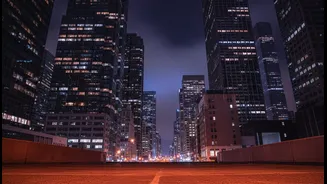
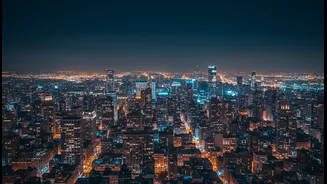
The phenomenon behind sweltering city nights is known as the 'urban heat island' effect. Cities, dense with buildings and roads, consistently record higher temperatures than their rural surroundings. A major reason for this is the material that forms
the backbone of modern urban India: concrete. Unlike natural landscapes with soil and vegetation that cool the air through shade and moisture, our urban jungles are made of materials that absorb and trap enormous amounts of heat. Asphalt, dark roofing, and, most significantly, concrete act like sponges for solar radiation, soaking it up all day long.
The Science of a Concrete Bake
Concrete's ability to retain heat comes down to a property called high thermal mass. Think of it as a 'thermal battery'. Due to its density, concrete can absorb a massive amount of heat energy throughout the day without its own temperature rising dramatically at first. While natural surfaces reflect more sunlight, the dark, dense nature of concrete means it absorbs far more. As the sun beats down, this thermal energy is slowly stored deep within the material. When evening arrives and the air temperature drops, the process reverses. The supercharged concrete begins to release its stored heat, radiating warmth back into the environment long into the night.
The Dangerous Midnight Hours
This continuous, low-level heat creates a 'thermal baseline' that is dangerously elevated. While daytime heat is intense, nighttime is when our bodies are supposed to cool down and recover. Persistently high overnight temperatures prevent this crucial recovery, increasing the risk of heat exhaustion, heatstroke, and cardiovascular stress. This poses a particular threat to vulnerable populations, including the elderly, children, and those with chronic health conditions. The consequences are not just health-related; this trapped heat forces air conditioning units to work harder for longer, driving up energy consumption and contributing to a vicious cycle of further warming.
India's Urban Heat Challenge
In a rapidly urbanising country like India, this is a critical issue. Megacities such as Delhi, Mumbai, and Bengaluru are expanding at a staggering pace, with concrete replacing natural green and blue spaces. This widespread development ensures that the urban heat island effect is not just a localized problem but a city-wide phenomenon, intensifying with each new construction project. Studies show that rampant urbanisation, defined by the spread of concrete and the loss of green cover, is directly linked to rising land surface temperatures across Indian cities, making them less livable and more hazardous during heatwaves.
Paving a Cooler Path Forward
The good news is that we can design our way out of this problem. A growing field of innovation is focused on 'cool pavements' and reflective building materials. These solutions are designed to reflect more sunlight and absorb less heat. Strategies include using lighter-coloured concrete, applying reflective coatings to roads and roofs, and incorporating more green infrastructure like parks and green roofs. Permeable pavements that allow water to evaporate and cool the surface are another promising solution. By making smarter choices about our construction materials, we can begin to lower the thermal baseline of our cities and build a more sustainable and comfortable future.