



Choose Native Plants, Win Easy
The single best trick for a low-effort garden is to use plants that belong here. Native Indian plants are already adapted to our climate, soil, and rainfall. This means they require less water once established, are naturally resistant to local pests,
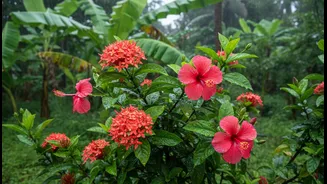
and don't need fussy fertilizers. Think of plants like the flame-like Palash, the fragrant Jamun, or the hardy Hibiscus and Marigold. They've co-evolved with local insects and birds, so they provide the perfect food and shelter. Instead of fighting the environment with delicate imported species, you're working with it. The result is a garden that feels settled and alive because it 'wants to be here'.
Embrace the Balcony or Container Garden
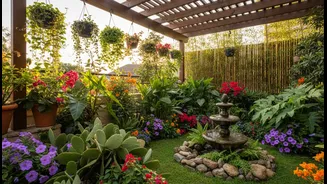
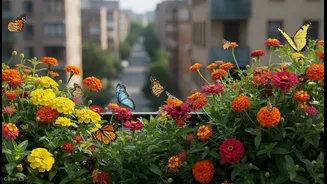
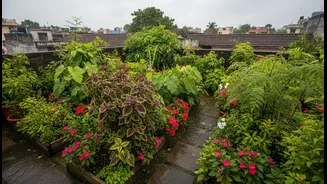
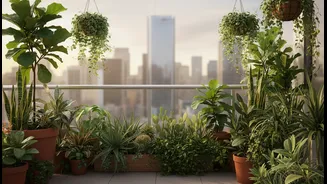
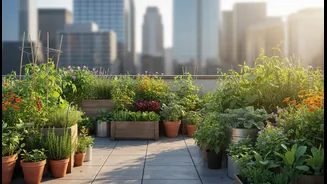
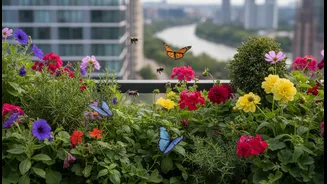
Don't have a sprawling backyard? No problem. For many urban Indians, the easiest garden is a container garden. Growing in pots, grow bags, or railing planters gives you total control and dramatically reduces effort. Weeding is almost non-existent, and you can give each plant the perfect soil it needs. Lightweight plastic or fabric pots are ideal for balconies. You can grow a surprising amount in a small space: herbs like Tulsi and Mint, flowers like dwarf Marigold and Sadabahar (Periwinkle), and even compact vegetables like cherry tomatoes and chillies. It's a perfect, manageable way to start.
Create a Pollinator Paradise
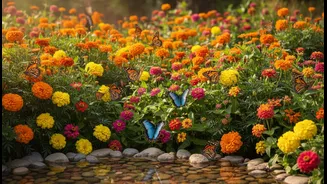
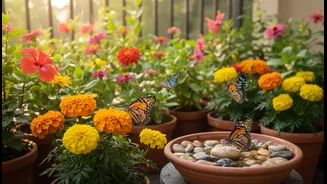
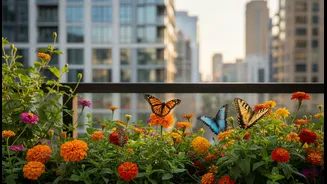
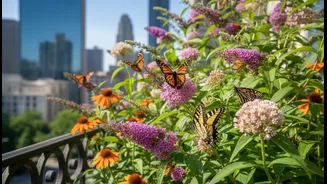
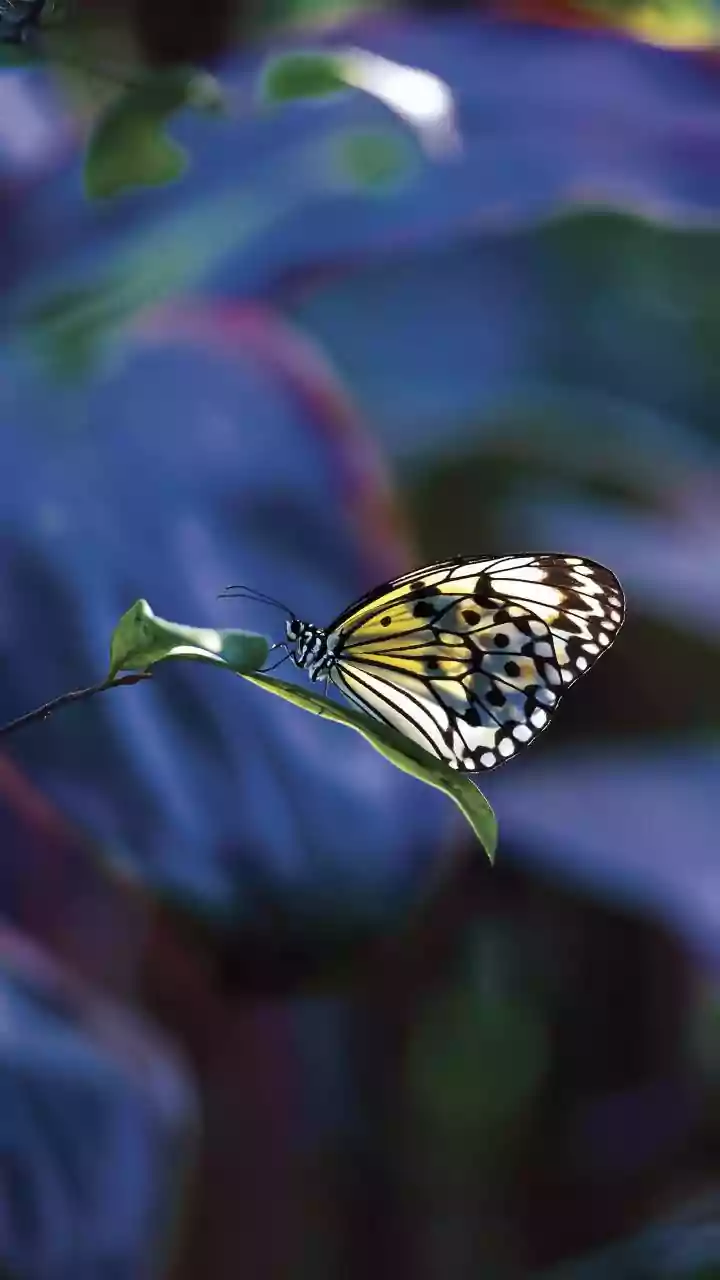
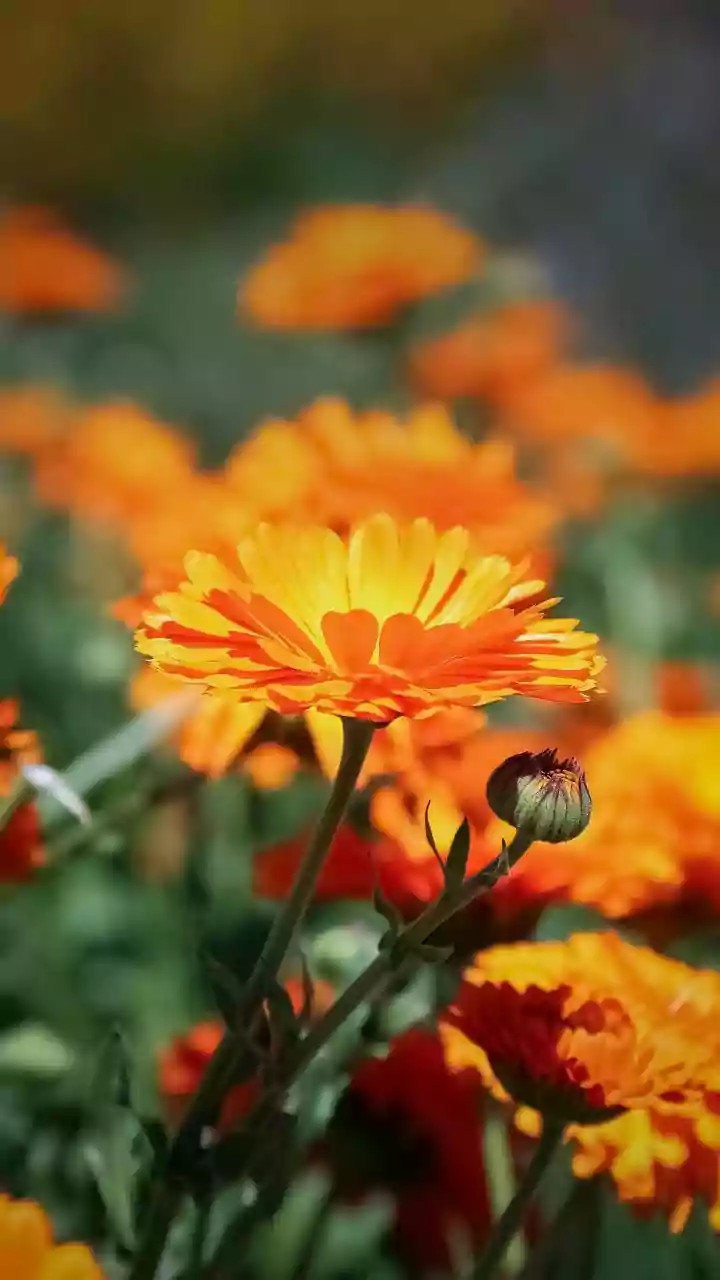
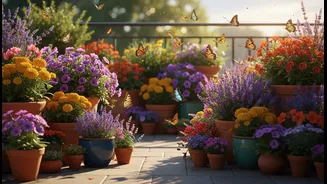
Here's where the 'high nature rewards' really kick in. By choosing the right flowers, you can turn your garden into a bustling cafe for bees, butterflies, and sunbirds. Pollinators are vital for a healthy ecosystem and even improve the yield and quality of your fruits and vegetables. You don't need to do much. Plant flowers in clusters to make them more visible. Species like Lavender, Marigold, Hibiscus, and Zinnia are irresistible to them. Also, provide a simple water source—a shallow dish with pebbles or marbles for insects to land on is perfect. A garden full of pollinators isn't just beautiful; it's a sign of a thriving, healthy environment that you helped create.
Work With Nature, Not Against It
Low-effort gardening is about adopting a new mindset. For instance, stop being so tidy. A little bit of 'wildness' is a huge benefit for nature. Instead of raking up every fallen leaf, let some remain as mulch. This suppresses weeds, retains soil moisture, and provides a habitat for beneficial insects. Avoid chemical pesticides at all costs; they harm the very creatures you want to attract. A healthy garden will attract its own pest control in the form of ladybugs, praying mantises, and birds. By going organic, you create a safe haven for wildlife.
Try the 'No-Dig' Method
For those starting a new garden bed, the 'no-dig' or 'lasagna gardening' method is a revolutionary, back-saving technique. Instead of tilling the soil, you build it up in layers. Start by laying down cardboard or newspaper directly on the ground to smother weeds. Then, add alternating layers of 'green' materials (like kitchen scraps and grass clippings) and 'brown' materials (like dried leaves and straw), topped with a thick layer of compost. You can plant directly into the top compost layer. This method preserves the soil's natural structure, encourages healthy microbial life, retains more moisture, and means far fewer weeds for you to pull.