

More Than Just Saving Water
The most obvious benefit of low-water landscaping, often called xeriscaping, is reduced water consumption. However, the advantages go far beyond a lower utility bill. These gardens are champions of low maintenance; once established, drought-tolerant plants
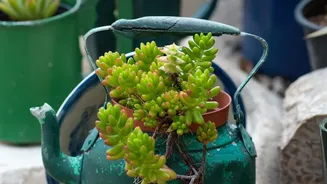
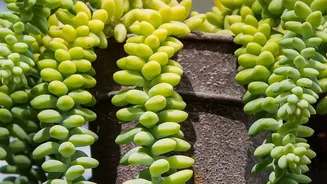
require less pruning, fertilising, and general fuss than their thirsty counterparts. This means you can spend less time working in your garden and more time actually enjoying it. Ecologically, these landscapes provide habitats for local wildlife, including essential pollinators like bees and butterflies. By choosing native plants, you create a garden that is naturally in sync with its surroundings, supporting a healthier local ecosystem. Aesthetically, a low-water garden offers a unique palette of textures, colours, and forms not always found in traditional gardens, from the sculptural shapes of succulents to the soft movement of ornamental grasses.
Core Principles of Smart Garden Design
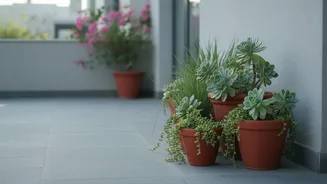
The philosophy behind a successful low-water garden rests on a few key principles. It starts with a smart plan that considers your specific site's sun exposure, slopes, and soil type. Improving your soil with organic matter like compost is crucial, as healthy soil retains moisture more effectively and promotes deep, resilient root systems. Grouping plants with similar water needs together makes irrigation far more efficient and prevents over or under-watering. Speaking of irrigation, a well-designed system like drip irrigation delivers water directly to the plant's roots, minimising loss from evaporation. Finally, reducing large, thirsty lawn areas is a major component. You don't have to eliminate grass entirely, but using it more thoughtfully as a functional accent rather than a default ground cover can dramatically cut down on water use.
Choosing a Resilient Plant Palette
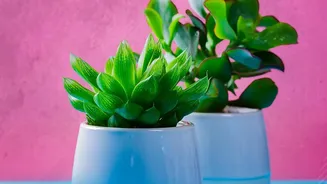
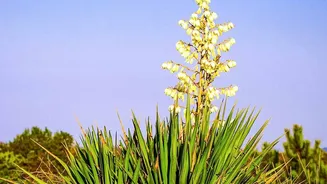
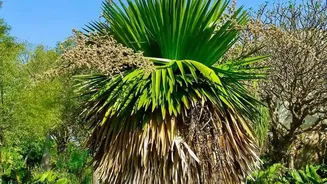
Selecting the right plants is where the creative aspect of low-water gardening truly shines. The goal is to choose species that are naturally adapted to thrive with minimal supplemental watering once they are established. For Indian climates, this can include a wide variety of stunning options. Succulents like Agave and Aloe offer dramatic structure, while flowering plants like Lantana and Bougainvillea provide vibrant, long-lasting colour. Native grasses and hardy perennials such as Gaillardia (Indian Blanket) and Verbena can fill out beds with texture and movement. When designing, think like an artist. Use a mix of heights, forms, and textures to create visual interest. A few bold, sculptural plants can serve as focal points, with softer, lower-growing plants filling in around them. Remember that even drought-tolerant plants need regular watering for their first year or two to establish a deep, strong root system.
Design Techniques for a Lush Look
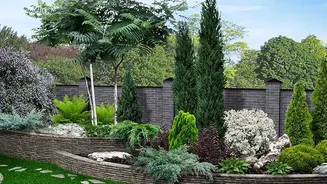
A common misconception about xeriscaping is that it results in a sparse, desert-like yard. In reality, a well-designed low-water garden can feel lush and abundant. The key is to use strategic design elements. Applying a layer of mulch—whether organic like bark chips or inorganic like gravel—is essential. Mulch helps retain soil moisture, keeps roots cool, and suppresses weeds that compete for water. Hardscaping elements like pathways, stone features, and patios can provide structure and reduce the area that needs planting, while also adding to the garden's overall aesthetic appeal. Instead of spacing plants far apart, group them in attractive clusters. This creates a fuller look and can establish a beneficial microclimate where plants shade each other's roots. The result is a garden that feels complete, intentional, and anything but barren.