







An Unexpected, Perfect Pairing
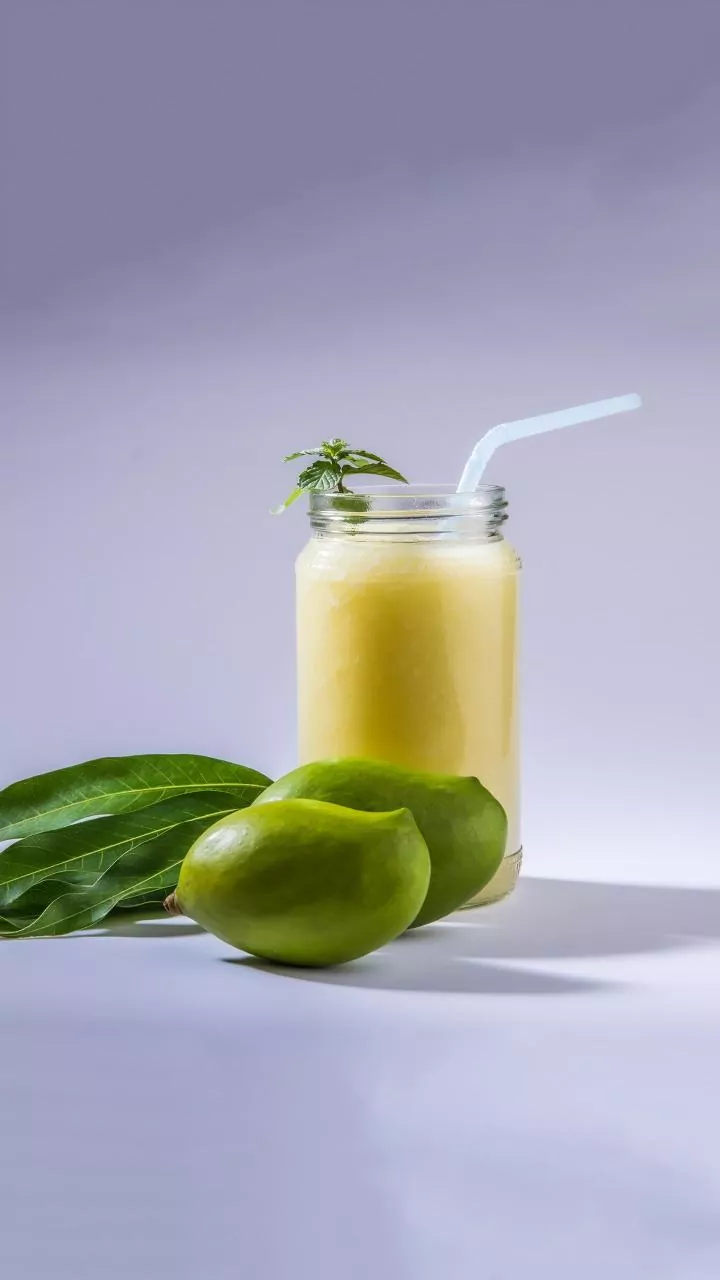
Imagine this: the familiar, honeyed fragrance of a perfectly ripe Dasheri mango, its vibrant saffron pulp delivering a wave of pure, sun-kissed sweetness. Now, picture that flavour mingling not with traditional heavy cream or yogurt, but with the light,
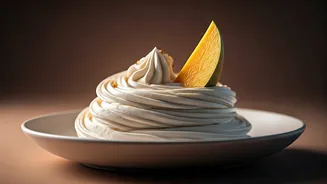
velvety texture of chilled oat cream. This is the combination that’s been popping up on boutique cafe menus and in the feeds of discerning food lovers. It’s a pairing that feels both startlingly new and immediately right. The Dasheri, known for its fibreless pulp and intensely sweet, aromatic profile, finds a surprisingly complementary partner in oat cream. Unlike dairy, which can sometimes mute delicate fruit flavours with its richness, oat cream has a subtle, almost nutty character that lets the mango’s personality shine through. It’s a modern culinary dialogue between tradition and innovation, served in a chilled bowl.
Why Oat Cream? The Plant-Based Shift
The rise of this trend isn't just about flavour; it's about a larger cultural shift. Oat milk and its derivatives, like oat cream, have become staples in the global wellness movement, and India is no exception. A growing number of consumers are seeking plant-based and dairy-free alternatives for health, ethical, or environmental reasons. For a country with a significant lactose-intolerant population, options like oat cream are a welcome innovation. But this isn't simply a case of substitution. Chefs and home cooks are discovering that plant-based creams have their own unique culinary advantages. Oat cream, in particular, offers a smooth, luxurious mouthfeel without the heavy fat content of dairy cream. This lightness is key to its success with mangoes. It coats the palate gently, enhancing the fruit's natural sweetness rather than competing with it, resulting in a dessert that feels refreshing and indulgent at the same time.
Deconstructing the Flavour Symphony
The magic of the Dasheri and oat cream combination lies in its balance. The Dasheri, hailing from the orchards of Uttar Pradesh, is less about tartness and more about a deep, perfumed sweetness. When blended or served with a dollop of cold oat cream, the experience is multi-layered. First, you get the cooling sensation of the cream, followed by its mild, earthy undertones. Then, the glorious, unmistakable flavour of the Dasheri takes over—a pure, unadulterated taste of summer. The textures work in harmony, too. The silkiness of the mango pulp merges beautifully with the creamy, fluid consistency of the oat cream. Some preparations add a hint of cardamom or a sprinkle of saffron for a nod to tradition, while others might add toasted nuts or seeds for a textural crunch. It’s a simple composition, but one that proves a dessert doesn’t need a dozen ingredients to be sophisticated and deeply satisfying.
From Niche Trend to Your Kitchen
While you might spot this creation in an upscale cafe in Delhi or Mumbai, its beauty lies in its accessibility. This isn't a trend that requires complex techniques or professional equipment. It’s something anyone can recreate at home, making it the perfect way to elevate your summer mango ritual. To try it yourself, the formula is simple. Start with the best possible fruit: fragrant, ripe Dasheri mangoes, chilled and pulped. For the cream, choose a high-quality, unsweetened oat cream—the kind designed for cooking or desserts. You can simply pour the chilled cream over a bowl of chopped mango, or blend the two together for a luscious, mousse-like consistency. For a thicker, ice cream-like treat, blend and freeze the mixture for a few hours. The key is to let the two hero ingredients do the talking. It’s a five-minute dessert that tastes like it came from a gourmet kitchen, embodying the spirit of modern Indian cooking: simple, ingredient-focused, and unapologetically delicious.