





A New Era of Weather Alerts
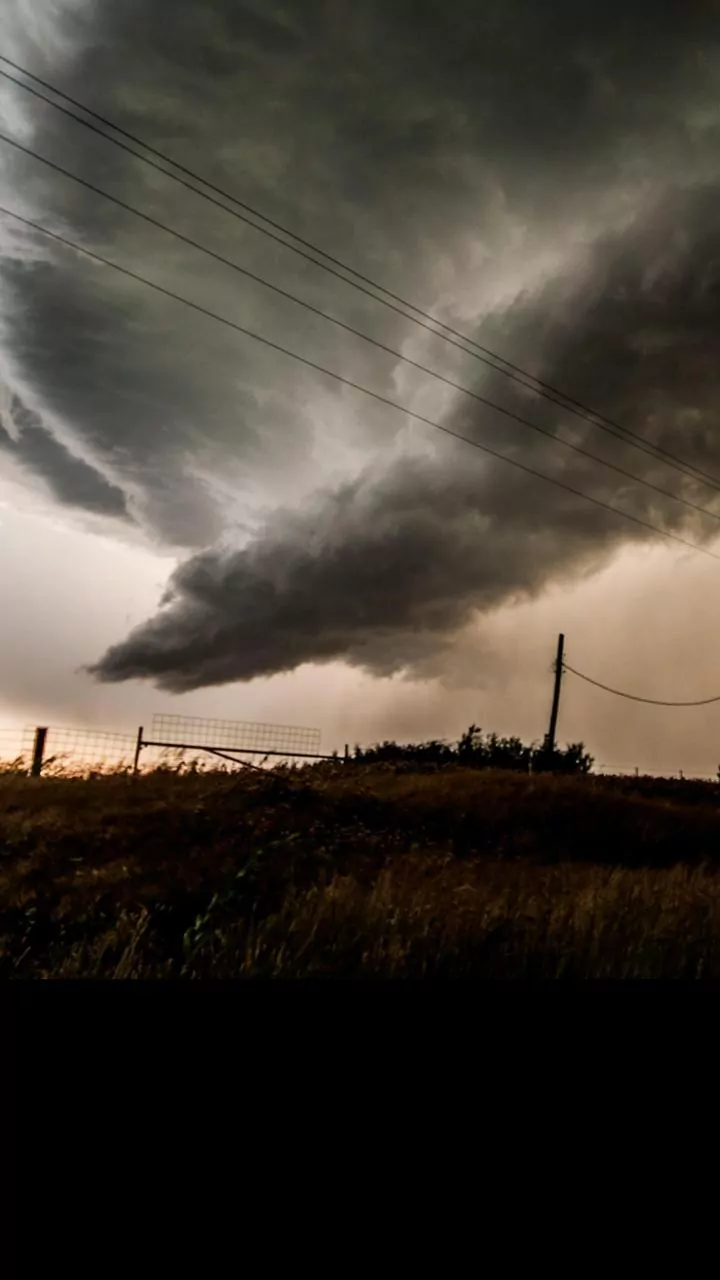
For years, monsoon forecasts were broad, covering large sub-divisions. But the IMD has significantly upgraded its capabilities. It now issues specific, colour-coded warnings for individual districts, along with 'nowcasts' for intense weather events expected
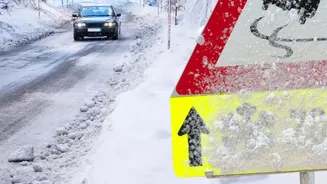
within hours. A 'Yellow' alert advises citizens to 'Be Aware', an 'Orange' alert warns them to 'Be Prepared' for disruptions in transport and power, and a 'Red' alert is a 'Take Action' signal for extremely severe weather that poses a threat to life and property. This granular detail, which can pinpoint the likelihood of 200 mm of rain in a specific 24-hour period, changes the game from a generalised advisory to an actionable intelligence report. It tells us not just that it will rain, but where the breaking point is likely to be.
The Railway Station Reality
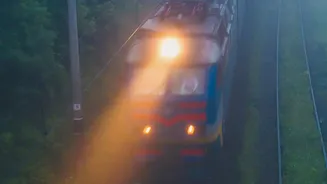
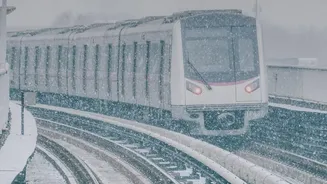
When an 'Orange' or 'Red' alert is issued for a district, it's a direct warning for its critical infrastructure. Yet, time and again, our railway stations prove to be dangerously unprepared. Recent monsoons have seen major stations across the country grappling with severe waterlogging, not just in the surrounding areas but on the platforms and tracks themselves. Passengers are often seen wading through ankle-deep water, while leaking roofs create treacherous, slippery conditions. Train services are frequently suspended or delayed, leaving thousands stranded. While railway authorities often blame choked municipal drains for the backflow of water onto tracks, the recurring nature of this chaos suggests a systemic failure in station design and maintenance. The IMD's alerts provide a clear window to prepare, yet the response remains overwhelmingly reactive.
Highways Under Water
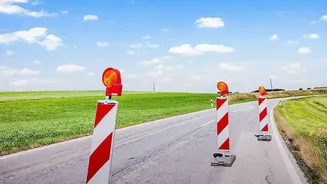
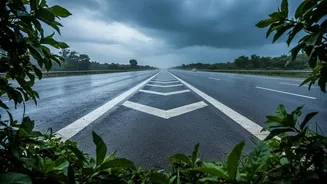
The nation's highways, the arteries of our economy, are just as vulnerable. During heavy downpours, stretches of crucial national highways frequently become impassable. Waterlogging turns multi-lane expressways into parking lots, with traffic stalled for kilometres. The issues are manifold: inadequate drainage systems unable to cope with intense rainfall, clogged culverts, and a lack of real-time traffic management during weather emergencies. In hilly regions, the danger is even more acute, with an increased risk of landslides blocking vital routes. While the National Highways Authority of India (NHAI) states it conducts pre-monsoon preparedness surveys and deploys emergency teams, the on-ground reality for commuters during a heavy downpour is often one of gridlock and helplessness. The precision of an IMD alert for a specific district should be the trigger for pre-emptive action, not just a forecast of the inevitable jam.
From Reactive to Proactive
The IMD's advanced warning system is a powerful tool that is currently being underutilised. These alerts should serve as a direct mandate for civic bodies, Indian Railways, and the NHAI to move from a reactive to a proactive stance. An 'Orange' alert shouldn't just be a notification for the public; it should trigger a standard operating procedure for infrastructure managers. This could include deploying de-watering pumps to known waterlogging hotspots before the rain intensifies, placing traffic police at critical intersections to manage diversions, and clearing drains and culverts on highways identified within the alert zone. Infrastructure planning itself needs to evolve, incorporating modern meteorological data to build resilience rather than relying on historical averages that are becoming increasingly obsolete. The goal should be to ensure that a forecast of heavy rain does not automatically translate to a day of civic collapse.