



Embrace the Awkward Angle
Every home has them: that odd corner in the living room, the empty space under the stairs, or a wide hallway that feels like wasted space. The awkward-corner trend is about transforming these underutilized spots into functional, intentional zones. Instead
of seeing them as a design challenge, this approach views them as an opportunity. By carving out a workspace in an existing nook, you can establish better work-life boundaries by containing work to one specific area, all while making your home feel more complete and thoughtfully designed.
Find Your Working Surface
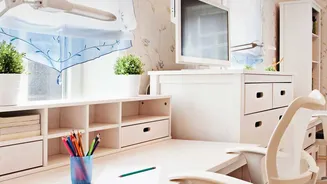
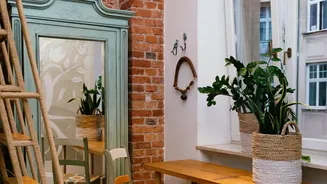
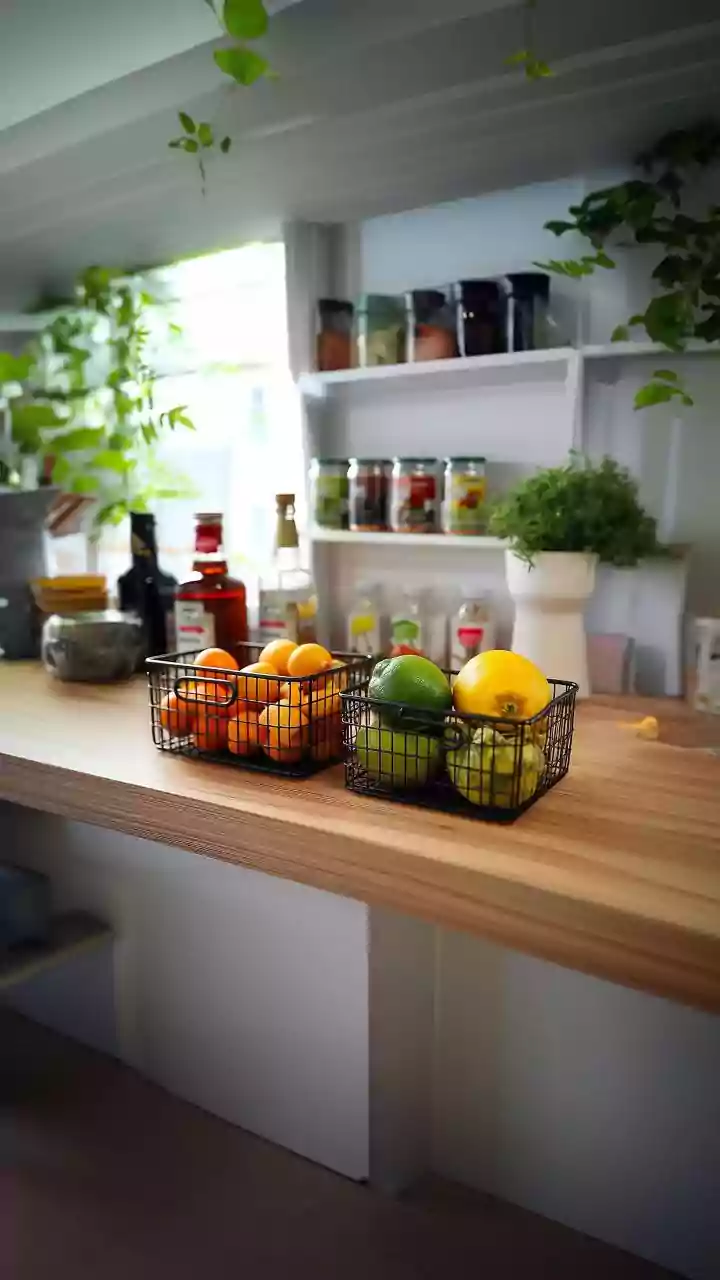
The key to a 'no-furniture' workspace is getting creative with your desk surface. You don't need a traditional desk to be productive. Consider installing a simple floating shelf or two at desk height. A sturdy, deep plank of wood can serve as a minimalist yet highly effective desk. In some homes, a deep window sill or the top of a low, built-in cabinet can be repurposed. The goal is to create a functional surface that integrates seamlessly into the room's existing structure, rather than adding another piece of bulky furniture.
Think Vertically for Storage
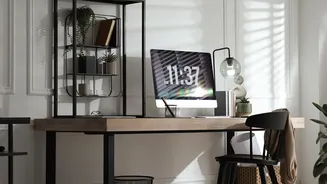
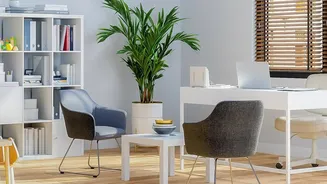
Clutter is the biggest enemy of a small workspace. When you can't build out, you have to build up. Vertical storage is your best friend in a corner office. Install floating shelves above your work surface for books, files, and decor. A pegboard mounted on the wall can hold an array of small containers and organizers for pens, scissors, and other supplies. This keeps your work surface clear and your essentials within easy reach. The idea is to maximize wall space for storage, which reduces the overall footprint of your work zone.
Let There Be (Good) Light
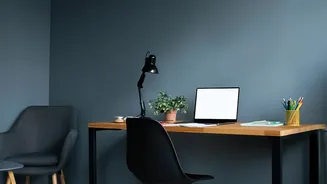
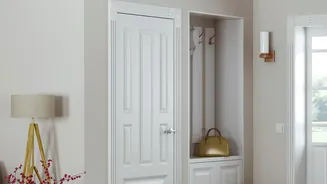
A dark corner can be a strain on the eyes and a drain on productivity. Good lighting is non-negotiable. If your corner doesn't get much natural light, you'll need to add some. Instead of a bulky desk lamp that eats up surface area, consider a wall-mounted sconce that directs light downwards. Another great option is a slim, elegant floor lamp that can be tucked right into the corner. You can also use under-shelf LED strip lighting to illuminate your entire work surface without creating clutter. Proper lighting not only makes the space more functional but also makes it feel more inviting.
Make It Look Intentional
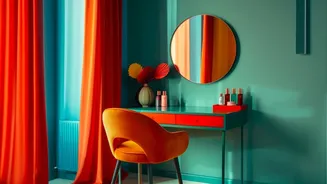
The final step is to make your new workspace look like it belongs. You don't want it to feel like a temporary afterthought. Integrate it by using colors and materials that are already present in the room. If your living room has accents of a certain wood tone, try to match it with your floating shelf desk. Add a small plant, a piece of art on the wall, or a stylish mug for your pens. These small decorative touches will tie the corner nook into the rest of your decor, making it a cohesive and stylish feature of the room, not just a functional add-on.