



A Computer in the Cosmos
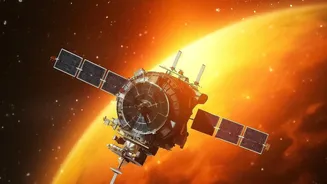
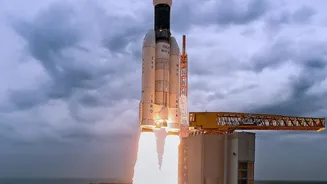
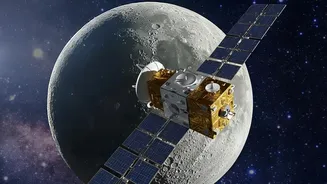
On October 1, a satellite named MOI-1A, developed by Hyderabad-based startup TakeMe2Space, is scheduled to launch aboard a SpaceX Falcon 9 rocket. Described as India's first orbital computing satellite, this sub-50 kg spacecraft is more than just an eye
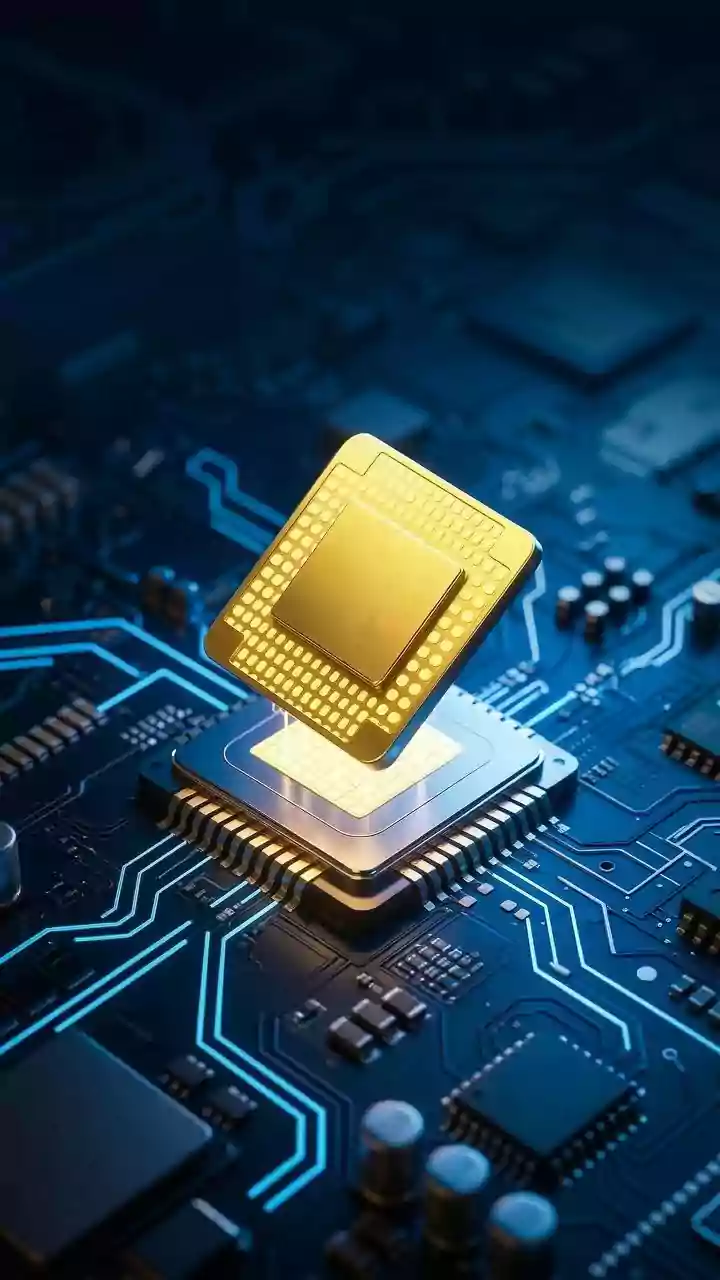
in the sky; it's a brain in orbit. Unlike traditional satellites that capture vast amounts of raw data and beam it all back to Earth for analysis, MOI-1A is designed to do the thinking on the spot. Equipped with powerful Nvidia Orin NX processors for edge computing, it can run artificial intelligence models directly in space. This allows it to analyze information as it's collected, a fundamental shift in how satellite data is handled.
Solving the Downlink Dilemma
Modern satellites are incredibly powerful, capable of generating petabytes of data from high-resolution imagery. However, getting that data back to Earth creates a massive bottleneck. Transmitting huge files is slow, requires immense bandwidth, and is expensive. The current process involves capturing data, waiting for the satellite to pass over a ground station, downloading the raw information, and then processing it. This entire sequence can take hours or even days. Orbital computing, or edge computing in space, flips this model on its head. By analyzing data right at the source, a satellite like MOI-1A can identify what's important—be it signs of illegal deforestation, changes in crop health, or vessel movements—and send back only the crucial insights. This slashes response times from hours to minutes or even seconds.
India's Strategic Leap
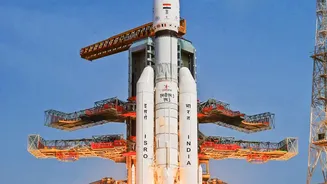
The launch of MOI-1A is a significant milestone for India's burgeoning private space sector and aligns with the national strategy of developing next-generation space capabilities. While this mission is led by a startup, the Indian Space Research Organisation (ISRO) has its own ambitious plans for AI in space. ISRO has outlined a vision to launch a fleet of AI-powered satellites that can communicate with each other, creating an intelligent, layered network from low-Earth orbit to geostationary orbit. This capability is seen as critical for national security, particularly for border surveillance, and for enhancing disaster management response. By processing data in orbit, India can achieve faster, more actionable intelligence for both civilian and defence purposes, marking a crucial step towards data autonomy in space.
From Raw Data to Real-Time Action
The practical applications of on-orbit AI are vast. For farmers, it could mean near-instant alerts about crop disease or irrigation needs. For disaster response teams, it could deliver immediate analysis of flooded areas or wildfire spread without waiting for bulky image downloads. TakeMe2Space has already signed up 23 customers for this mission, spanning industries from agriculture and mining to insurance and supply chain management. These clients can upload their own custom AI models to the satellite to look for specific events or objects. The value proposition is clear: customers pay a premium for in-orbit computing but save significantly on the costs of downloading and processing raw data on the ground. The startup also envisions future services like orbital cold storage, offering a secure, off-planet backup for critical data for the finance and defence sectors.
The Road Ahead
MOI-1A represents a crucial test. Successfully operating sophisticated AI processors in the harsh environment of space—with its radiation, temperature extremes, and power constraints—is a major technical challenge. This mission follows an earlier technology demonstrator in late 2024 and replaces a satellite lost in a launch vehicle failure, showing the resilience of the startup. A success would pave the way for larger, more powerful orbital computing networks. TakeMe2Space plans to develop bigger, networked satellites starting in 2027 to scale up its capacity. As India continues to foster its private space ecosystem, missions like this are not just commercial ventures; they are foundational steps in building an intelligent, autonomous, and commercially vibrant space infrastructure for the future.