



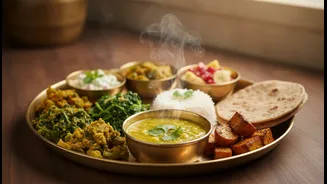



The Philosophy of Shravan Eating
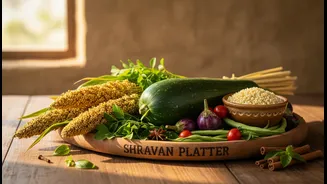
The dietary practices during Shravan are rooted in the concept of a 'Sattvic' diet. This ancient philosophy encourages eating foods that are pure, clean, and promote a calm, clear mind. The goal is to consume food that is light and easy to digest, which
is believed to aid in spiritual focus and devotion. During the monsoon season, when Shravan typically falls, Ayurveda suggests our digestive fire (agni) is weaker. A Sattvic diet, free from heavy, spicy, and stimulating ingredients, aligns perfectly with this. It means avoiding items like onions, garlic, non-vegetarian food, most grains, and regular table salt. Instead, the emphasis shifts to fresh fruits, select vegetables, dairy, and special 'vrat' or fasting flours.
Embrace Freshness with Fruits and Hydration
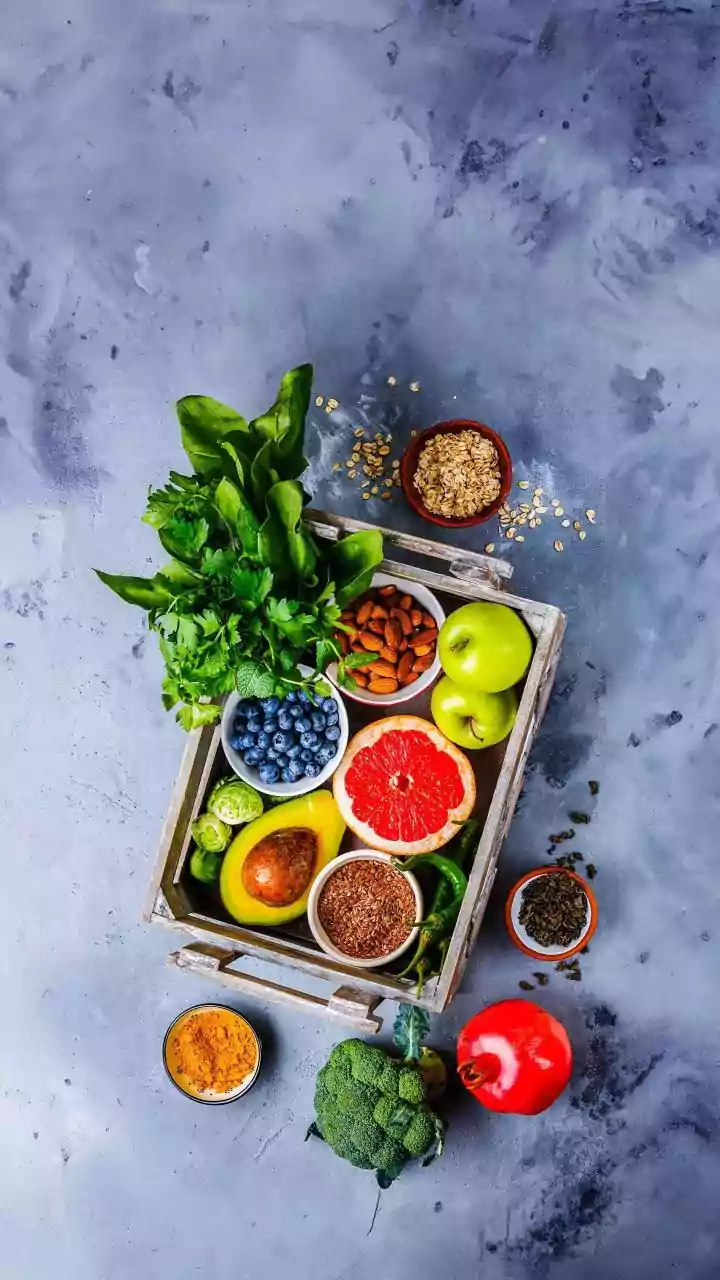
Starting your Shravan morning should be an act of gentle nourishment. Fresh, seasonal fruits are a cornerstone of the fasting diet. They are packed with essential vitamins, natural sugars for energy, and keep you hydrated. Think of a simple bowl of sliced bananas and apples, or a vibrant mix of pomegranate seeds and papaya. Dry fruits and nuts like almonds, walnuts, and dates are also excellent to have in the morning, providing sustained energy and healthy fats. Hydration is equally important. Instead of starting your day with caffeinated drinks, opt for water, coconut water, or a glass of milk or buttermilk. These choices are cooling, cleansing, and perfectly in line with the principle of purity.
Simple Grains for Lasting Satisfaction
While regular grains like wheat and rice are avoided, Shravan fasting opens the door to a variety of nutritious alternatives. These special 'vrat' flours and grains are key to creating meals that provide lasting satisfaction. Sabudana (tapioca pearls) is perhaps the most beloved, known for providing a quick source of carbohydrates and energy. Flours like Kuttu (buckwheat), Rajgira (amaranth), and Singhara (water chestnut) are also popular. They are gluten-free and packed with protein and fibre, helping you feel full and energized for longer. From these, you can prepare simple dishes like a cheela (a thin pancake) or a comforting porridge to start your day on a wholesome note.
Wholesome and Simple Breakfast Ideas
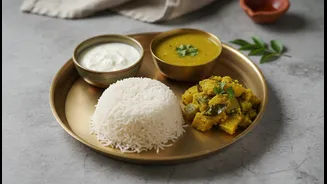
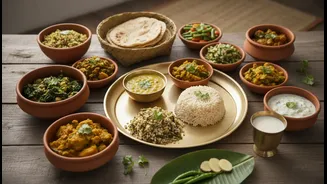
A Shravan breakfast can be both delicious and compliant with fasting rules. One classic is Sabudana Khichdi, a simple toss of soaked tapioca pearls with peanuts, potatoes, and mild spices using rock salt (sendha namak). Another great option is a Kuttu or Rajgira cheela, which can be made savoury with grated bottle gourd and spices. For something even quicker, a fruit chaat sprinkled with rock salt and pepper is refreshing. A bowl of creamy curd or paneer, perhaps mixed with some fruits and nuts, offers a protein-rich start. Even roasted makhana (fox nuts) with a glass of milk can serve as a light yet filling morning meal.
The Art of Mindful Preparation
The satisfaction derived from Shravan meals comes not just from the food itself, but from the intention behind its preparation. Cooking during this period is seen as a form of meditation. The focus is on using fresh ingredients and preparing meals with a calm and positive mindset. The simplicity of the recipes allows one to connect with the food being made. It's about finding joy in basic flavours and textures, and appreciating the nourishment that nature provides. This mindful approach transforms the act of eating from a mundane necessity into a spiritual practice, fulfilling the true purpose of the Shravan observance.