






The Soul of a Rainy Day
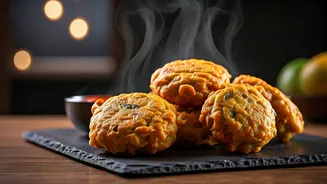
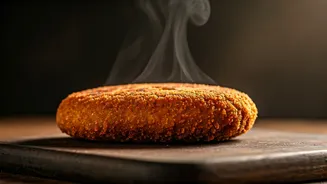
For generations, the pakora has been India’s quintessential monsoon snack. There's a simple, comforting logic to it: as the weather cools, a warm, deep-fried treat offers instant comfort. The sizzle of batter hitting hot oil is a sound that promises pure
joy, a perfect counterpoint to the pitter-patter of rain. Paired with a steaming cup of masala chai, it's more than just a snack; it's a cherished seasonal ritual. But achieving that perfect, street-style crispness at home can be tricky, especially with the high humidity that often leads to soggy results. The key lies in understanding the science of the batter and the art of frying.
Building the Perfect Batter
The foundation of any great pakora is the batter. The goal is a mixture that's thick enough to coat the vegetables but not so heavy that it becomes dense and doughy. [8] The primary ingredient is besan (gram flour), but the real secret to a lasting crunch is adding rice flour or cornstarch. [5, 7] A good ratio to follow is three parts besan to one part rice flour. This combination creates a lighter coating that stays crispy longer. When adding water, do so sparingly. [3] The vegetables will release their own moisture, so start with a very thick paste and only add water a tablespoon at a time. [10] Some pros even suggest using cold water, as it can help create a lighter, airier texture when it hits the hot oil. [2] Another pro-tip is to add a tablespoon of hot oil to the batter just before frying; this helps in making the pakoras extra crisp. [9, 21]
Choosing and Prepping Your Vegetables
While onion and potato are classic choices, almost any vegetable can be turned into a delicious pakora. [6] Spinach, cauliflower, capsicum, and carrots are all excellent options. [4, 7] The key is in the preparation. Slice all your vegetables thinly and uniformly to ensure they cook through at the same rate as the batter. [20] Crucially, your vegetables must be dry. [8] Moisture is the enemy of crispiness. [23] After washing your vegetables, pat them thoroughly dry with a kitchen towel. For vegetables with high water content like onions or zucchini, you can even sprinkle them with salt and let them sit for ten minutes to draw out excess moisture before patting them dry again. [3]
The Ultimate Crispy Veg Pakora Recipe
This recipe brings all the elements together for pakoras that are crunchy on the outside and flavourful on the inside. Ingredients: - 1 cup besan (gram flour) - 1/3 cup rice flour - 1 large onion, thinly sliced - 1 medium potato, peeled and cut into thin matchsticks - 1 cup chopped spinach or other mixed vegetables (like grated carrot or thinly sliced capsicum) [4, 7] - 1-2 green chillies, finely chopped - 1 teaspoon grated ginger - 1/2 teaspoon ajwain (carom seeds) [7] - 1/2 teaspoon turmeric powder - 1/2 teaspoon red chilli powder - Salt to taste - A pinch of baking soda (optional, for extra fluffiness) [6, 17] - Cold water, as needed - Oil, for deep frying Instructions: 1. In a large bowl, combine the sliced onion, potato, spinach, green chillies, and ginger. Mix well. 2. Add the besan, rice flour, ajwain, turmeric, chilli powder, and salt. Toss everything together to coat the vegetables in the dry flour mix. Let this sit for 10-15 minutes, allowing the vegetables to release their natural moisture. [6] 3. Check the mixture. It should start to feel slightly damp. Now, add cold water, one tablespoon at a time, mixing until you have a very thick batter that just binds the vegetables. The mixture should not be runny. [2, 12] 4. Heat oil in a deep pan or kadai over medium heat. The ideal temperature is between 160-180°C. To test, drop a small piece of batter into the oil; it should sizzle and rise to the top steadily. [10] 5. Just before frying, add a pinch of baking soda to the batter (if using) and a tablespoon of hot oil from the pan. Mix gently. 6. Carefully drop spoonfuls of the mixture into the hot oil. Don't shape them into perfect balls; irregular, craggy shapes will result in crispier edges. [2] Do not overcrowd the pan, as this will lower the oil temperature and lead to soggy pakoras. [8] Fry in batches. 7. Fry for 4-5 minutes, turning occasionally, until the pakoras are golden brown and crisp on all sides. 8. Remove with a slotted spoon and drain on a wire rack to allow air circulation, which prevents them from becoming soggy. [16]
Serving and Enjoying Your Creation
Pakoras are best enjoyed immediately, while they are still hot and at their peak crispness. Serve them with a side of tangy green chutney, sweet tamarind chutney, or simple tomato ketchup. [16] Of course, no monsoon pakora experience is complete without a freshly brewed cup of hot tea or coffee. The combination of the warm, spicy fritter with a comforting hot beverage is the ultimate celebration of the rainy season. So gather your ingredients, put on some music, and transform a grey afternoon into a delicious and memorable experience.