






We’ve all been told to eat our leafy greens for strong bones. They are packed with nutrients, but when it comes to calcium, the story is more complex. Relying only on greens like spinach might mean you are getting less than you think.
The Green Nutritional Powerhouses
Leafy green vegetables
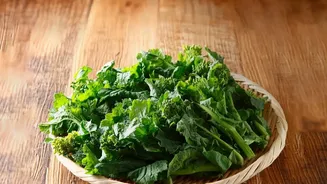
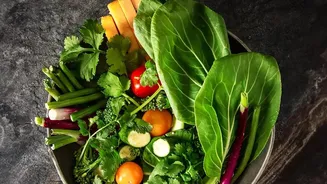
are cornerstones of a healthy diet, and for good reason. From spinach (palak) and fenugreek (methi) to amaranth (chaulai) and kale, they are bursting with vitamins, minerals, and fibre. They are celebrated for their roles in everything from boosting immunity to improving digestion. When looking at nutritional charts, many greens, especially spinach, appear to be very high in calcium. For example, a cup of cooked spinach contains over 240 mg of calcium. Seeing this number, it’s easy to assume that a daily serving of palak paneer or a green smoothie is ticking your calcium box. However, the amount of a nutrient listed on a label is not always the same as the amount your body can actually use.
The Oxalate Obstacle
The main issue lies with a naturally occurring compound called oxalate, or oxalic acid. This compound is found in many plants, but is especially high in certain leafy greens like spinach and beet greens. Oxalate binds to minerals, most notably calcium, in the digestive tract. When calcium is bound to oxalate, it forms calcium oxalate, a compound that your body cannot easily absorb. As a result, even though a food might be rich in calcium, a large portion of it may simply pass through your system unused. For spinach, the absorption rate is shockingly low; only about 5% of its calcium is actually bioavailable, or usable by the body. This means that from that cup of cooked spinach with 240 mg of calcium, you might only absorb about 12 mg.
Does Cooking Make a Difference?
Cooking does help, but it's not a complete solution. Methods like boiling or steaming can reduce the oxalate content of leafy greens, especially if you discard the cooking water. This makes more of the calcium available than if you were to eat the greens raw. Cooking also concentrates the greens, which is why a cup of cooked spinach has far more calcium than a cup of raw spinach (around 245 mg vs 30 mg). However, even with cooking, high-oxalate greens like spinach still have a significantly lower calcium bioavailability compared to other foods. So while cooking is beneficial, it doesn't turn spinach into a primary calcium source. It's better to think of these greens as suppliers of other vital nutrients like Vitamin K, iron, and folate, with any absorbed calcium being a small bonus.
Building a Diverse Calcium Portfolio
The key takeaway is not to stop eating leafy greens, but to stop relying on them as your main source of calcium. For strong bones and overall health, you need a diverse team of calcium-rich foods. The Recommended Dietary Allowance (RDA) for adults in India is generally between 800–1000 mg per day, a target that is difficult to meet from one food group alone. In fact, studies show the average calcium intake in India is often only about half of what's recommended. Diversifying your diet ensures you get calcium from sources with higher bioavailability and provides a wider range of supporting nutrients, like Vitamin D, which is crucial for calcium absorption.
Your Calcium All_Stars
To truly meet your daily needs, it’s essential to include a variety of other calcium–rich foods that are readily available in India. Dairy products like milk, curd (yoghurt), and paneer are excellent, highly bioavailable sources. For those who are lactose intolerant or follow a plant–based diet, there are fantastic alternatives. Ragi (finger millet) is a nutritional superstar, containing about $344$ mg of calcium per $100$ grams. Sesame seeds (til) are another powerhouse, as are almonds and soybeans. Legumes like chickpeas (chana) and kidney beans (rajma) also contribute to your daily total. Among greens, choose low–oxalate options like kale, bok choy, and moringa (drumstick leaves) more often, as your body can absorb a much higher percentage of their calcium.