



The Allure of the Forest's Apple
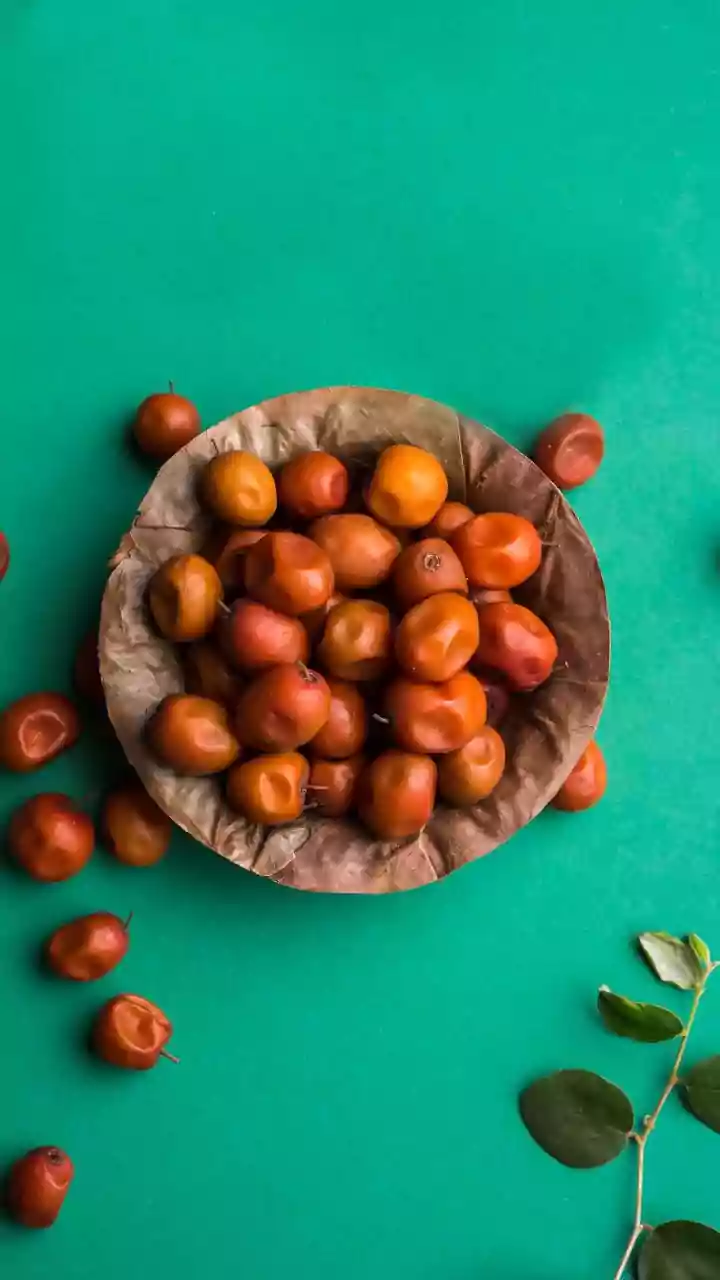
In the arid, rugged landscape of Karauli's Dang forest, a small, hardy fruit known as the wild 'ber' or 'jharber' comes to life each winter. Scientifically known as Ziziphus nummularia, this shrub is a lifeline for the region. It grows without cultivation,
irrigation, or fertilisers, a testament to its resilience. The fruit, with its distinct sweet and sour taste, is not just a seasonal delicacy but a cornerstone of the local culture and economy. For generations, communities have harvested these berries, which are deeply embedded in folklore, most notably in tales of Mata Shabari's offering to Lord Ram. This cultural significance, combined with its natural abundance, has elevated the wild ber from a simple fruit to a symbol of the region's natural heritage.
Myth: A Natural 'Cure' for Modern Ailments
The popularity of the Karauli wild ber has been amplified by claims that it can cure a range of diseases. This narrative often circulates in local markets and online, suggesting the fruit is a remedy for everything from common colds to more serious conditions. In traditional systems of medicine like Ayurveda, various parts of the Ziziphus nummularia plant have been used to treat ailments such as diarrhoea, fever, and inflammation. The fruit is rich in Vitamin C, fibre, and antioxidants, all of which contribute to general health. These legitimate nutritional benefits, however, have been dangerously conflated with the idea of the berry being a 'cure', leading some to believe it can replace conventional medical treatments.
Reality: The Difference Between Nutrition and Cure
While the Karauli wild beri is nutritionally dense, there is no scientific evidence to support the claim that it is a 'cure' for any disease. Health experts and scientists draw a clear line between foods that support health and substances that cure illness. Wild fruits, in general, contain beneficial compounds like polyphenols and antioxidants which can help protect the body against cellular damage. Some preclinical studies on Ziziphus nummularia extracts have shown potential anti-inflammatory, antioxidant, and even antidiabetic properties in lab settings or animal models. However, these are preliminary findings, and they do not translate to a proven cure in humans. Eating the berry can be part of a healthy diet, but it cannot and should not be relied upon to treat medical conditions.
The Dangers of Misinformation
The promotion of any food as a 'cure' is not only misleading but also poses significant public health risks. When people choose unproven remedies over evidence-based medical care, they risk delaying proper diagnosis and treatment, which can have severe, sometimes fatal, consequences. Many wild berries can even be toxic if misidentified or consumed in large quantities. The narrative around the Karauli wild ber risks overshadowing its genuine value as a nutritious, locally significant food source. Experts emphasize that while traditional knowledge and natural products play an important role in wellness, they are not a substitute for professional medical advice and treatment. The belief in a miracle cure can be a powerful, and dangerous, form of misinformation.