

The Allure of the Untouched
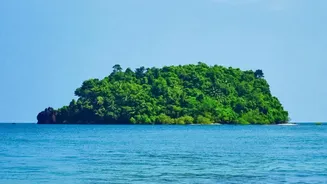
In an age of over-tourism, the appeal of a destination that remains largely untouched is immense. For a generation that values unique experiences over crowded hotspots, Lakshadweep offers a rare glimpse into an unspoiled paradise. The archipelago consists
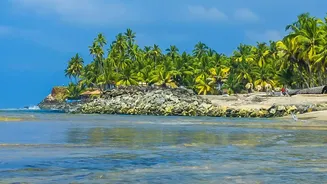
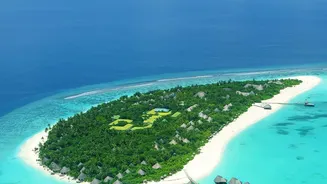
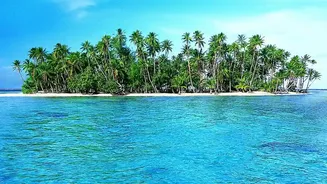
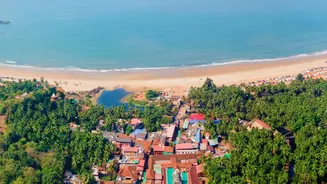
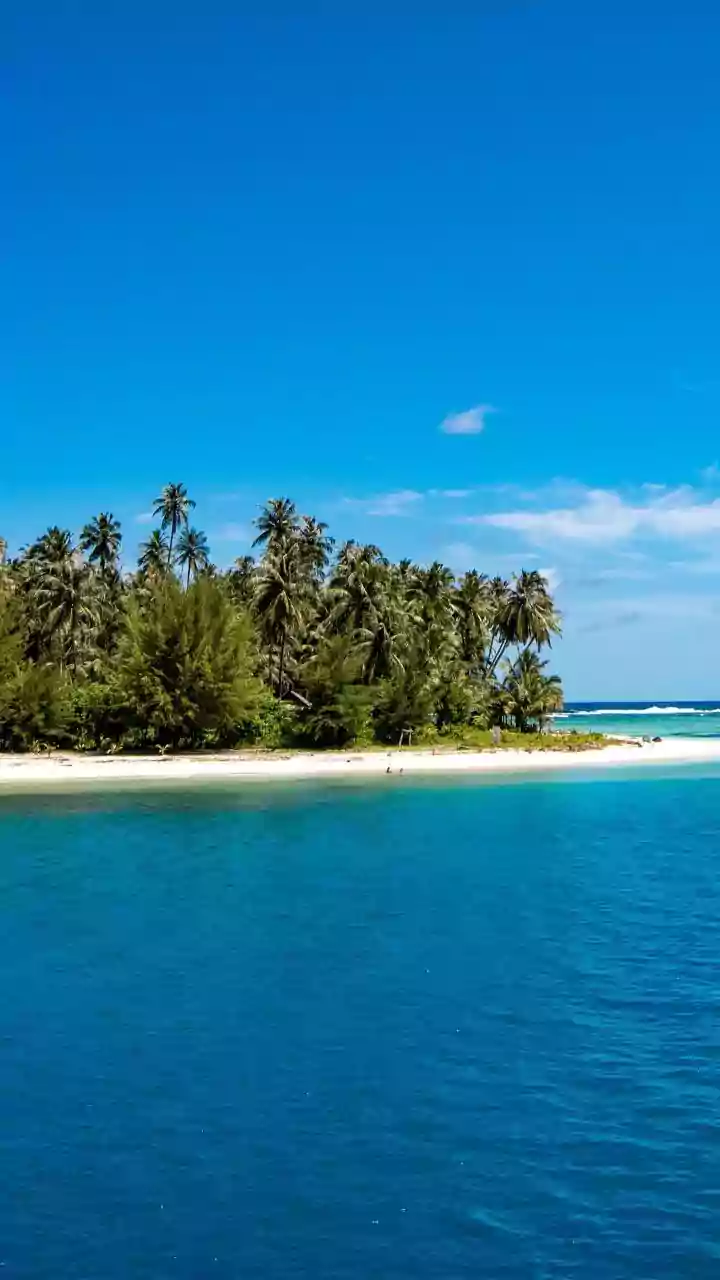
of 36 islands, but only a handful are open to tourists, ensuring that the beaches remain pristine and the lagoons crystal-clear. This exclusivity is a significant draw. Unlike more commercialized coastal towns, Lakshadweep provides a sense of discovery and serenity. Young travellers are increasingly seeking quiet, clean beaches and the feeling of being in a remote, beautiful location, a promise that these coral islands deliver in abundance. The visual appeal is undeniable, with silver sands and turquoise waters creating a picture-perfect setting for relaxation and digital detox.
Sustainability as the New Luxury
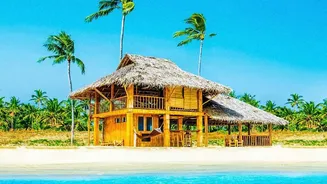
The term 'eco-resort' is more than just a buzzword in Lakshadweep; it's a core principle of its tourism model. The administration's focus on sustainable practices—from limiting development to promoting community-involved tourism—resonates deeply with environmentally conscious young travellers. Resorts on the islands are increasingly adopting eco-friendly initiatives like solar power, rainwater harvesting, and robust waste management systems. This commitment ensures that tourism doesn't come at the cost of the fragile coral ecosystem. For many young people, choosing a vacation spot is also a statement of their values. Opting for a destination that prioritizes ecological preservation over mass commercialism allows them to enjoy a guilt-free holiday, knowing their presence supports a sustainable model.
The Perfect Post-Monsoon Window
Timing is everything, and late autumn in Lakshadweep is idyllic. The period from October to mid-May is considered the best time to visit, as the heavy monsoon rains have passed, leaving behind calm seas and clear, sunny skies. Specifically, the shoulder season of October and November offers a sweet spot: the weather is beautiful, but the peak tourist rush of January and February has yet to begin. This means fewer crowds and a more peaceful experience. The sea during this time is exceptionally calm and clear, making it perfect for the water activities that are central to the Lakshadweep experience. The pleasant temperatures, typically ranging from 25°C to 30°C, are ideal for beach lounging and exploration without the intense heat of summer.
Adventure Meets Tranquility
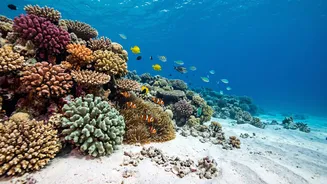
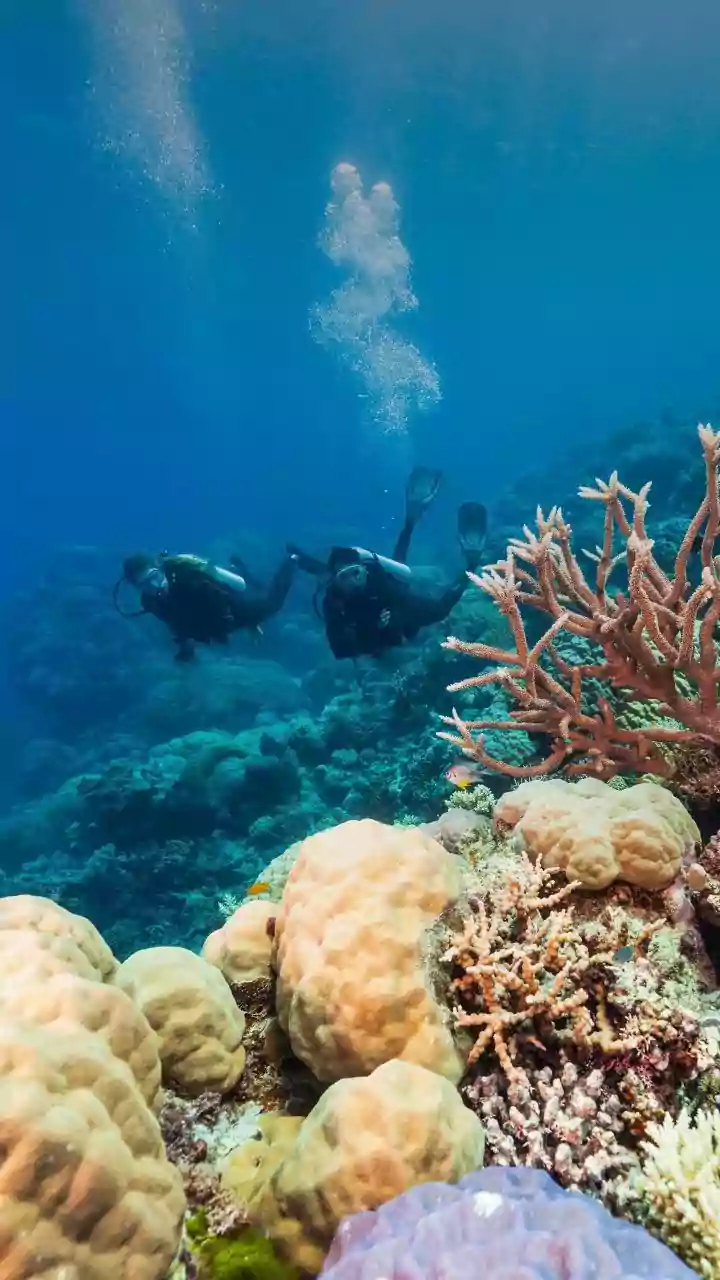
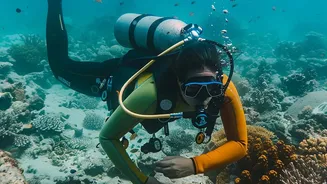
Lakshadweep offers the perfect blend of adventure and relaxation. The clear, tranquil lagoons are a playground for a variety of water sports. The vibrant coral reefs, among the most well-preserved in India, make for spectacular scuba diving and snorkelling. Visitors can swim alongside colourful fish, sea turtles, and other marine life in an underwater ecosystem that feels worlds away from city life. Beyond diving, activities like kayaking through serene lagoons, canoeing, and glass-bottom boat rides offer more gentle ways to connect with the aquatic environment. This combination of thrilling activities and the inherent peacefulness of the islands caters perfectly to the young traveller who wants a vacation that is both exciting and restorative.
A Conscious and Curated Experience
Visiting Lakshadweep requires some planning, including obtaining an entry permit from the administration. While this might seem like a hurdle, it serves a crucial purpose: regulating visitor numbers to protect the delicate environment and local culture. Recent changes in 2026 have simplified the process for Indian tourists, removing the need for a local sponsor or police clearance, making it more accessible. This regulated approach ensures the islands never feel overrun. For the modern young traveller who is often looking for a more mindful and curated journey, this structured access is part of the appeal. It transforms a trip from a simple holiday into a more exclusive and conscious travel experience, reinforcing the idea that they are visiting a protected, special place.