



The New Beauty Epicentre
The narrative of India's beauty market is no longer a metro-led story. A quiet but powerful revolution is taking place in Tier-2 and Tier-3 cities, which are rapidly emerging as the sector's most significant growth engines. Recent data from major e-commerce
platforms paints a clear picture: two out of every three beauty-related searches now originate from non-metro markets. Cities like Cuttack, Gorakhpur, Jamnagar, and Kottayam are increasingly shaping the country's beauty trends and purchase decisions. This surge is not just a minor uptick; it represents a fundamental restructuring of the consumer landscape, with non-metro regions now accounting for up to 60% of online beauty sales. This momentum is fuelling incredible growth, with some platforms reporting a 50% year-on-year increase in their beauty and personal care categories, largely powered by these new consumer cohorts.
The Digital Catalyst
This transformation is being driven by a potent combination of increased internet penetration, rising disposable incomes, and the democratising force of social media. The 'aspiration' gap between metro and non-metro India is rapidly closing. A young woman in a small town now has the same access to global trends, from Korean skincare routines to viral makeup tutorials on Instagram and YouTube, as someone in a major city. E-commerce and social commerce platforms have bridged the final gap between aspiration and acquisition, making products that were once inaccessible readily available. The widespread adoption of smartphones and digital payment systems like UPI has further empowered this new generation of shoppers, making it easier than ever to discover and purchase products.
A New Consumer Emerges
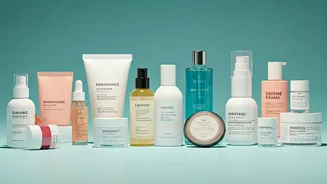
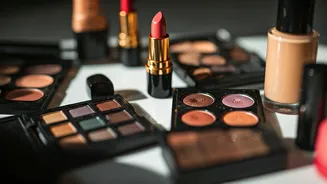
The consumer in Tier-2 and Tier-3 India is aspirational, digitally savvy, and increasingly confident. Primarily composed of Gen Z and millennials, these shoppers are not just imitating metro trends; they are defining their own beauty narratives. They are more informed, trend-conscious, and view beauty not as an occasional indulgence for weddings or festivals, but as an integral part of their daily self-care routine. This new consumer is also highly experimental, eager to try new products and formulations. This has led to a boom in demand for a wider range of products beyond the traditional lipstick and kajal, including science-backed skincare, multi-step routines, and even premium and luxury brands. Reports show premium beauty growing over 60% year-on-year, indicating a willingness to spend more for quality and performance.
Brands Take Note
Shrewd beauty brands, from D2C startups to established giants, are paying close attention and adapting their strategies. The 'one-size-fits-all' approach is no longer viable. Companies like Sugar Cosmetics now see over 60% of their revenue coming from outside metro cities. Brands are expanding their physical footprint with stores in smaller towns, creating omnichannel experiences that blend online discovery with offline trials. They are also localising their marketing, using regional influencers, and tailoring product assortments to suit local climates and preferences. Recognising that these consumers are value-conscious yet aspirational, many brands are introducing smaller pack sizes, or 'minis', to encourage trials and make products more affordable without compromising on the brand experience. This allows consumers to experiment with new trends, from graphic eyeliners to liquid blushes, without a hefty initial investment.