


Sitaphal (Custard Apple)
October is the peak season for this uniquely sweet and creamy fruit. With its pebbly green skin and soft, fragrant pulp, sitaphal is a true delicacy. The fruit's natural sweetness makes it a perfect ingredient for desserts like mousse, kheer, or a simple,
indulgent rabri. Enjoy it on its own by scooping out the pulp and separating the seeds, or blend it into a thick, satisfying milkshake. Its creamy texture and floral notes are a hallmark of the Indian autumn.
Shakarkandi (Sweet Potato)
As the weather cools, hearty root vegetables like sweet potato make their welcome appearance. More than just a simple root, shakarkandi is incredibly versatile. It can be roasted until tender and enjoyed as a street-food style chaat, tossed with lemon juice and spices. It also lends itself beautifully to both savoury and sweet dishes, from warm, spiced curries to wholesome, naturally sweetened halwa. Its earthy sweetness provides a grounding and comforting element to any meal.
Gajar (Carrots)
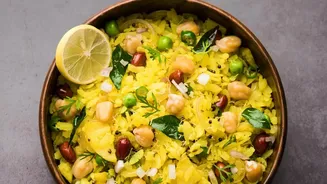
While available year-round, the carrots that arrive in October are particularly sweet and juicy. This is the perfect time to enjoy them raw in salads or grated into poha for a touch of sweetness and colour. These tender carrots are ideal for making the first gajar ka halwa of the season, and they also shine in savoury dishes like mixed vegetable curries or a comforting carrot shorba. Their vibrant colour and nutrient-rich profile make them a must-have this month.
Palak (Spinach)
With the post-monsoon climate providing ideal growing conditions, leafy greens like spinach begin to flourish. October spinach is tender and flavourful, perfect for a wide range of Indian dishes. It’s an essential ingredient for classic recipes like palak paneer, dal palak, and crisp spinach pakoras. You can also blend it into dough to make nutritious parathas or theplas. As the body craves nourishing foods to prepare for winter, spinach offers a wealth of nutrients.
Anar (Pomegranate)
The jewel-like seeds of the pomegranate are another highlight of the autumn harvest. Bursting with a sweet-tart flavour, these vibrant arils are as beautiful as they are delicious. Sprinkle them over salads, raitas, and chaat for a pop of colour and a juicy crunch. They can also be juiced for a refreshing sherbet or used as a garnish on festive desserts and rice dishes like pulao. Pomegranates not only add flavour but also bring a cleansing quality to meals.
Haldi and Adrak (Turmeric and Ginger)
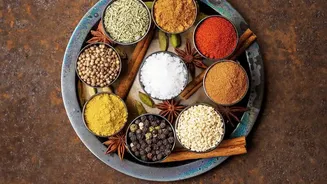
October’s transitional weather makes it a prime time to incorporate warming spices that boost immunity. Fresh turmeric and ginger are particularly beneficial during this period. Grated fresh ginger can be added to tea, dals, and vegetable preparations to aid digestion and provide warmth. Fresh turmeric, with its earthy flavour, can be used in curries, milk, or pickles. These spices are central to Ayurvedic traditions for navigating seasonal changes and keeping the body balanced.
Phool Gobi (Cauliflower)
The dense, creamy heads of cauliflower that appear in markets in October are a sign that winter is on its way. This cruciferous vegetable is a staple in Indian cooking and for good reason. It is the star of the classic aloo gobi, can be roasted whole with spices for a dramatic centrepiece, or transformed into a rich gobi masala. Its mild flavour allows it to absorb the surrounding spices, making it a versatile and satisfying addition to the autumn table.