



The Allure and the Danger
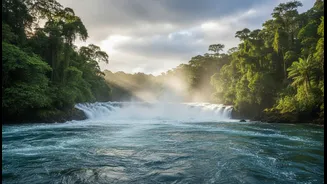
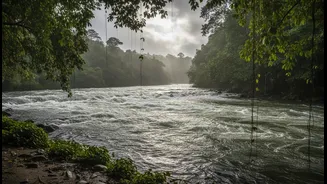
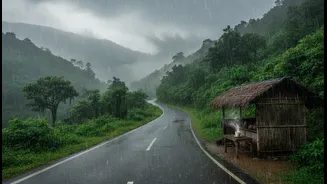
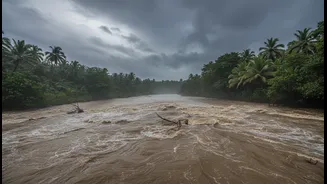
Every year, as the southwest monsoon arrives, Kerala’s 44 rivers swell, their waters turning murky and powerful. For tourists and locals alike, the temptation to take a dip in these seemingly inviting waters is strong. The landscape is lush, the weather
is cool, and the rivers appear full of life. However, this seasonal transformation hides a dangerous reality. Authorities repeatedly issue warnings that are often tragically ignored. Fire and rescue services have identified dozens of high-risk drowning zones across the state, many of which are popular bathing ghats and tourist spots that look deceptively calm. Even for strong swimmers, the monsoon changes everything. What might be a familiar and safe spot during the dry season can become a lethal trap after just a few hours of heavy rain.
The Unseen Power of the Current
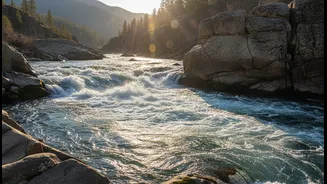
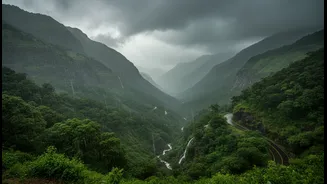
The most significant threat in a monsoon-fed river is the current, which is often strongest just below the surface. The calm-looking top layer of water can conceal a powerful undertow moving at a speed that can easily overpower a person. This is especially true in areas with varied topography, like the popular tourist spot of Paniyeli Poru in Ernakulam district. Locals describe hidden, urn-shaped pits in the rock bed called 'bharanikuzhi'. An unsuspecting bather can be pulled into these trenches by the current, making escape nearly impossible even for an expert swimmer. During the monsoon, the sheer volume of water flowing from the Western Ghats increases the velocity and turbulence, creating unpredictable eddies and currents that can pull a person under in seconds.
The Treacherous Trio: Depth, Debris, and Disease
A river’s depth is not constant, especially during the monsoon. Heavy flows scour the riverbed, creating sudden deep pockets where shallow water existed just days before. What appears to be a knee-deep stream can abruptly drop into a ten-foot hole. Compounding this danger is the debris carried by the floodwaters. Uprooted trees, logs, rocks, construction waste, and other refuse are swept along, often submerged and invisible. A swimmer can be struck, pinned, or entangled by this debris. Furthermore, monsoon runoff washes pollutants, sewage, and agricultural waste into the rivers, dramatically increasing the risk of waterborne diseases. Contact with contaminated water can lead to serious infections, and swallowing it can cause diseases like dysentery, cholera, and hepatitis.
Heeding Official Warnings and Staying Safe
The Kerala State Disaster Management Authority (KSDMA) and local authorities regularly issue advisories during the monsoon season. These warnings are not to be taken lightly. It is crucial to monitor local weather forecasts and heed all official alerts. Key safety measures include never entering a river or waterfall during or after heavy rainfall, avoiding all areas marked as dangerous, and never swimming alone. Tourists should be particularly cautious, as they are unfamiliar with the local water bodies. It is essential to avoid alcohol before swimming, as it impairs judgment and physical ability. Sturdy, anti-slip footwear is also recommended for anyone walking near slippery riverbanks.
Enjoying the Monsoon Responsibly
Respecting the rivers does not mean avoiding them entirely. The monsoon is a beautiful time to experience Kerala, but it must be done with awareness and preparation. Enjoy the view from a safe distance. Visit well-known, safe viewpoints rather than venturing to isolated or restricted spots. If you are staying at a resort or homestay, ask for local advice on which areas are safe to visit. Never underestimate the power of flowing water. A seemingly gentle stream can become a raging torrent in minutes. By understanding the specific dangers of current, depth, and debris, you can make informed decisions that ensure a safe and memorable monsoon experience in God's Own Country.