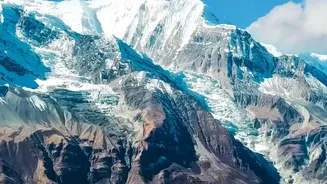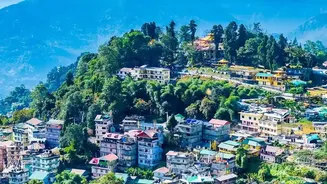

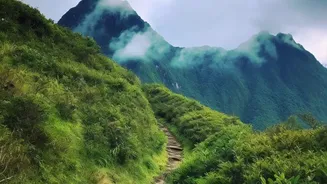
Nestled in the Himalayas, Sikkim is a sanctuary of staggering natural beauty and a biodiversity hotspot. Its dramatic landscape, rising from river valleys to the world's third-highest peak, creates a haven for trekkers and birdwatchers alike.
Khangchendzonga National Park: A UNESCO Treasure
Covering
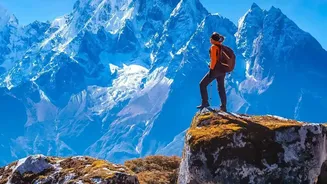
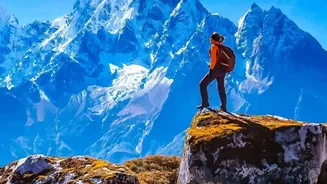
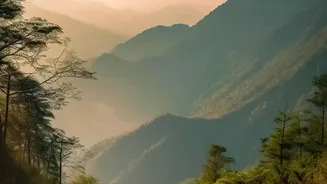
a remarkable 25% of Sikkim's land area, Khangchendzonga National Park is India's first 'Mixed' UNESCO World Heritage Site, celebrated for both its natural and cultural importance. The park is a high-altitude wonderland, with elevations soaring from 1,829 metres to over 8,586 metres at the summit of Mount Khangchendzonga. For trekkers, routes like the one starting from Yuksom lead through pristine forests and offer breathtaking views. The park is a critical habitat for some of the Himalayas' most elusive creatures. It is a stronghold for the endangered red panda, the state animal of Sikkim, often found in the dense bamboo forests. It's also one of the last bastions for the mysterious snow leopard, often called the 'ghost of the mountains', alongside other species like the Himalayan tahr, blue sheep, and Tibetan wolf.
Varsey Rhododendron Sanctuary: A Riot of Colour
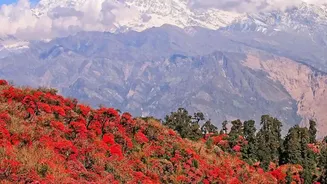
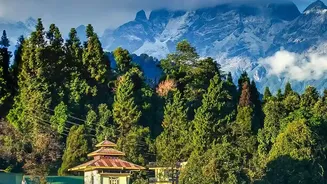
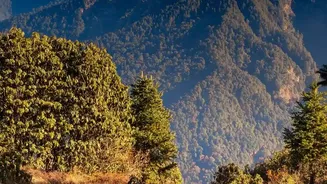
Located in West Sikkim on the Singalila Ridge, the Varsey (or Barsey) Rhododendron Sanctuary is a paradise for flora enthusiasts and casual hikers. The main attraction is the stunning bloom of rhododendron trees, which paint the forest in vibrant shades of red, pink, and white. The best time to witness this spectacle is during the spring months of April and May. The most popular way to experience the sanctuary is via an easy 4-kilometre trek from the gate at Hilley, which is accessible by road. This gentle walk is suitable for families and leads to a viewpoint offering glorious morning views of the Kanchenjunga range. The sanctuary is also a haven for birds, with species like sunbirds and finches drawn to the nectar-rich flowers.
Maenam Wildlife Sanctuary: A Birdwatcher's Dream
South Sikkim's Maenam Wildlife Sanctuary is a must-visit for avid birdwatchers. This protected area is home to over 200 recorded bird species, including sought-after sights like the Satyr Tragopan, Fire-tailed Myzornis, and Sikkim's state bird, the Blood Pheasant. The sanctuary's name translates to a 'treasury of medicines', referencing its rich botanical wealth. Trekkers can take the popular trail from the town of Ravangla to Maenam Peak at 3,263 metres, a journey of about four hours that rewards with panoramic Himalayan views. While trekking, patient observers might even catch a glimpse of the shy red panda or a Himalayan black bear. The best time for birding and seeing the flowers in bloom is spring, from March to May.
Yumthang Valley & Shingba Sanctuary: The Valley of Flowers
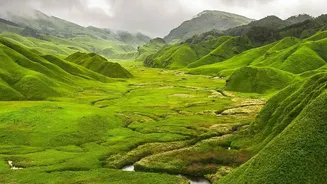
In North Sikkim lies the picturesque Yumthang Valley, often called Sikkim's 'Valley of Flowers'. Within it is the Shingba Rhododendron Sanctuary, which, despite its smaller size, boasts an incredible diversity of over 40 rhododendron species, including the state tree, Rhododendron niveum. The blooming season from April to July transforms the valley into a carpet of colour. The area is a fantastic spot for more accessible nature walks compared to strenuous high-altitude treks. It attracts a variety of bird species, such as the Hoary-throated Barwing and Wood Snipe. The Yumthang riverbed also provides a breeding ground for the Ibisbill, making it a unique location for birdwatching against a backdrop of snow-capped peaks.
Permits and Responsible Travel
While Indian citizens do not need a permit to enter Sikkim, a Protected Area Permit (PAP) is required for many of the state's most pristine areas, including North Sikkim (Yumthang, Lachung), East Sikkim (Tsomgo Lake), and trekking routes within Khangchendzonga National Park. These permits are typically arranged by government-registered tour operators in Sikkim. As a visitor, it is crucial to practice responsible tourism. Sikkim is India's first 100% organic state and has long-standing bans on plastic bags. To preserve the fragile ecosystem, always carry out your litter, stick to marked trails, and maintain a respectful distance from wildlife. This ensures that the natural treasures of Sikkim remain for generations to come.