



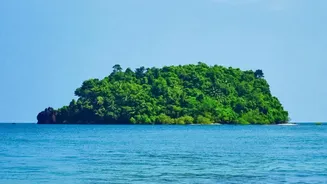


The Perfect Season for Underwater Clarity
The period from October to mid-May is widely considered the best time to visit Lakshadweep, and for good reason. Late autumn, specifically from October to November, marks the transition from the heavy monsoon season to the calm, dry winter. During these
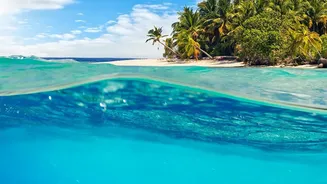
months, the seas become tranquil, and the underwater visibility is at its peak. The rain subsides, leaving behind clear skies and pleasant weather with temperatures ranging from a comfortable 22°C to 32°C. This post-monsoon freshness means the lagoons are exceptionally clear, and the ocean is inviting for swimmers, snorkelers, and divers who want to witness the archipelago's marine splendour without the turbulent conditions of the rainy season.
A Kaleidoscope of Corals and Atolls
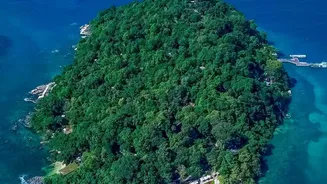
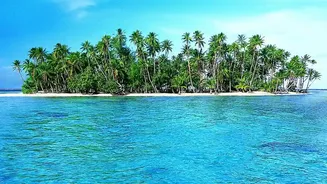
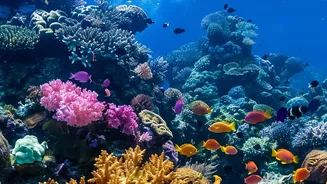
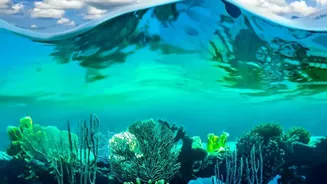
Lakshadweep is an archipelago of 36 coral atolls, and its name itself translates to 'one hundred thousand islands'. These islands are renowned for their healthy and vibrant coral ecosystems, which are some of the most pristine in India. The lagoons are enclosed by coral reefs, creating calm, shallow areas that burst with life. Islands like Agatti, Bangaram, Kadmat, and Kavaratti are hotspots for underwater exploration, each offering unique reef structures. Agatti is known for its stunning coral gardens, while Bangaram Atoll, often called the 'Jewel of Lakshadweep', mesmerises with its continuous reef formations. Kadmat Island offers long stretches of coral-filled lagoons, making it perfect for both beginners and experienced divers. These living, breathing underwater cities are the foundation of the islands' existence and their primary attraction.
Meet the Vibrant Marine Residents
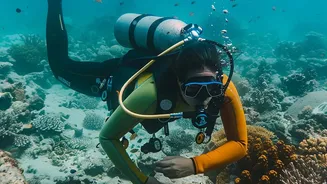
Dipping beneath the surface in Lakshadweep is like entering a bustling metropolis of marine creatures. The healthy coral reefs support an incredible diversity of life. Swimmers and snorkelers can expect to encounter schools of colourful fish, including parrotfish, butterflyfish, and angelfish. Sea turtles are a common sight, gracefully gliding through the lagoons, with several species nesting on the islands' beaches between November and March. For those venturing on a scuba dive, encounters with blacktip reef sharks, moray eels, and various rays are common. The waters around islands like Kavaratti and Minicoy are famous for their rich biodiversity, offering chances to see everything from tiny clownfish hiding in anemones to majestic manta rays during their migration season.
Choose Your Underwater Adventure
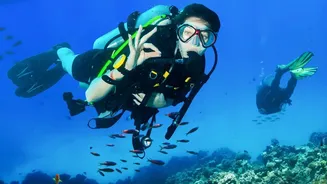
Whether you are a seasoned diver or a first-time snorkeler, Lakshadweep offers an activity for every comfort level. For those who want to fully immerse themselves, scuba diving is the ultimate experience. PADI-certified dive centres are available on islands like Kavaratti, Kadmat, and Agatti, offering courses for beginners and guided dives for the certified. Snorkeling is an easier, more accessible option, allowing you to float above the shallow coral gardens and observe the aquatic life from the surface. Many resorts and tour operators also provide kayaks and glass-bottom boats, offering a glimpse into the underwater world without even getting wet. These guided activities ensure safety while providing expert insight into the fragile marine ecosystem.
Essential Planning: Permits and Logistics
Planning a trip to this protected paradise requires a few extra steps. All visitors, including Indian citizens, must obtain an entry permit to visit the islands. The application process is now handled online through the official ePermit portal, and it's recommended to apply at least 15 days in advance. You'll need to provide your travel dates, proof of travel like flight tickets, and accommodation details. Most tourism to Lakshadweep is handled through official packages from the Society for Promotion of Nature Tourism and Sports (SPORTS) or authorized travel agents, which often bundle accommodation, meals, transport, and permits. The main gateway to the islands is the airport on Agatti Island, from where you can take boats to other islands like Kavaratti and Bangaram.