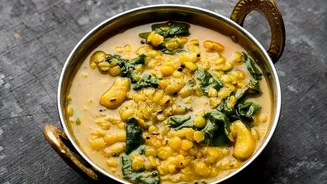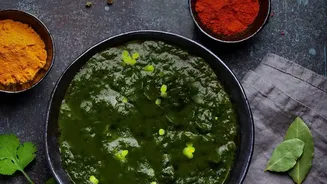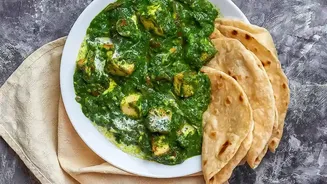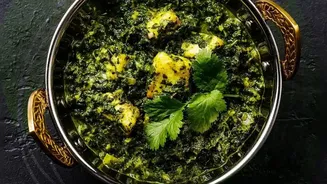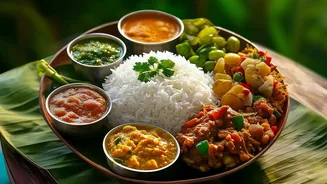




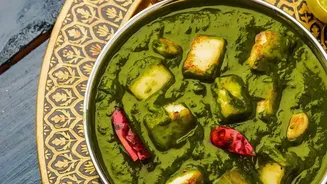
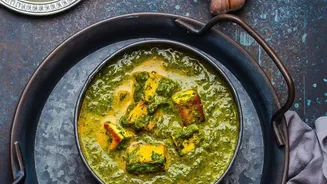
When you hear 'saag,' your mind might jump to the classic Sarson ka Saag of Punjab. But saag is much more than one dish; it’s a whole category of cooking that transforms humble leafy greens into something deeply comforting and nutritious.
More Than Just Mustard Greens
In Indian cuisine,
the word 'saag' doesn't refer to a single ingredient but to a culinary technique for cooking various leafy greens. While 'palak' specifically means spinach, 'saag' is a broader term that can encompass a wide variety of greens, often cooked down with spices into a thick, flavourful preparation. The most famous version is Sarson ka Saag, made from pungent mustard greens, but that's just the beginning. A saag can be made from a single type of green or, more traditionally, a mixture of several to create a complex and balanced flavour profile.
The Green Stars of the Show
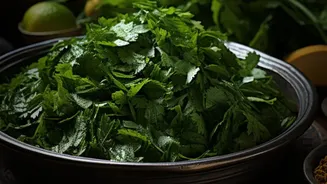
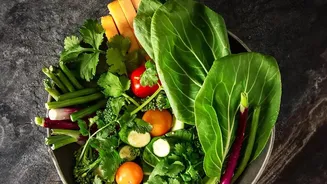
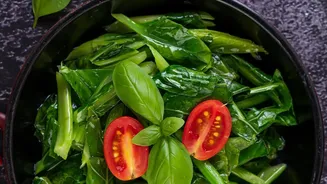
The cast of greens used in saag is diverse and changes with the seasons and regions. Beyond the well-known spinach (palak) and mustard greens (sarson), several others play a vital role. Fenugreek leaves (methi) add a slightly bitter, aromatic note. Bathua (chenopodium or lamb's quarters), a winter specialty in North India, brings an earthy flavour. Amaranth leaves (chaulai), which come in both green and red varieties, are another popular choice, celebrated for their versatility. In some regions, you'll even find saag made from radish greens (mooli ka saag), drumstick leaves (sahjan), or water spinach (kalmi saag).
A Nutritional Powerhouse
Leafy greens are nutritional superstars, and saag is a delicious way to consume them. They are packed with essential vitamins like A, C, and K, along with vital minerals such as iron, calcium, and potassium. For instance, bathua is a great source of iron and is praised for its ability to purify the blood. Amaranth leaves (chaulai) are exceptionally rich in calcium, vitamin A, and protein. Spinach is lauded for its iron and magnesium content, which helps in boosting energy. The high fibre content in all these greens aids digestion and promotes a feeling of fullness. Interestingly, cooking these greens with a bit of fat, like ghee or butter, is not just for flavour—it helps the body absorb fat-soluble vitamins A and K more effectively.
A Taste of India's Regions
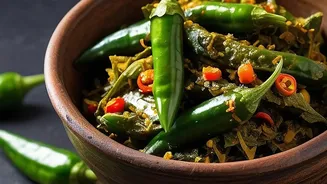
The preparation of saag varies significantly across India, reflecting the local palate. In Punjab, Sarson ka Saag is a robust, hearty dish, slow-cooked for hours and often finished with a tempering of garlic, ginger, and onions, then topped with a generous dollop of white butter. It's famously paired with makki ki roti (maize flour flatbread). In West Bengal, you might find a lighter preparation like Kalmi Saag (water spinach), quickly stir-fried with panch phoron, a five-spice blend. In Bihar and Uttar Pradesh, Bathua ka Saag is a winter staple. Southern variations may incorporate coconut and tamarind, offering a tangier flavour profile. This regional diversity showcases the incredible adaptability of saag as a culinary concept.