








Beyond the usual walking tracks and green lawns, a quiet revolution is taking place in India's public parks. The introduction of free outdoor gyms is turning these beloved spaces into powerful hubs for community health and social connection.
Breaking Down Barriers to Fitness
For many,
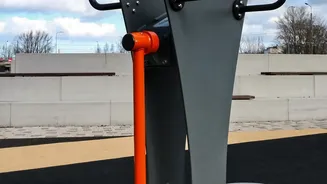
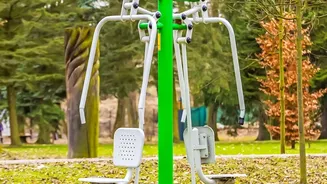
the cost of a gym membership is a significant barrier to regular exercise. Outdoor fitness zones in public parks eliminate this financial obstacle entirely, offering free access to durable, weatherproof equipment. This democratisation of fitness is crucial in a country where physical inactivity is a growing concern. By placing equipment like lat pull-downs, leg presses, and cross-trainers in accessible public spaces, municipalities encourage more people to integrate physical activity into their daily lives. It's no longer about finding the time or money for a special trip to a gym; fitness becomes a convenient part of a morning walk or an evening stroll, making it easier for people of all ages and income levels to stay active.
A Workout for Your Well-being
The benefits of these open-air gyms extend far beyond physical strength. Exercising outdoors has a proven positive impact on mental health. Exposure to fresh air, sunlight, and natural surroundings can significantly lower stress hormones like cortisol, reduce feelings of anxiety and depression, and improve overall mood. Studies show that even a short period of activity in a green space can boost self-esteem and promote relaxation. The simple act of exercising in a park combines the mood-boosting effects of physical activity with the calming influence of nature, creating a powerful tool for mental and emotional well-being.
Fostering Stronger Community Bonds
Perhaps one of the most vital functions of these fitness zones is their ability to build social connections. Unlike the often solitary or intimidating environment of a traditional gym, outdoor facilities become natural gathering spots. They encourage interaction, with users often sharing fitness tips, offering motivation, or simply chatting between exercises. This creates a sense of camaraderie and shared purpose. These spaces are multigenerational, allowing teenagers, parents watching their kids on a nearby playground, and senior citizens to exercise side-by-side. This intermingling strengthens community ties, reduces social isolation, and fosters a collective spirit of health.
Addressing Health Equity
By providing high-quality fitness opportunities at no cost, public parks play a critical role in promoting health equity. Access to facilities for physical activity is not evenly distributed, with lower-income neighbourhoods often having fewer options. Free outdoor gyms help level the playing field, ensuring that everyone has a fair and just opportunity to be healthy, regardless of their socioeconomic status. This is a crucial step in addressing health disparities related to conditions like obesity, diabetes, and cardiovascular disease, which are often linked to a lack of access to safe and affordable places to exercise. These installations transform parks from simple recreational areas into essential public health infrastructure.
Challenges and the Path Forward
While the benefits are clear, the success of open air gyms in India also faces challenges. Studies have noted issues such as overcrowding, the need for more regular maintenance of equipment, and concerns about unsupervised use leading to improper form. To maximise their impact, suggestions from users and healthcare providers include increasing the amount of equipment available, ensuring its upkeep, and potentially having trainers present during peak hours. As this movement grows, a systematic approach to planning, installation, and maintenance will be key to ensuring these valuable community assets are safe, effective, and sustainable for years to come.