






Build a Quick-Dry Wardrobe
The golden rule of monsoon travel is to avoid fabrics that cling to water. Heavy materials like denim and thick cotton can take days to dry in the humid climate, leaving you uncomfortable. [8] Instead, build your travel wardrobe around lightweight, synthetic
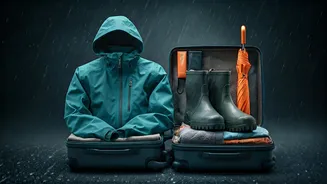
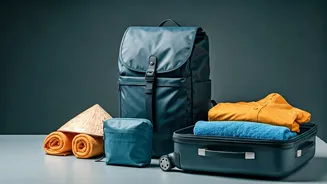
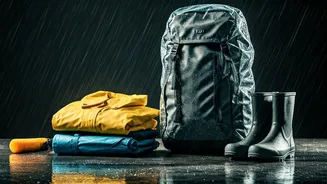
fabrics like polyester and nylon blends. [8] These materials are breathable and dry remarkably fast, often overnight after a quick wash in your hotel sink. [8] Opt for quick-dry t-shirts, lightweight trousers, and synthetic dresses. [2] Darker colours are a strategic choice, as they help conceal any mud or water splashes from navigating puddly streets. [2] Layering is also a smart strategy; a thin, waterproof jacket over your quick-dry clothes provides flexible protection against sudden showers and temperature drops. [2]
Choose Rain-Ready Footwear
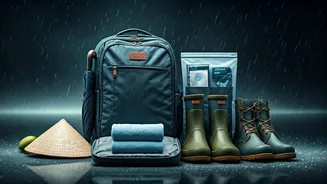
Your choice of footwear can make or break a monsoon trip. Leather shoes are a definite no, as they are easily ruined by water. Likewise, simple flip-flops can be hazardous on slippery surfaces and will flip mud onto your legs. [11] The best options are waterproof sandals with good grip and a back strap, or rubber floaters that can handle being completely submerged. [2, 11] These are perfect for walking through waterlogged streets. For more adventurous excursions like trekking, a pair of anti-skid, quick-dry hiking shoes is a worthwhile investment to navigate slippery trails safely. [2, 12] Always pack an extra pair of shoes as a backup. [2] And remember to break in any new footwear before your trip to avoid painful blisters. [2]
Protect Your Electronics and Documents
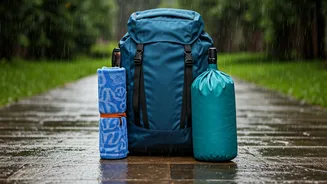
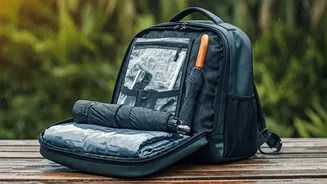
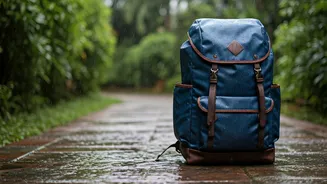
Water is the enemy of modern travel essentials like smartphones, cameras, and power banks. A sudden downpour can cause irreversible damage if you're not prepared. The simplest and most effective solution is to use waterproof bags and pouches. [6] A high-quality dry bag is excellent for protecting larger items inside your main luggage. [8] For daily excursions, keep smaller items like your phone, passport, and wallet safe in sealed zip-lock bags. [2] Investing in a waterproof phone case offers an extra layer of security, allowing you to use your device without fear. [13] It's also wise to have a dedicated rain cover for your backpack; even water-resistant bags can fail in a sustained Indian downpour. [3, 8]
Assemble a Monsoon Health Kit
The rainy season can bring an increase in health concerns, from water-borne illnesses to mosquito activity. A well-stocked health kit is non-negotiable. [5] The most critical item is a potent insect repellent to protect against mosquito-borne diseases like dengue and malaria, which are more prevalent during this season. [3, 6] Your kit should also include basic medications for common ailments such as fever, coughs, and stomach upsets. [2] Antiseptic cream, bandages for minor cuts, and hand sanitiser are also essential for maintaining hygiene. [5, 6] To avoid stomach issues, stick to bottled water and freshly cooked meals from clean, busy establishments. [4]
Pack Beyond the Basics
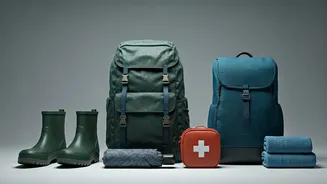
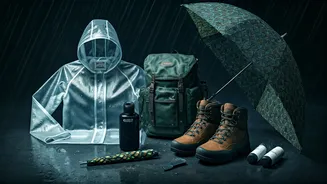
A few extra items can significantly enhance your comfort and safety. A compact, quick-dry microfibre towel is a monsoon miracle; it's lightweight and dries much faster than traditional cotton towels. [2, 12] Power cuts can be common during heavy rains, so a fully charged power bank is a lifesaver for keeping your devices running. [15] Since transport delays due to weather are possible, packing some non-perishable snacks like granola bars or nuts can be very useful. [2, 6] Finally, while a good raincoat is essential, a sturdy, wind-resistant umbrella provides quick, convenient protection for short dashes through the rain. [2, 4]