






Choosing a cardio routine you’ll actually stick with is half the battle. Rowing and ballet-inspired fitness are two fantastic, low-impact options, but they offer vastly different experiences. Which one aligns with your personality and goals?
The Contenders: Power vs. Poise
On one side,
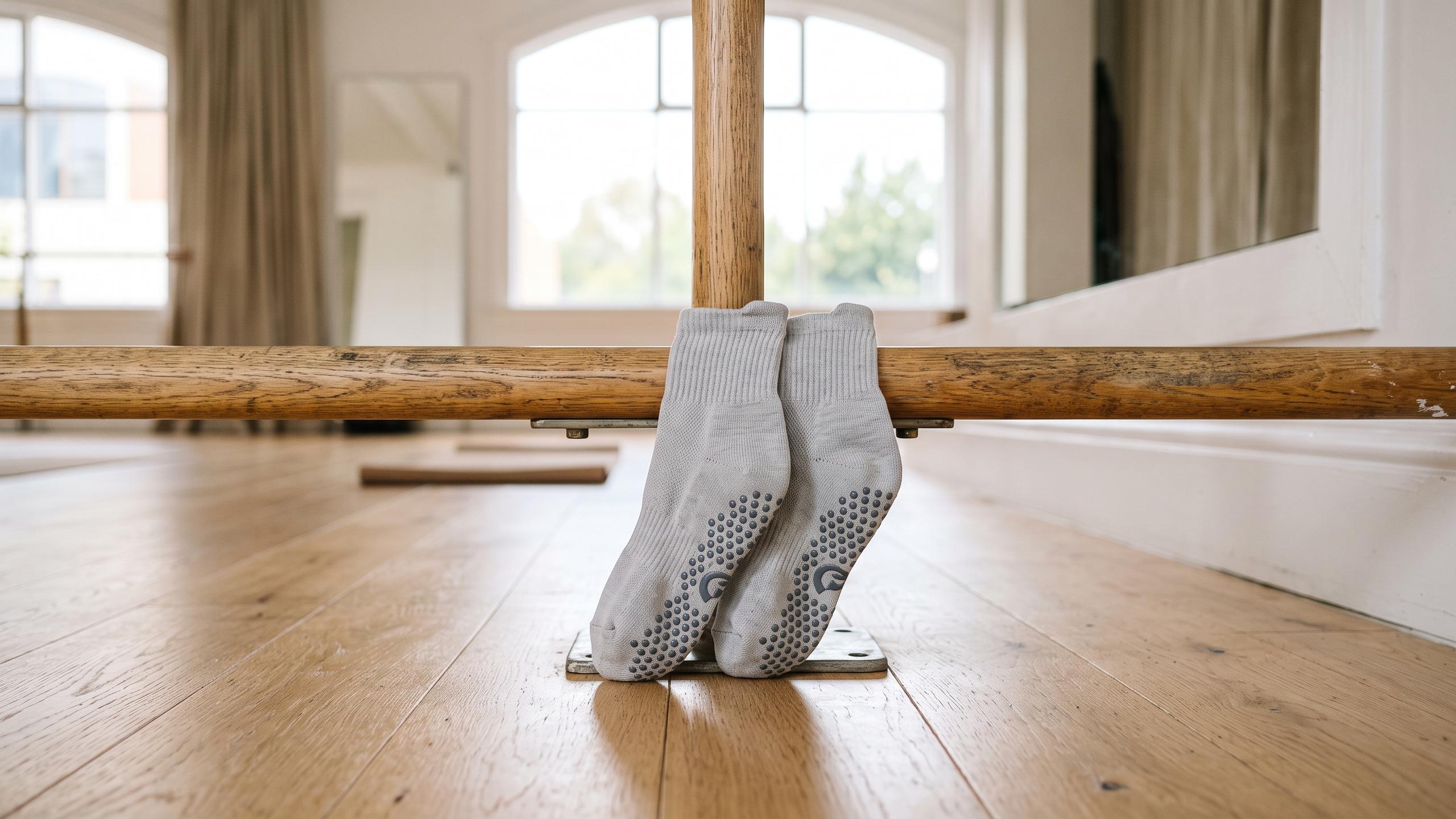
you have rowing: a powerhouse, full-body workout known for its efficiency and intensity. It combines strength and cardio in one fluid motion, engaging over 80% of your body's muscles with every stroke. On the other, you have ballet-inspired fitness, often called barre. This workout uses small, controlled movements and isometric holds to build muscular endurance, flexibility, and a strong core. While both are low-impact, meaning they are gentle on your joints, their approach to cardiovascular fitness is fundamentally different. Rowing is about explosive power and rhythmic consistency, while barre is about sustained muscle engagement and graceful control.
Cardiovascular Burn: Intensity vs. Endurance
If your goal is a high-intensity calorie burn in a short amount of time, rowing has a clear edge. A vigorous 30-minute rowing session can burn upwards of 300-400 calories by demanding work from the largest muscle groups—the legs, back, and core. This makes it incredibly effective for improving cardiovascular health and stamina. Ballet and barre workouts also elevate your heart rate, but in a different way. The challenge comes from holding difficult positions and performing high-repetition movements that push your muscles to the point of fatigue. This builds incredible muscular endurance and can burn between 250-500 calories in a class, with an 'afterburn' effect where your metabolism stays elevated post-workout. The cardio is less about explosive bursts and more about sustained effort.
Muscle Engagement: Full-Body Power vs. Targeted Toning
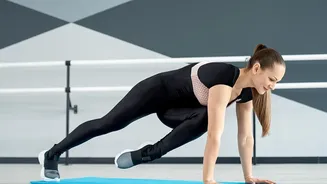
Rowing is renowned for being a true full-body workout. The movement is a sequence of power: the legs and glutes drive, the core stabilises, and the back and arms pull to finish the stroke. This builds functional strength across both the upper and lower body. Barre workouts, conversely, are famous for creating long, lean muscle tone. They specialise in targeting smaller, stabilising muscles, particularly in the glutes, thighs, and core, that are often missed in traditional strength training. The small, pulsing movements, known as isometric contractions, build strength and endurance without adding bulk, which is key for improving posture and body alignment.
Flexibility, Posture, and Mindset
This is where ballet_inspired fitness truly shines. The entire discipline is built around principles of posture, alignment, and flexibility. Regular practice can lead to a noticeable improvement in how you carry yourself, creating better body awareness and control. The focus required for the precise movements also provides a strong mind_body connection. Rowing also contributes to better posture by strengthening the entire posterior chain—the muscles of your back, glutes, and hamstrings. A strong back is essential for standing tall and preventing slouching. The rhythmic, repetitive nature of rowing can also be meditative for some, demanding a state of focus to maintain proper form and pace.
Making Your Choice: Who Is It For?
So, how do you choose? Your decision should come down to your fitness personality and primary goals.
Choose rowing if:
You want the most efficient, full_body cardio and strength workout in one session.
You enjoy high_intensity, powerful movements and tracking metrics like speed and distance.
Your main goal is significant calorie burn and cardiovascular conditioning.
You need a workout that is tough on muscles but extremely gentle on joints.
Choose ballet fitness if:
You want to build long, lean muscle tone and improve your posture and flexibility.
You enjoy methodical, controlled movements and focusing on mind_body connection.
You are motivated by a group class environment with upbeat music.
You want to strengthen your core and smaller stabilising muscles.