


Peru's famous attractions are iconic for a reason, but they often come with crowds and compromises. This guide helps you look beyond the main circuit to discover authentic experiences and make savvy trade-offs for an unforgettable journey.
The Citadel of Crowds: Machu Picchu
Let's be clear:
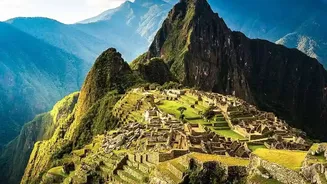
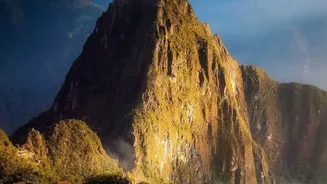
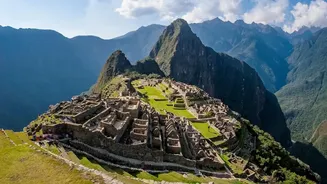
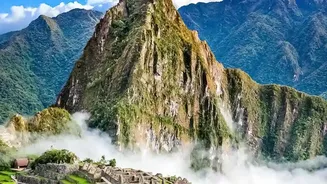
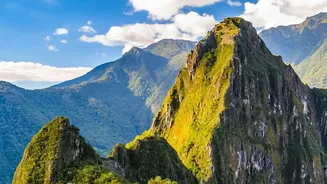
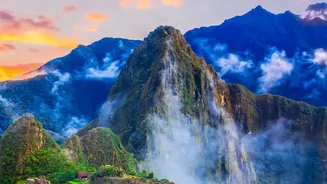
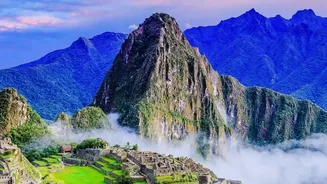
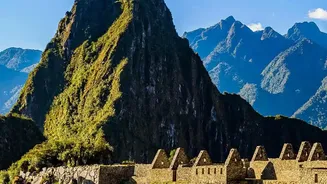
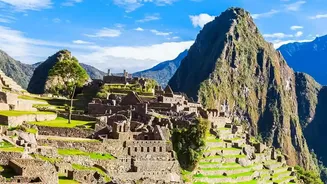
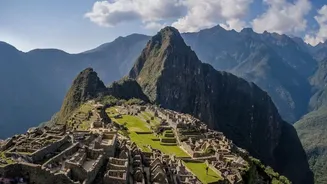
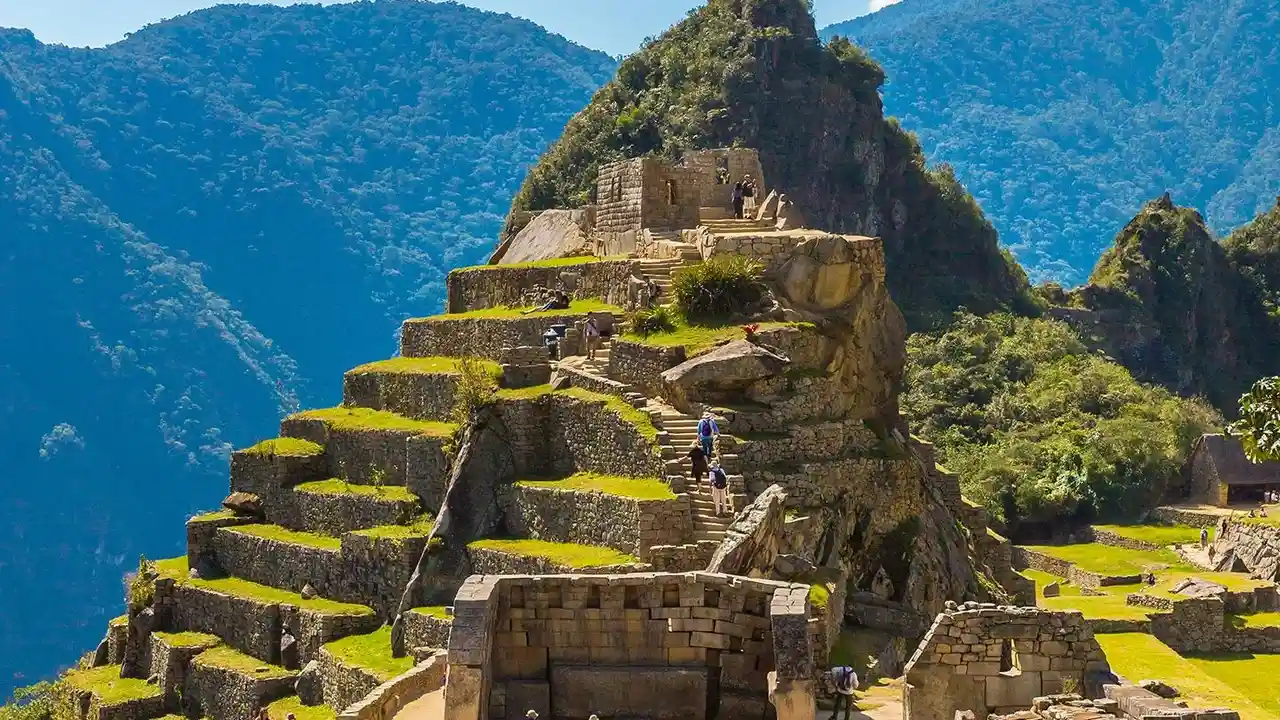
Machu Picchu is not overrated in its magnificence. It is a world wonder for a reason. However, the experience of visiting can feel compromised. With up to 5,600 visitors per day, strict, timed-entry circuits, and the constant hustle, the feeling of ancient wonder can be hard to grasp amidst the crowds. The journey requires booking months in advance, and once there, you're on a well-trodden, one-way path, making quiet contemplation nearly impossible. The trade-off for seeing this icon is often a loss of spontaneity and personal discovery.
The Alternative: Choquequirao, The Last Refuge
Often called Machu Picchu's 'sister city', Choquequirao offers the same jaw-dropping Andean scenery and incredible Inca stonework but receives only a handful of visitors per day—sometimes fewer than 30. Architecturally similar and possibly even larger in scope than Machu Picchu, only about 30% of this massive complex has been excavated from the jungle. The trade-off? Access. There's no train or bus here. Reaching Choquequirao requires a strenuous, multi-day trek, typically four days round-trip, descending deep into the Apurímac Canyon and climbing back out. It's a true adventure that rewards the effort with solitude and an unparalleled sense of discovery that has become rare at its more famous counterpart.
The Instagram darling: Vinicunca Rainbow Mountain
Discovered by the tourism world only around 2015, Vinicunca's 'Rainbow Mountain' became an internet sensation and, almost overnight, Peru’s second-most visited attraction after Machu Picchu. The reality involves a pre-dawn start from Cusco, a strenuous high-altitude hike to over 5,000 meters, and sharing the view with hundreds, if not thousands, of other people. The rapid tourism boom has also led to significant environmental concerns, including severe trail erosion and the destruction of a wetland to create a parking lot. The single, iconic ridge is stunning, but the experience can feel rushed and crowded.
The Quieter Choice: Palccoyo Rainbow Mountains
Just a few hours away lies Palccoyo, often called the 'alternative rainbow mountain'. Instead of one crowded peak, Palccoyo offers panoramic views of three distinct rainbow_colored mountains and a 'stone forest' of rock formations. The hike is significantly easier and shorter—a gentle, relatively flat walk of about 45 minutes to an hour, compared to the grueling uphill trek at Vinicunca. While it's still at high altitude, the accessibility makes it a better option for families or those not conditioned for extreme climbs. The biggest draw is the tranquility. You get the same geological wonder without the overwhelming crowds, allowing you to actually enjoy the surreal landscape.
The Staged Experience: The Uros Floating Islands
Lake Titicaca is a cornerstone of Andean mythology, but a visit to the Uros floating islands can feel less like a cultural encounter and more like a tourist trap. Since a storm in 1986 pushed the communities closer to the mainland city of Puno, tourism has become their main economy. Many visitors report feeling like they are in a staged performance, with a well_rehearsed 30_minute demonstration followed by a persistent push to buy souvenirs or pay for extra boat rides. While the construction of the totora reed islands is fascinating, the experience is often described as inauthentic and commercialized.
The Authentic Immersion: Amantaní or Taquile Island
For a more genuine connection to life on Lake Titicaca, consider visiting the natural, 'terra firma' islands of Amantaní or Taquile. Both are home to Quechua_speaking communities that maintain traditional ways of life centered on farming and weaving. Taquile is famous for its UNESCO_recognized textile art and can be visited on a day trip. For deeper immersion, an overnight homestay on Amantaní is the ultimate trade_off. Here, you can share meals with a local family, hike to pre_Inca temples (Pachatata and Pachamama) for sunset, and experience the quiet rhythm of island life far from the commercial hustle of the floating islands. It’s a chance for true cultural exchange.