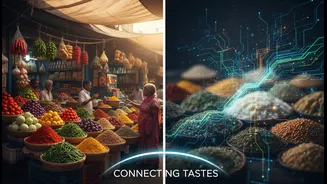









The Digital Dining Room
India's digital revolution has been swift and far-reaching. With hundreds of millions of new users coming online, primarily through affordable smartphones and data plans, nearly every aspect of life has been touched by technology—and food is no exception.
The rapid expansion of internet access, especially into Tier-2 and Tier-3 cities, has created a new ecosystem for food. This digital shift is not just about the convenience of ordering a meal; it represents a fundamental change in how people discover food, learn about nutrition, and make purchasing decisions. What was once a landscape dominated by neighbourhood kiranas and traditional family recipes is now a bustling digital marketplace of ideas, ingredients, and instant gratification.
From Local Bazaars to Global Baskets
The most visible change has been the explosion of online grocery and food delivery platforms. Companies like Zomato and Swiggy have evolved from simple restaurant directories into complex logistics networks that deliver everything from restaurant meals to weekly groceries. This has been supercharged by the rise of 'quick commerce', with platforms promising deliveries in under 30 minutes, a format where India has become a global leader. This unprecedented convenience is changing consumer habits. Suddenly, exotic ingredients like avocados and kiwis, once confined to premium supermarkets in metros, are becoming accessible to a wider audience. Similarly, the online marketplace makes it easier for consumers to purchase regional Indian specialties that are not available locally, broadening the national palate. The online grocery market is projected to grow exponentially, reaching over $100 billion by 2034, driven by this demand for convenience and variety.
The Instagram Effect on the Indian Thali
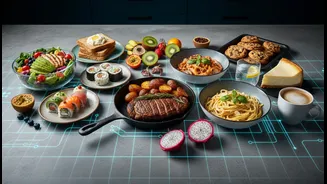
Beyond purchasing, the internet has become the new frontier for food discovery. Social media platforms like Instagram and YouTube are teeming with food bloggers and influencers who have become the new tastemakers. Their visually rich content introduces millions to global trends, fusion dishes, and aesthetic-driven food challenges. This digital influence has a dual effect. On one hand, it popularises global ingredients and trends, making things like quinoa and kale part of the urban Indian vocabulary. On the other, it's fueling a revival of interest in traditional Indian foods. Influencers are sharing modern takes on ancient grains like millets (jowar, ragi), helping to rebrand them as 'superfoods' and encouraging their integration into daily meals. This social media-driven conversation is making Indian food culture more dynamic and aspirational.
A New Wave of Health Consciousness
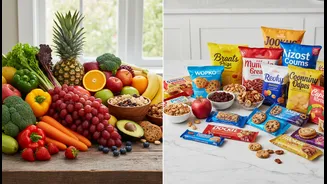
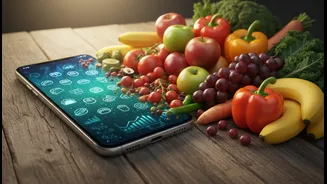
Internet access has also been a powerful catalyst for a nationwide shift towards health and wellness. Consumers are increasingly using online resources to research nutritional information, find healthy recipes, and understand dietary trends like intermittent fasting or plant-based eating. This growing awareness, amplified by wellness influencers, is directly impacting purchasing decisions. There is a rising demand for organic products, protein-rich foods, and healthy snacks, a trend that both new-age brands and established companies are tapping into. Healthcare apps and wearable technology are further empowering consumers to take control of their diets, with many open to AI-driven personalized meal plans. However, this flood of information also brings challenges, as health experts caution against blindly following social media fads that may lead to nutritional imbalances.
Convenience, Cost, and Contradictions
While the digital transformation offers immense variety and access, it is not without complexity. The very convenience that allows someone to order a healthy salad also enables the impulse purchase of processed foods. Cost remains a major factor for a large segment of the population, with many shoppers using digital platforms primarily to hunt for discounts and value-for-money deals. Furthermore, while digital penetration is growing, a significant portion of the grocery market remains offline, rooted in long-standing habits and the need to physically inspect fresh produce. The platforms themselves are evolving, using AI and data analytics to personalize recommendations and optimize delivery routes, making the ecosystem even more integrated into daily life. This creates a landscape where consumer choice is both expanded and subtly guided by algorithms, presenting a fascinating paradox of modern consumption.