




Embrace Strategic Meal Planning
The single most effective way to cut grocery costs is to plan your meals before you shop. Spend 30 minutes each weekend outlining the week’s breakfast, lunch, and dinner. This simple act transforms your shopping from an impulse-driven activity into a targeted
mission. Create a detailed list based on your plan and stick to it. This discipline prevents you from buying items you don’t need, which is a major source of budget leakage. A 2023 study highlighted that Indian households waste a significant amount of food annually, and meal planning is a powerful tool to curb this. By knowing exactly what you need for the week's dal, sabzi, and curries, you reduce both food waste and unnecessary spending.
Buy Local and Seasonal Produce
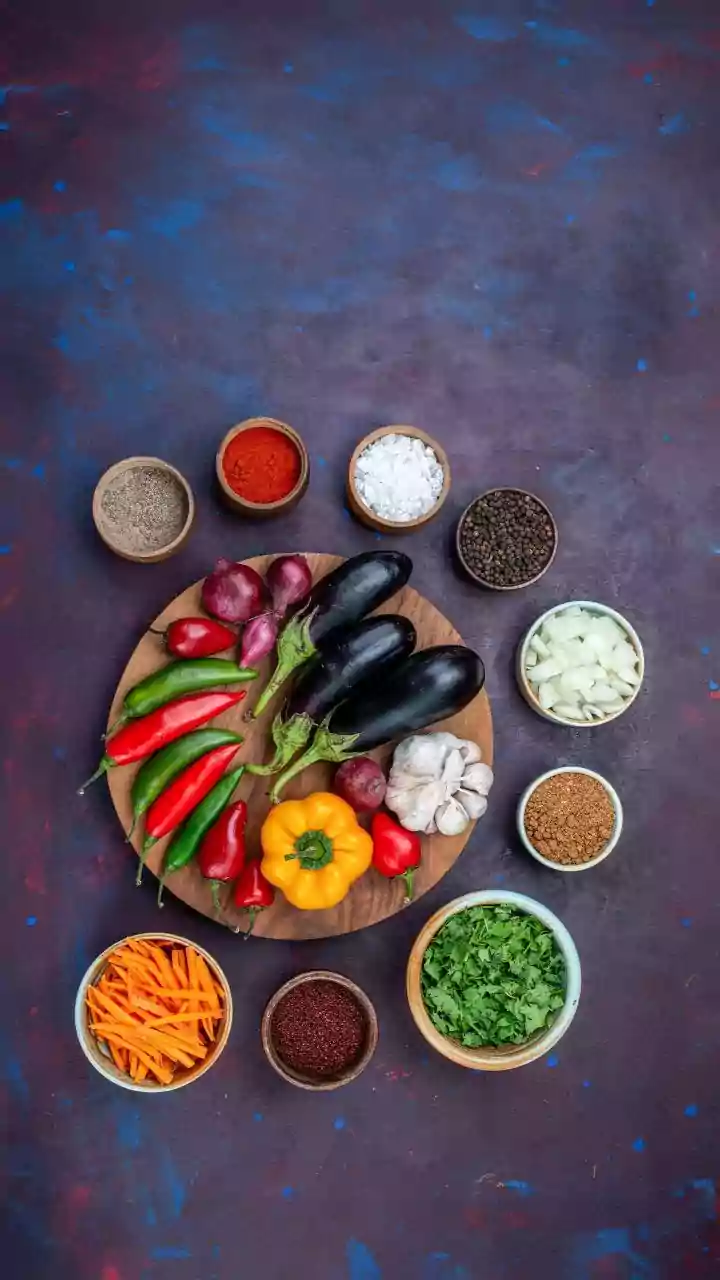
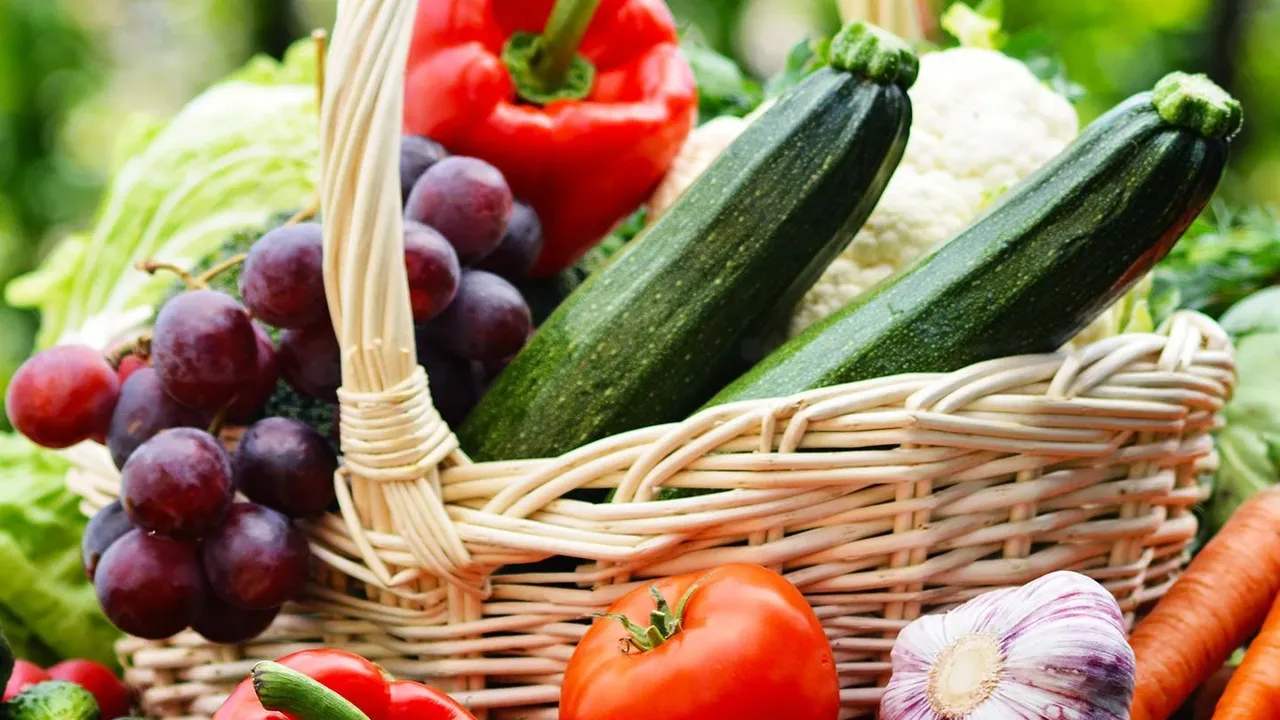
Your local vegetable vendor is your best friend in the fight against food inflation. Seasonal fruits and vegetables are not only fresher and more nutritious, but they are also significantly cheaper. When a vegetable is in season, its supply is abundant, which naturally drives down the price. For example, tomatoes might be a fraction of the cost in winter compared to their monsoon-season prices. Building your weekly menu around what’s currently in season at the mandi can lead to substantial savings. This approach also supports local farmers and reduces the carbon footprint associated with transporting out-of-season produce over long distances.
Unlock the Power of Bulk Buying
For non-perishable items that form the foundation of Indian cooking, buying in bulk is a proven money-saver. Staples like rice, atta (flour), dals, sugar, and cooking oils have a long shelf life. Purchasing these in larger quantities from wholesale markets or during sales can reduce the per-kilogram cost by a noticeable margin. Instead of buying a 1kg packet of dal every week, consider a 5kg bag that will last the month. This reduces packaging waste and the number of shopping trips. However, be smart about it—only buy what you can store properly to prevent spoilage from moisture or pests.
Lean on Lentils and Legumes
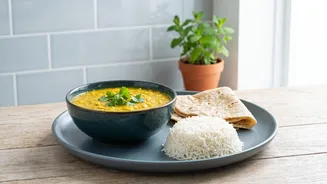
Recent reports from August 2026 indicate that protein-rich items are among the key drivers of food inflation. While chicken and mutton prices may fluctuate, lentils and legumes like chana, rajma, and moong remain a cost-effective and highly nutritious source of protein. Planning for a few dal-centric or legume-based meals each week can significantly lower your grocery bill. These ingredients are versatile, forming the base for everything from simple dal-chawal to more elaborate curries. They are filling, healthy, and a budget-friendly alternative to more expensive proteins, helping you manage costs without compromising on essential nutrients.
Reduce and Repurpose Leftovers
Food waste is wasted money. Get creative with leftovers to make every rupee count. Yesterday’s dal can be used to knead dough for flavourful parathas. Leftover sabzi can become a delicious filling for sandwiches or rolls. Cooked rice can be quickly transformed into fried rice or lemon rice for the next day's lunch. Adopting a 'waste-not' mindset in the kitchen not only respects the food you’ve purchased but also stretches your budget further. A pressure cooker can also be a valuable tool, saving on cooking gas by preparing meals faster.
Rethink Packaged and Processed Foods
Convenience often comes at a high price. Packaged snacks like biscuits, chips, instant noodles, and sugary juices are major culprits in inflating grocery bills. These items offer low nutritional value for a high cost. Instead, consider making traditional snacks like chivda, mathri, or roasted makhana at home. Similarly, grinding your own spices or making paneer from milk can be more economical than buying their pre-packaged counterparts. By cutting down on these processed goods, you not only save money but also have greater control over the ingredients your family consumes.