
The Magic of Minimal Cleanup
The most celebrated benefit of one-pan cooking is undoubtedly the freedom it offers from a sink full of dirty dishes. By combining all your ingredients—protein, vegetables, and starches—in a single skillet or on one sheet pan, you streamline the entire
cooking process. This method isn't just about saving time on washing up; it also means less kitchen chaos and a more organised approach to meal preparation. Furthermore, cooking everything together allows flavours to meld beautifully, creating a rich, layered taste that can be difficult to achieve with separate components. It’s an efficient approach that packs a nutritional punch by making it easy to incorporate a variety of vegetables into a single dish.
The Go-To Method: Sheet Pan Roasting
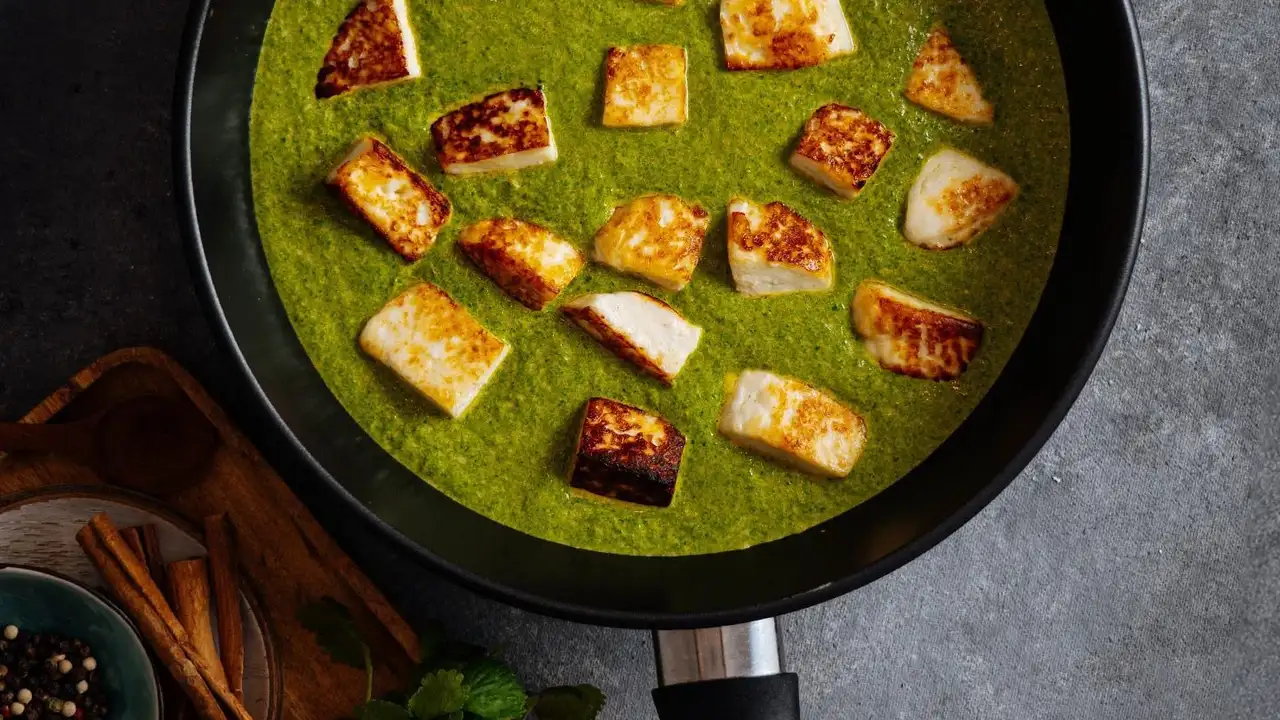
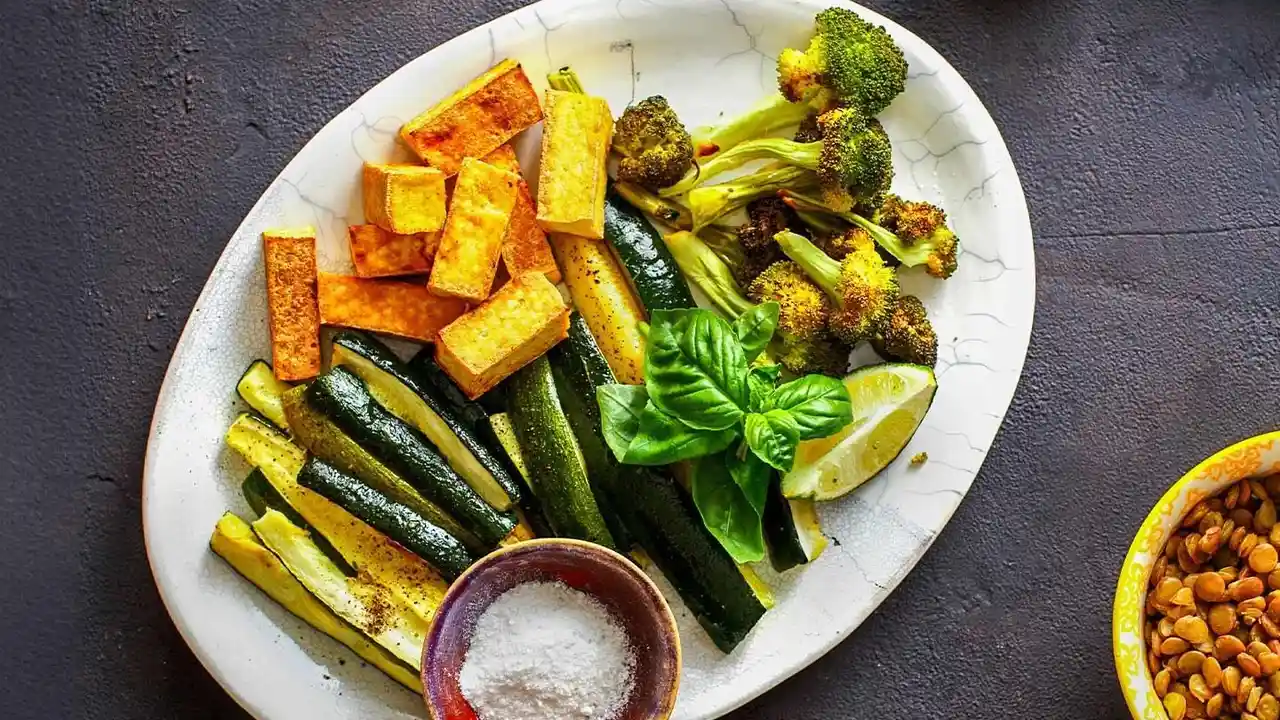
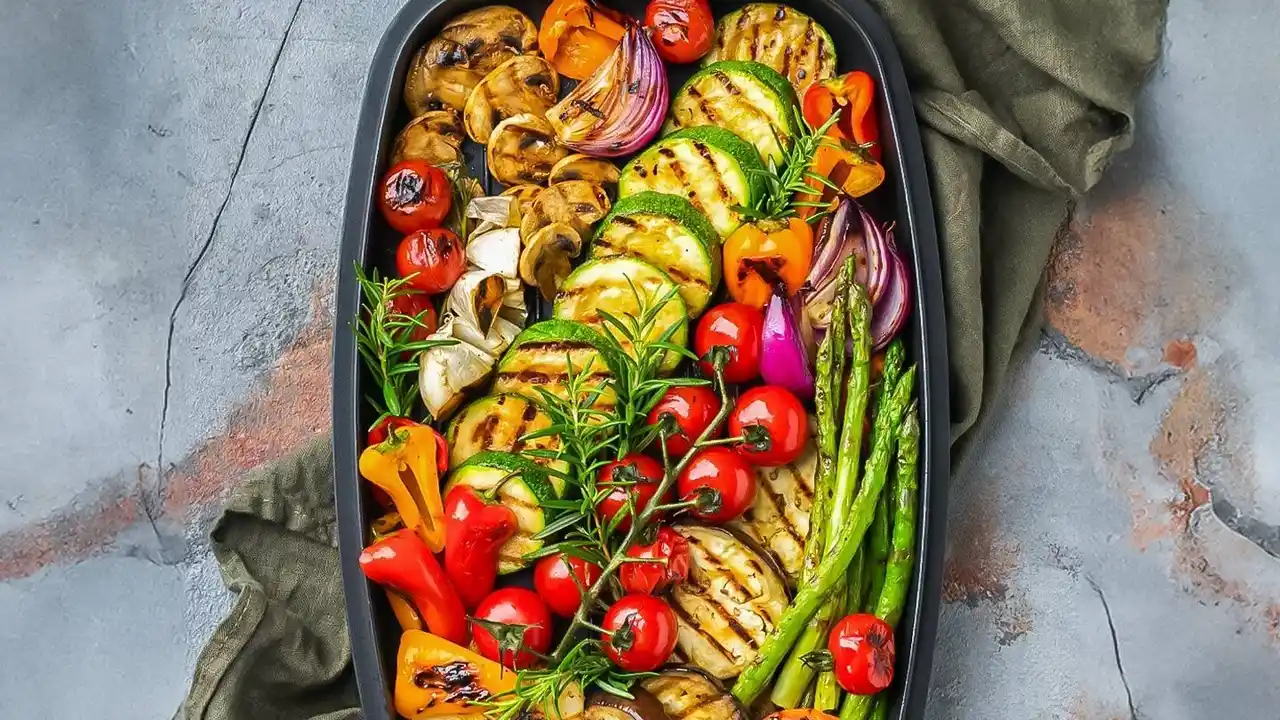
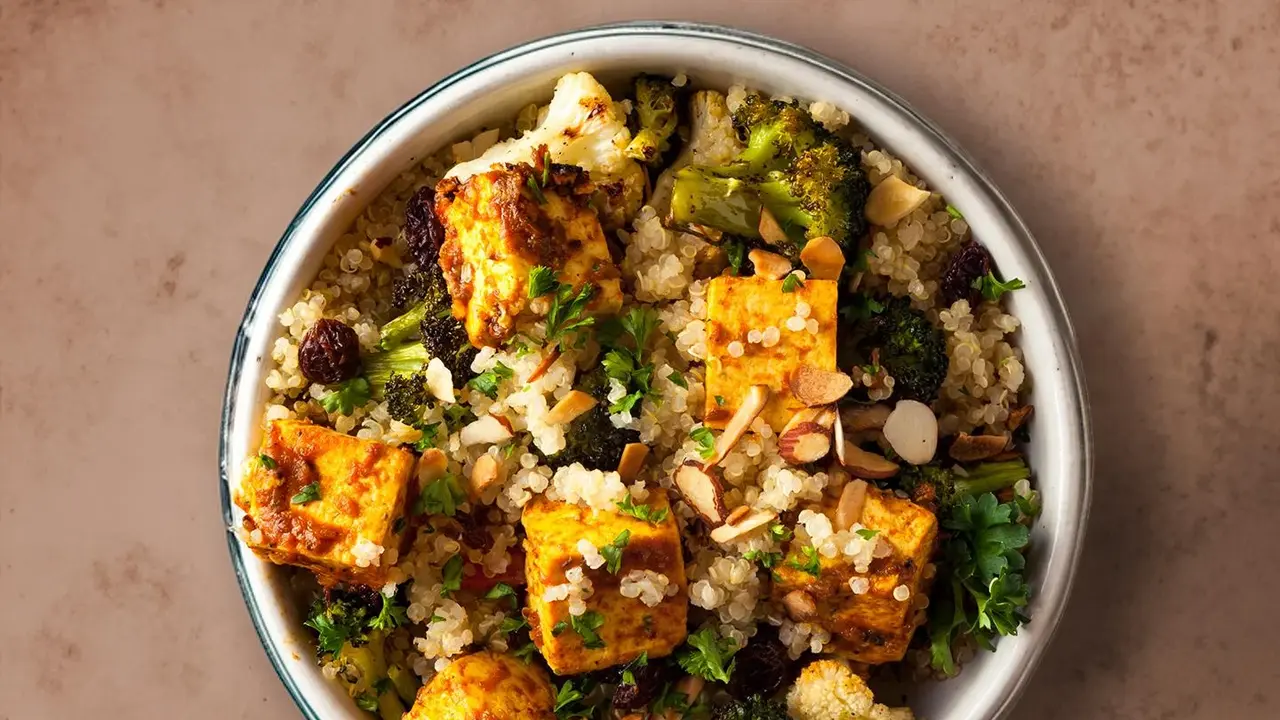
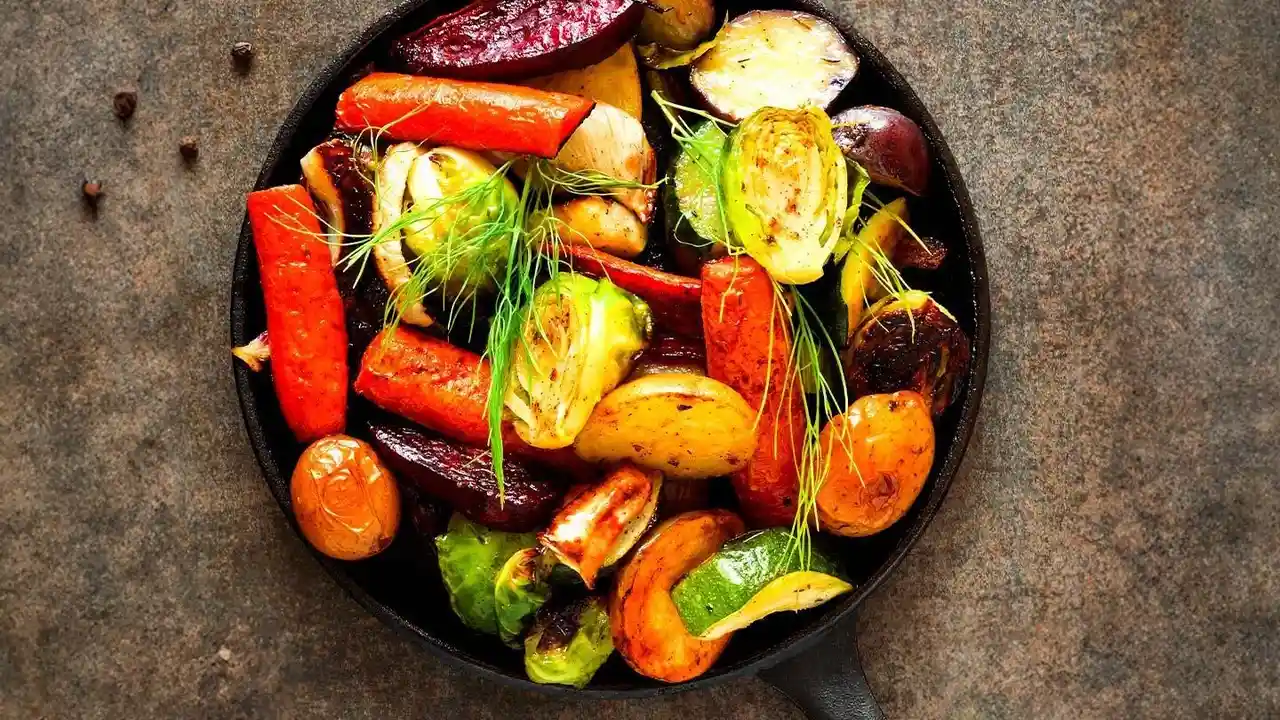
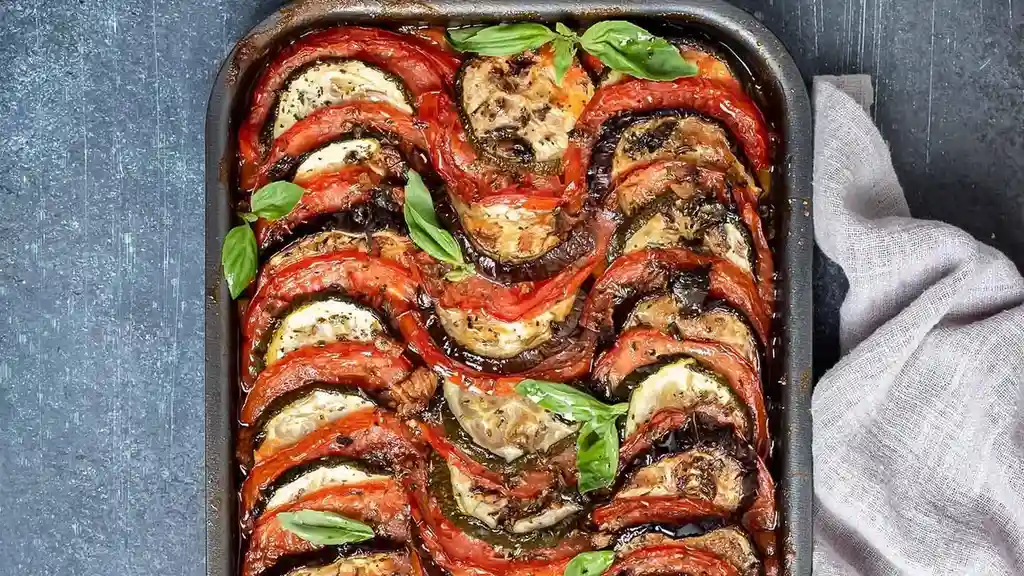
The most popular star of the one-pan trend is the humble sheet pan. The technique is simple: toss your ingredients with oil and seasonings, spread them on a baking sheet, and let the oven do the work. This method is perfect for achieving deliciously caramelised vegetables and crispy proteins. Imagine roasted broccoli, sweet potatoes, and chickpeas tossed in spices, or a colourful mix of bell peppers and onions with seasoned paneer or tofu. For a Mediterranean feel, you can roast tomatoes, broccolini, and onions alongside cubes of feta cheese until the vegetables are tender and the cheese is creamy. The key is to chop ingredients to a similar size for even cooking and to avoid overcrowding the pan, which can steam the food instead of roasting it.
Beyond the Pan: Skillet and Pot Wonders
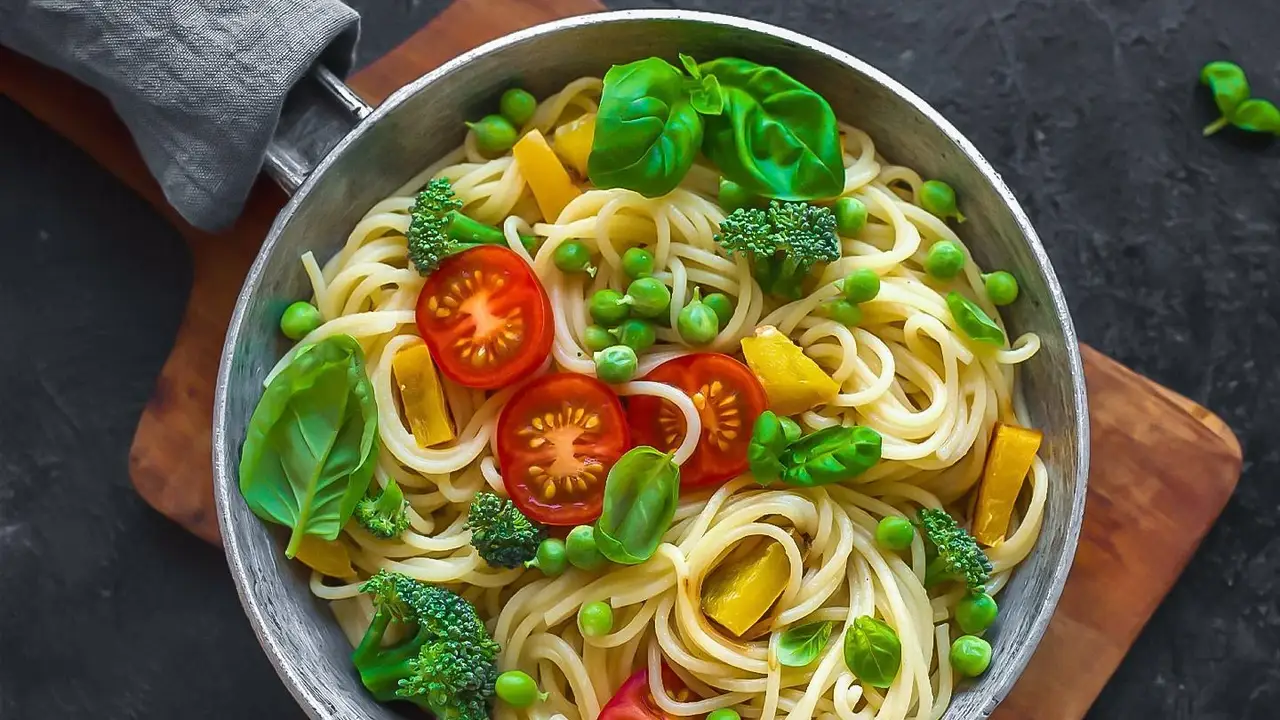
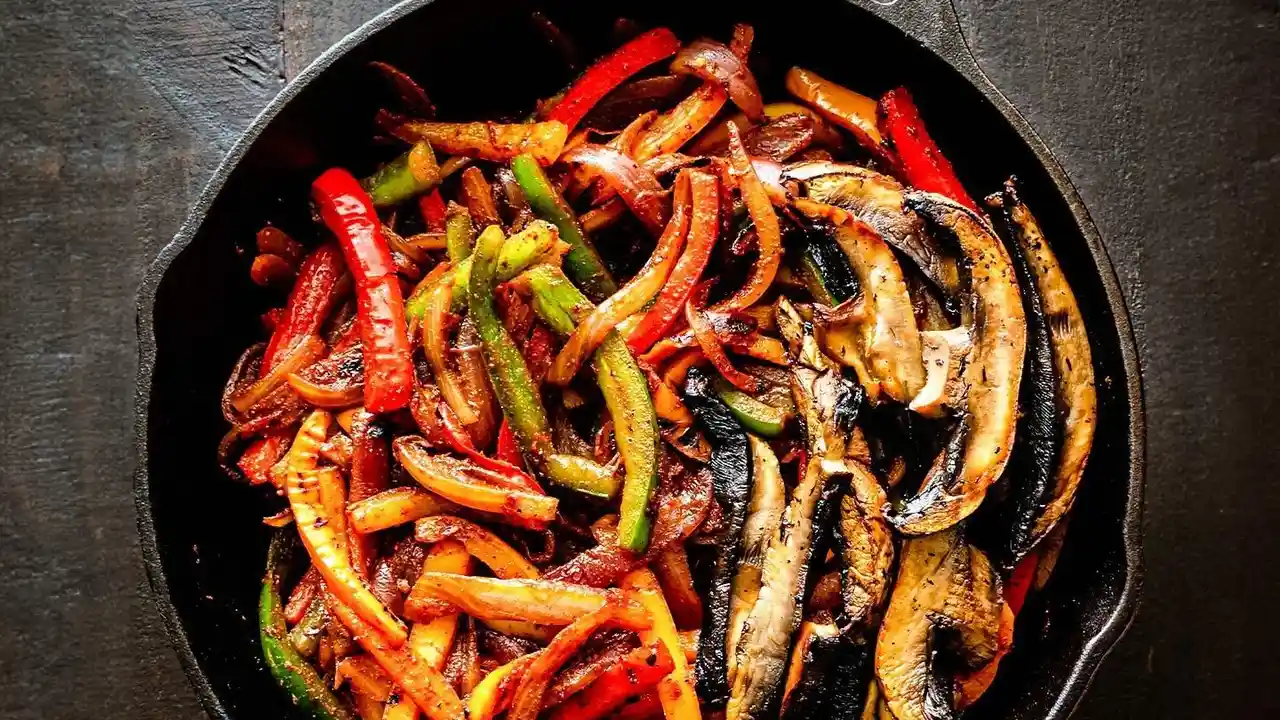
While sheet pans are fantastic, the one-pan universe extends to skillets and pots. A single skillet can be used to create everything from a hearty vegetarian taco skillet with beans and quinoa to a dish of pan-fried gnocchi with vegetables that doesn't require pre-boiling. One-pot pastas, where the pasta cooks directly in the sauce alongside vegetables, are another game-changer. For those who love Indian cuisine, many classics are naturally one-pot meals. Dishes like Vegetable Pulao, a fragrant rice and vegetable dish, or Khichdi, a comforting mix of rice and lentils, are perfect examples of how this trend has deep roots in traditional cooking. These stovetop methods offer a different kind of flavour development, perfect for creating rich sauces and integrated meals in 30 minutes or less.
A Simple Formula for Success
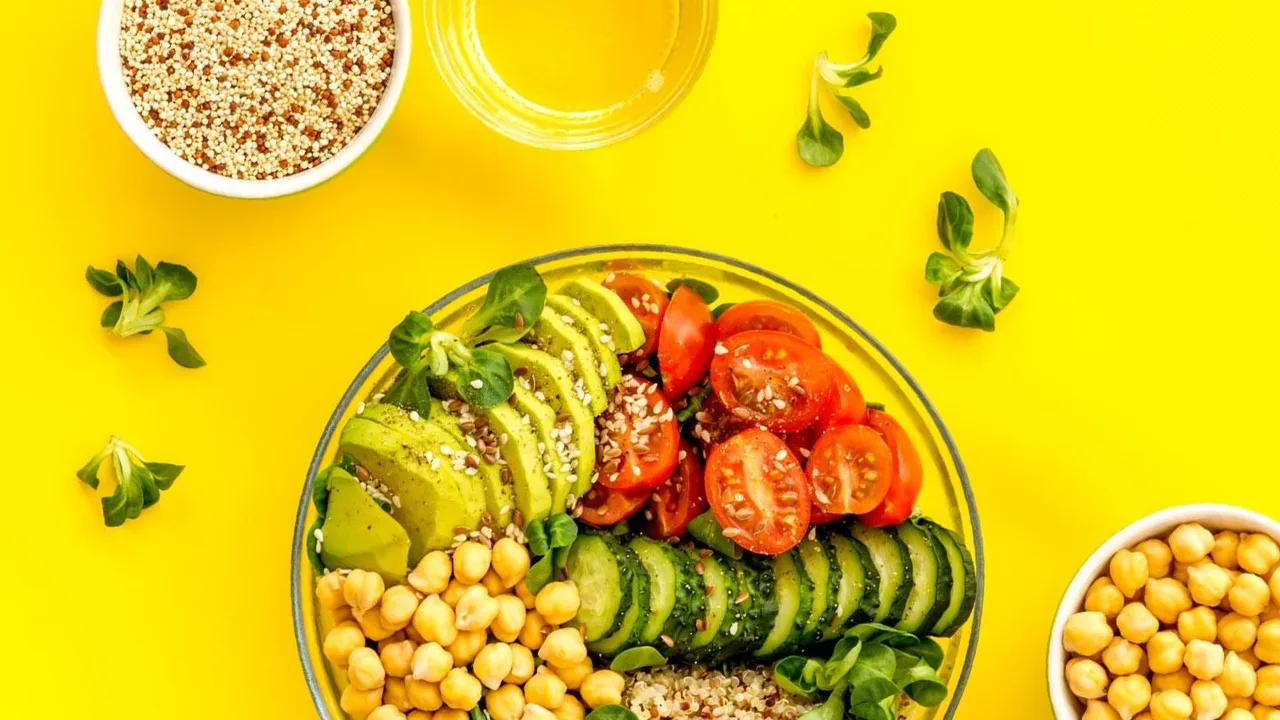
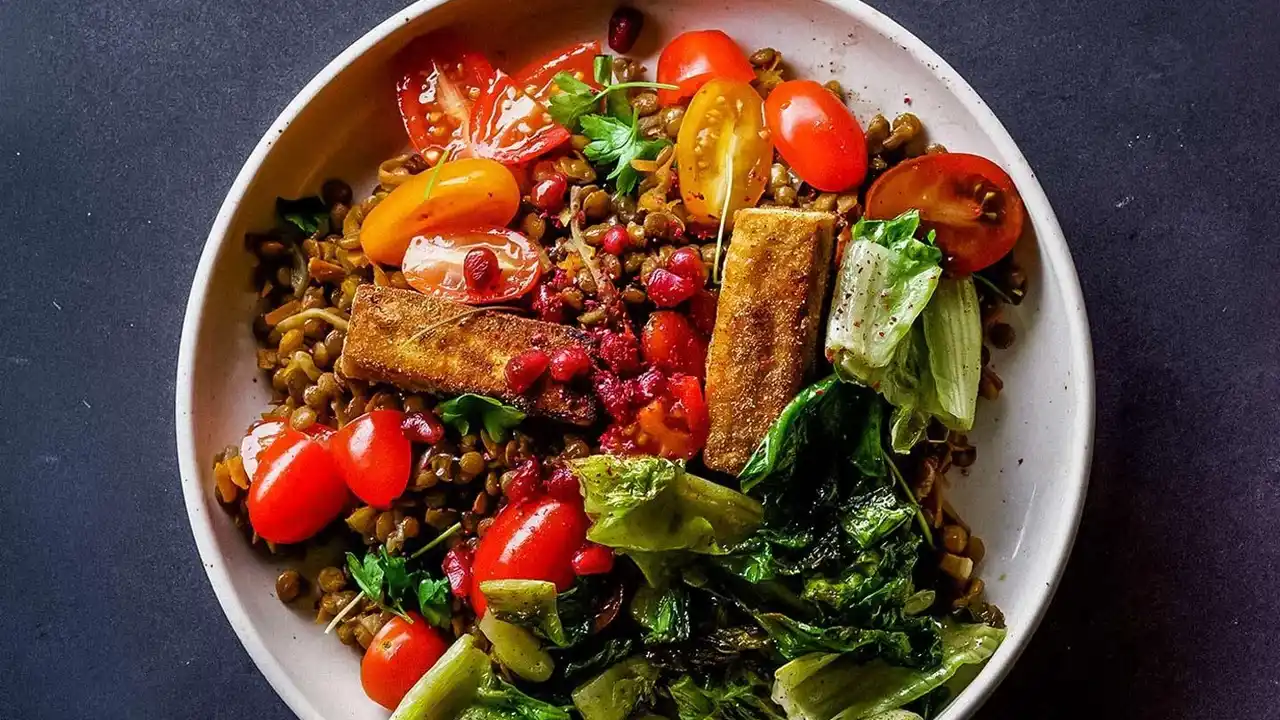
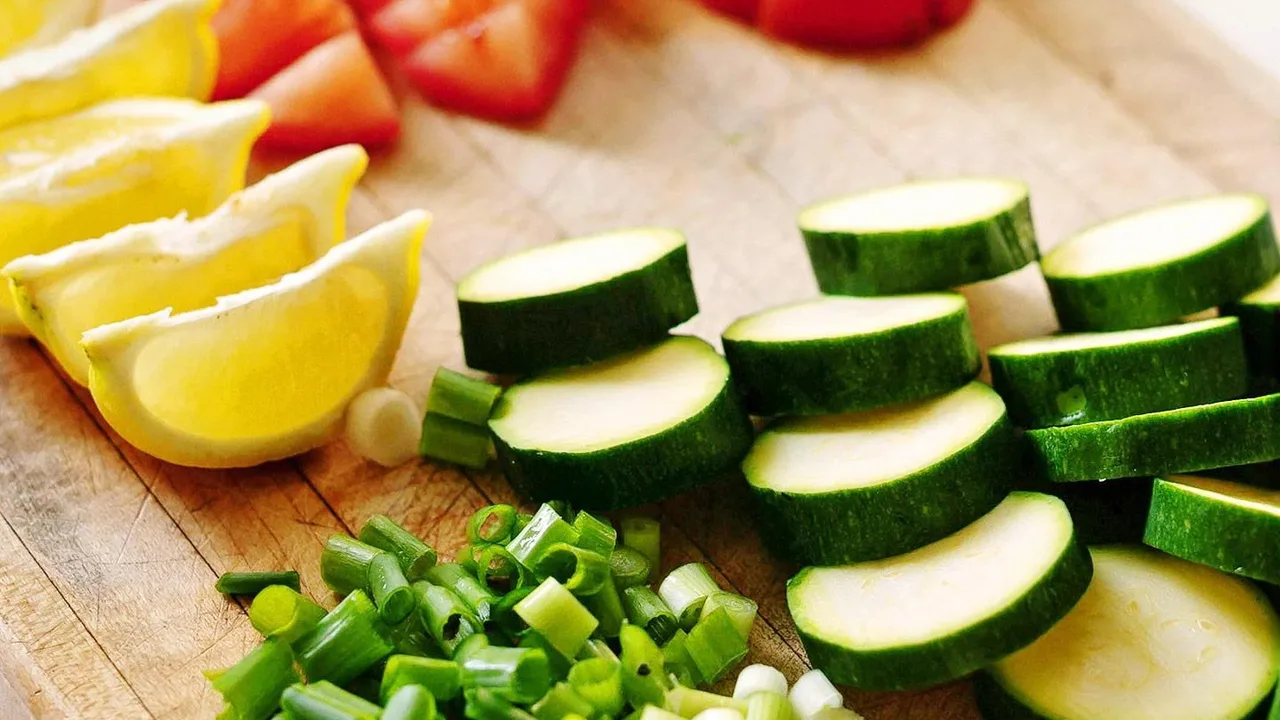
You don't need a specific recipe to master one-pan meals. Instead, follow a basic template. First, choose your vegetables; hearty options like carrots, potatoes, and cauliflower need more cooking time, while softer ones like bell peppers, zucchini, and spinach cook quickly. Next, add a plant-based protein such as chickpeas, lentils, tofu, or paneer. A starch can be included, like tossing gnocchi or potatoes right onto the pan. Finally, tie it all together with a flavourful sauce or a generous amount of seasoning. Think Tandoori-spiced tofu and vegetables, maple-balsamic tempeh with Brussels sprouts, or a simple combination of olive oil, garlic, and herbs. This mix-and-match approach allows for endless creativity using ingredients you already have.