

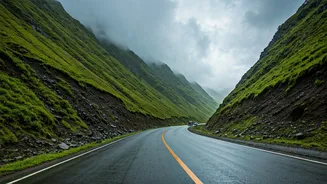



The Allure of the Monsoon Reel
Every year, as the rains arrive, a familiar pattern emerges online. Feeds are flooded with videos of spontaneous road trips, couples dancing in downpours, and drones soaring over newly green landscapes. These posts, often set to trending music, create
a powerful sense of FOMO (fear of missing out), glamorizing monsoon travel as an aesthetic pursuit. Destinations in Himachal Pradesh, Uttarakhand, and the Western Ghats become stars of these short videos. However, this content frequently decouples the beauty of the rain from its inherent dangers. The 'perfect shot' often involves venturing to precarious cliff edges, swollen rivers, or remote waterfalls, creating an illusion of safe, accessible adventure that can be dangerously misleading. Influencers, in their quest for viral content, may not see it as their duty to communicate safety warnings, presenting a polished version of their experience that omits the potential hazards.
When Reality Hits: The Danger Behind the Filter
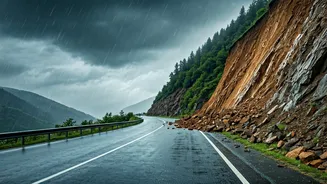
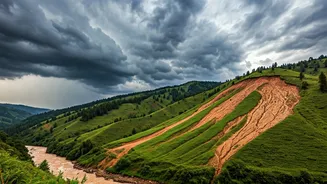
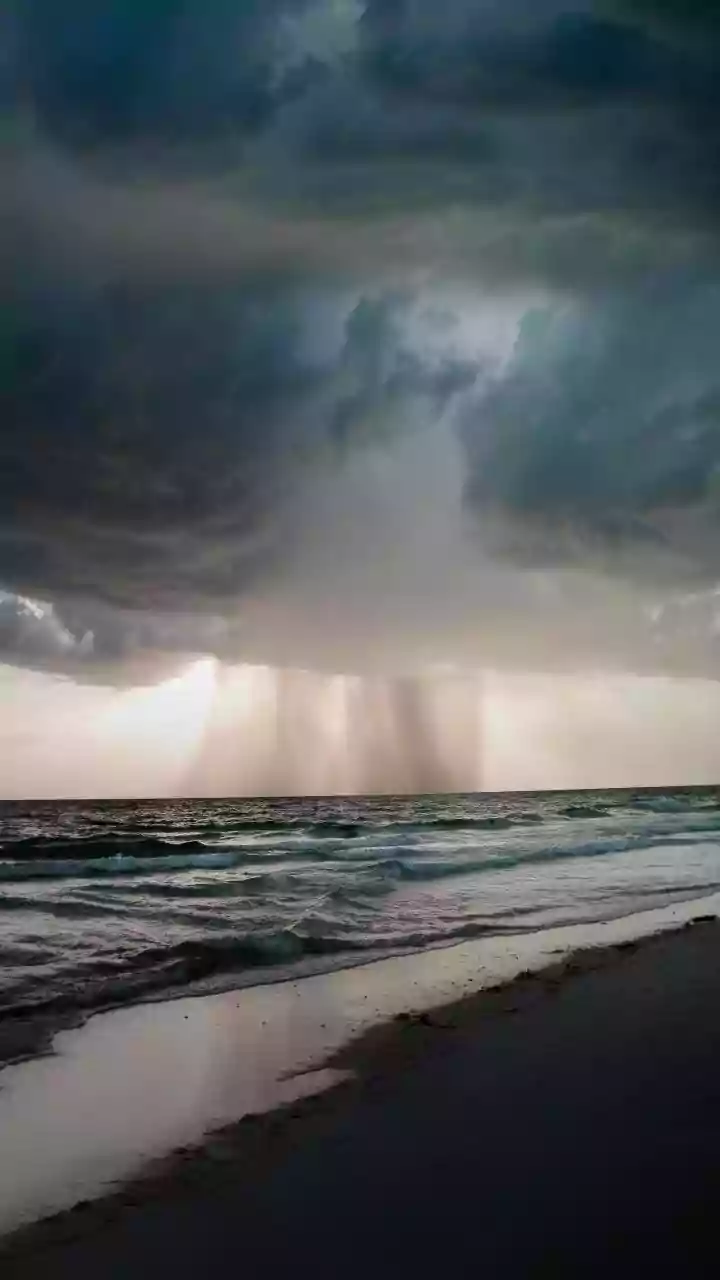
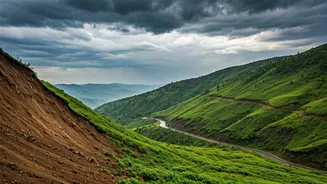
The reality on the ground during heavy monsoons is often far from a dreamy Reel. In recent days, relentless rains have battered states like Uttarakhand and Himachal Pradesh, leading to significant travel disruptions. The Badrinath National Highway, a key artery for the Char Dham pilgrimage, was recently blocked at the notorious Sirobagad slide zone, leaving hundreds of vehicles and thousands of pilgrims stranded. Similarly, in Himachal Pradesh, five deaths were reported in separate rain-related incidents, and around 30 pilgrims were stranded in Chamba after flash floods washed away a temporary bridge. Local authorities in these states have repeatedly urged tourists to avoid venturing near swollen rivers and landslide-prone areas, a warning that often goes unheeded in the pursuit of a selfie. These incidents are a stark reminder that monsoon beauty carries immense power, and underestimating it based on filtered social media portrayals can have severe consequences.
Your Official Safety Toolkit
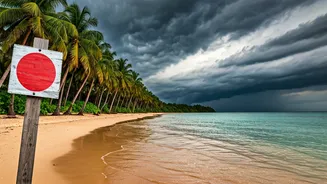
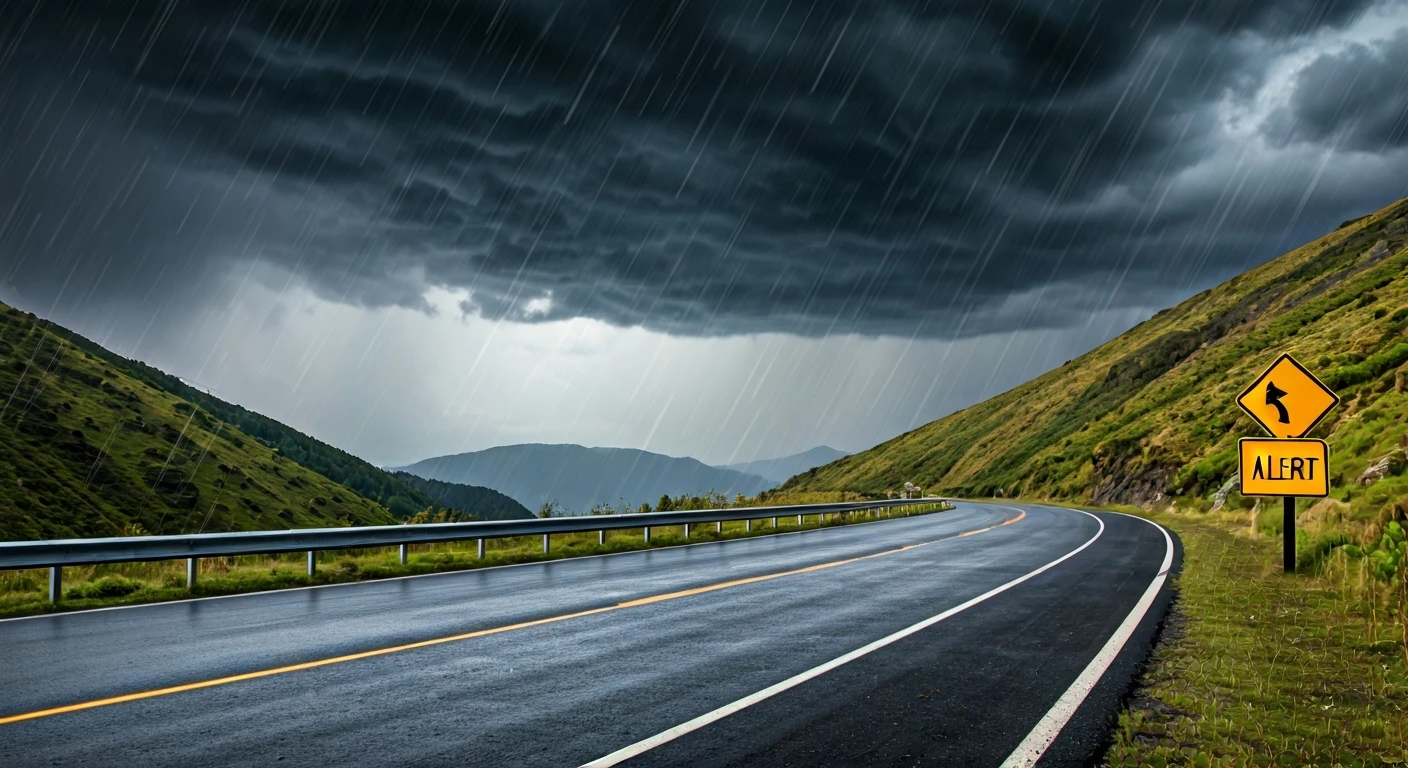
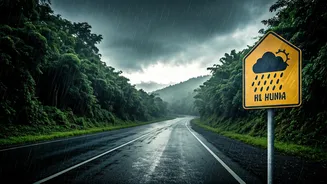
So how does one travel safely and responsibly? The answer lies in shifting our primary source of information from social media to official channels. The India Meteorological Department (IMD) is the primary agency for weather forecasting and warnings. The IMD uses a colour-coded alert system—Green (no warning), Yellow (be updated), Orange (be prepared), and Red (take action)—to communicate the severity of expected weather. These alerts, issued for specific districts, provide crucial information on heavy rainfall, thunderstorms, and potential disruptions. For broader disaster management, the National Disaster Management Authority (NDMA) and its state-level counterparts (SDMAs) issue advisories, especially for those in vulnerable areas or planning travel. Following the social media handles of state police and disaster management authorities can also provide real-time updates on road closures and safety guidelines.
A Call for Smarter Travel
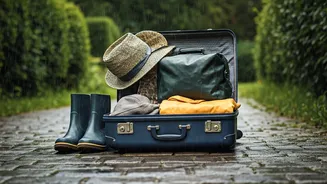
This isn't an argument against monsoon travel. The season's beauty is undeniable and should be enjoyed. It is, however, a call for a fundamental shift in our travel mindset. Before booking that stay or starting that drive, the first step should be to check the official IMD and NDMA advisories, not just to scroll through Instagram hashtags. Planning a trip with buffer days, having flexible cancellation options, and packing an emergency kit are practical steps that acknowledge the unpredictability of the season. Choosing lower-elevation destinations or routes known to be more stable can also significantly reduce risk. Making informed decisions based on reliable data isn't about fear; it's about empowerment. It allows you to appreciate the monsoon's splendor without becoming a victim of its fury. The most memorable trip is a safe one, and that starts with valuing official alerts far more than fleeting online trends.