





Tyres and Brakes: Your Grip on Safety
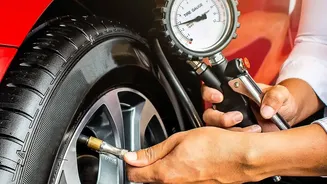
Your car's only contact with the road is its tyres, making them the most critical component for monsoon driving, especially on winding hill roads. Wet surfaces drastically reduce grip, and worn tyres increase the risk of skidding or hydroplaning. Before
your trip, ensure your tyres have a tread depth of at least 3mm for effective water channelling. Also, check the tyre pressure when cold, including the spare. Incorrect pressure affects handling and braking. Brakes are equally vital. Listen for any squeaking or grinding noises, which could indicate worn brake pads. If braking feels spongy or the car pulls to one side, get the system inspected by a professional immediately. Remember, after driving through a large puddle, tap the brakes lightly a few times to dry them out and restore normal performance.
Visibility is Key: Wipers and Lights
Heavy rain and fog are hallmarks of a monsoon hill trip, making visibility a constant challenge. Your wiper blades are your first line of defence. After a hot summer, rubber blades often become hard and cracked, causing streaking instead of clearing the windscreen. If your wipers judder, squeak, or leave smears, replace them. Top up your windshield washer fluid with a proper solution, not just water, as it helps clear oily road grime. Ensure all your car’s lights are working perfectly—headlights, taillights, brake lights, and indicators. Clean the lenses, as a foggy or yellowed headlight can significantly reduce light output. In poor visibility, functioning lights are crucial for you to see the road and for other drivers to see you.
Under the Hood: Engine and Fluids
A reliable engine is the heart of a stress-free road trip. A few simple checks can prevent major breakdowns. Start by inspecting the engine oil level and condition using the dipstick. Similarly, check the coolant, which is vital for preventing the engine from overheating, especially during slow, uphill climbs. Ensure your brake fluid, power steering fluid, and transmission fluid are all at their recommended levels. A weak or old battery is another common culprit for breakdowns, and it's more likely to fail in the damp monsoon weather. Check the battery terminals for any corrosion (a white, powdery deposit) and ensure the connections are tight. If your battery is over three or four years old, it's wise to have it professionally tested before you leave.
The Cabin Comfort and Demisting
During the monsoon, the inside of your windshield can fog up in seconds due to the temperature and humidity difference, creating a dangerous blind spot. Your car's air conditioning (AC) system is the best tool for demisting. Before you travel, check that your AC is cooling effectively. If it’s weak, the refrigerant may need a top-up. Test the defogger vents for both the front and rear windscreens. Also, check the cabin air filter; a clogged filter can reduce airflow and lead to a musty smell inside the car. It's also a good idea to check the rubber seals around your doors and windows for any cracks or damage to prevent water from leaking into the cabin.
Be Prepared: Your Monsoon Emergency Kit
Even with the best preparation, things can go wrong. A well-stocked emergency kit can be a lifesaver. Your kit should include a few essential items tailored for the monsoon. Pack a tow strap, jumper cables, a reliable flashlight with extra batteries, and a basic toolkit. A first-aid kit is non-negotiable. Add a couple of large, dry towels or microfibre cloths, an umbrella, and a raincoat. It's also smart to carry a power bank for your phone, some drinking water, and non-perishable snacks in case you're stranded for a few hours. Finally, have the phone numbers for roadside assistance and your insurance provider saved and easily accessible.