




A Shift from Monopoly to Marketplace
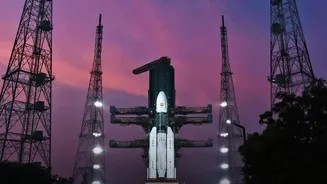
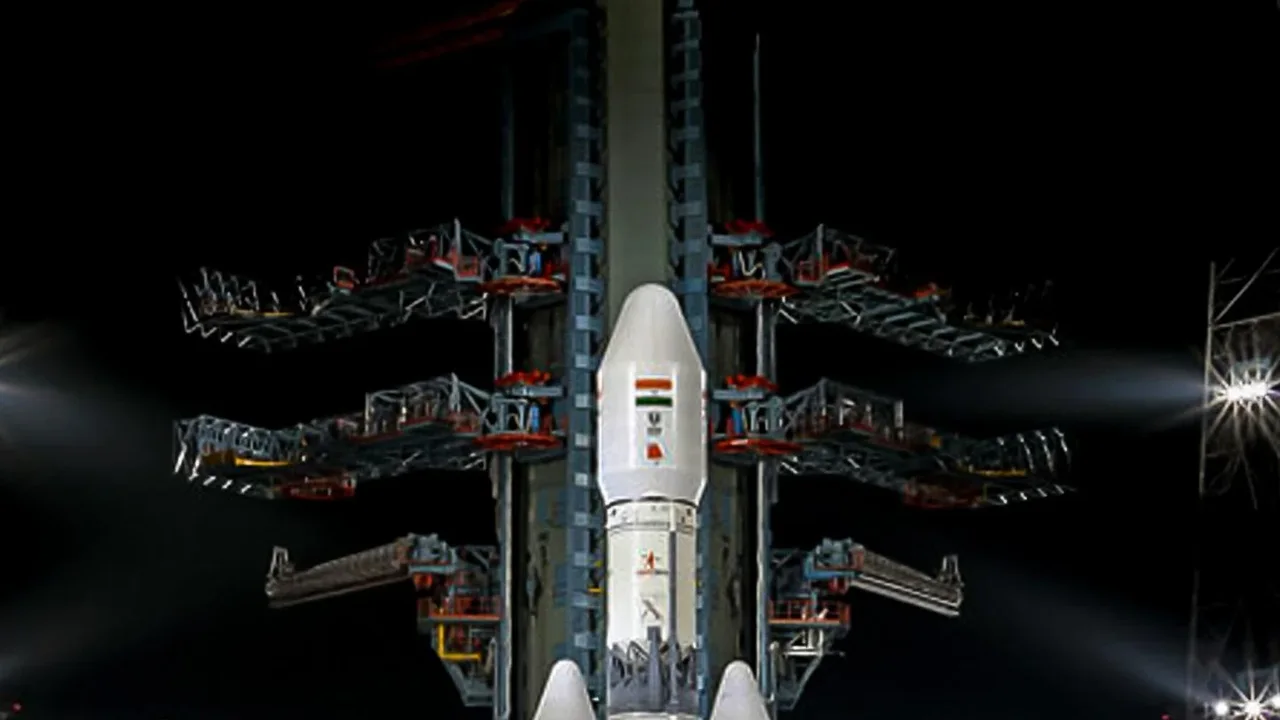
For decades, a career in India's space sector meant one thing: securing a coveted position at the Indian Space Research Organisation (ISRO). But a seismic shift is underway. The government's space reforms, particularly the Indian Space Policy of 2023
and the creation of the Indian National Space Promotion and Authorisation Centre (IN-SPACe), have dismantled the old government-led model. IN-SPACe acts as a single-window agency to facilitate and authorise the activities of private companies, transforming the sector from a state monopoly into a vibrant marketplace. The goal is to allow ISRO to focus on advanced research and deep space exploration, while private industry drives manufacturing and commercial services at scale. This has opened the floodgates for private enterprise, with the number of registered space startups soaring from just a handful before 2020 to over 450 today.
The Rise of the Startup Ecosystem
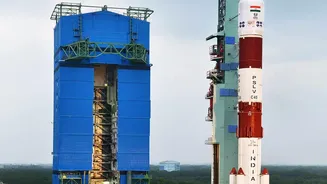
The new policy landscape has catalysed a startup boom. Companies like Skyroot Aerospace, which launched India's first private rocket, Agnikul Cosmos, Pixxel, and Dhruva Space are now major players, building everything from launch vehicles to satellite constellations. This private-sector surge is projected to grow India's share of the global space economy from 2% to 8% by 2033, expanding the industry's value to an estimated $44 billion. This rapid expansion has created thousands of new high-skilled jobs and even triggered a talent migration from ISRO to these agile new ventures. For young professionals, this means career paths are no longer limited to government roles; they now include dynamic, fast-paced environments in startups that are pioneering new technologies.
More Than Just Rocket Science
The most significant change for job seekers is the diversification of roles. While aerospace and propulsion engineers remain central, the fastest-growing opportunities are in new domains. One of the biggest areas is satellite data analytics. Companies are using Earth observation data for everything from agriculture and climate monitoring to urban planning and insurance, creating huge demand for data scientists, GIS analysts, and AI/ML engineers who can interpret this information. Other emerging careers include aerospace software engineering, where experts in Python and C++ build the flight systems and mission control software that are the brains of modern spacecraft. The sector also needs specialists in robotics, cybersecurity, space law, policy analysis, and even finance as investment pours in.
Skills for a New Frontier
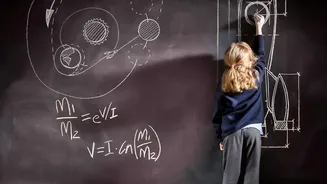
This evolving landscape requires a new mix of skills. A strong foundation in engineering, physics, and mathematics is still crucial. However, employers are increasingly looking for professionals who can work across disciplines. An engineer who also understands machine learning or a data scientist with knowledge of orbital mechanics is incredibly valuable. Technical skills in Python, MATLAB, C++, and embedded systems are now widely applicable across both hardware and software roles. Beyond technical know-how, the startup ecosystem values systems thinking—the ability to understand how complex subsystems fit together—and a hands-on, problem-solving mindset. As private companies compete globally, skills in business development and project management are also becoming essential.
Global Investment and Opportunity
To accelerate this growth, India has liberalised its Foreign Direct Investment (FDI) policy, now allowing up to 100% FDI in the manufacturing of satellite components and easing rules for launch vehicles and other areas. This policy is designed to attract investment from global space giants and integrate Indian companies into the international supply chain. For young professionals, this means more opportunities to work with international firms, access the latest technologies, and gain experience that meets global standards. The influx of foreign capital is expected to further boost job creation and help establish more manufacturing and research facilities within India.