

The Royal Procession: Mysore Dasara
In Mysore, Dussehra, or 'Dasara', is the state festival of Karnataka, a 10-day affair steeped in royal history. The entire city transforms, but the main attraction is the Mysore Palace, which is illuminated by nearly 100,000 bulbs every evening, creating
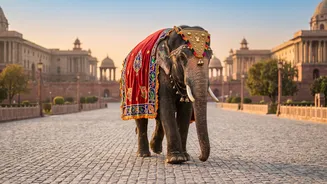
a breathtaking sight. The festival's pinnacle is the 'Jamboo Savari' or Elephant Procession on Vijayadashami, the final day. A decorated elephant carries the idol of the goddess Chamundeshwari in a 750-kg golden howdah through the city streets, accompanied by dance troupes, music bands, and decorated camels and horses. The celebration concludes with a torchlight parade at the Bannimantap grounds, featuring military-style drills and fireworks. For travellers, it’s a chance to witness a living tradition that has continued for over four centuries.
The Theatrical Epic: Delhi's Ramlila
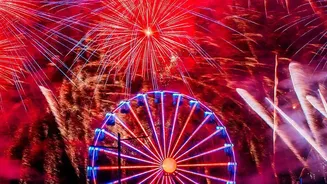
In North India, Dussehra commemorates Lord Rama's victory over the demon king Ravana. Delhi becomes the epicentre of 'Ramlila'—a dramatic folk re-enactment of the Ramayana. These performances are held across the city for several nights leading up to Dussehra. The most famous ones are staged at the Ramlila Maidan and the Red Fort grounds, drawing massive crowds. These are grand productions, sometimes featuring professional actors, multi-storey stages, and modern special effects. The festivities culminate on Dussehra, October 20, 2026, with the 'Ravan Dahan', where towering effigies of Ravana, his brother Kumbhakarna, and son Meghnad are set ablaze, followed by a spectacular fireworks display. The atmosphere is that of a massive fair, with food stalls and amusement rides completing the experience.
A Divine Congregation: Kullu Dussehra
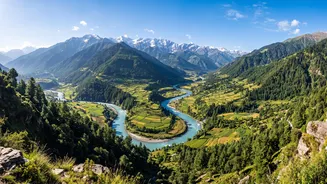
For a completely different flavour, head to the hills of Himachal Pradesh. Kullu Dussehra is a week-long international folk festival that begins on Vijayadashami, the day the festival ends elsewhere in the country. It's not about Ravana's effigies but is instead a grand congregation of hundreds of local deities. Idols from villages across the valley are carried on ornate palanquins to the Dhalpur ground in Kullu to pay respect to Lord Raghunath, the principal deity. The main event is the 'Rath Yatra', where the chariot of Lord Raghunath is pulled by devotees. The festival is a vibrant mix of religious devotion, folk music, Nati dance performances, and local commerce, showcasing the region's unique cultural heritage. The closing ceremony involves the burning of a pile of thorn bushes on the banks of the Beas river, symbolising the burning of Lanka.
The Artistic Farewell: Kolkata's Vijayadashami
In West Bengal, the final day of Durga Puja is celebrated as Vijayadashami, which coincides with Dussehra. The preceding days are a city-wide art festival, with neighbourhoods competing to create the most elaborate 'pandals' (temporary structures) to house stunning idols of Goddess Durga. On Vijayadashami, the celebrations reach a poignant and beautiful climax. The day marks the goddess's departure to her celestial abode. Married women participate in 'Sindoor Khela', smearing vermilion powder on each other and on the idol. This is followed by grand processions where the clay idols are taken to the ghats of the Hooghly river for immersion ('visarjan'). It's a deeply emotional yet spectacular sight, as thousands of devotees bid farewell to the goddess amidst chanting and drum beats.
The Tribal Tradition: Bastar Dussehra
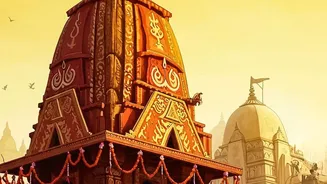
Perhaps the most unique celebration in India is the Bastar Dussehra in Chhattisgarh, which is the longest festival in the world, lasting for 75 days. Its traditions are over 600 years old and do not involve the story of Rama and Ravana. Instead, the festival is dedicated to Goddess Danteshwari, the region's presiding deity, and involves a fascinating blend of tribal rituals and reverence for nature. The festival includes unique ceremonies like 'Pat Jatra' (worship of wood for the chariot), 'Kachan Gadi' (where a young girl on a swing of thorns grants permission for the festival), and 'Jogi Bithai' (a yogi's nine-day penance in a pit). The highlight is the 'Rath Parikrama', where a massive, double-decked chariot, built by the local tribes, is pulled by devotees through Jagdalpur. This Dussehra offers a deep dive into ancient, earth-centric traditions unlike any other.