






The Urban Weather Challenge
Dressing for the shift between seasons in an Indian city is a unique challenge. One moment you are navigating a humid commute, the next you are in a heavily air-conditioned office. Unexpected rain showers can follow a sunny morning, and cool evenings
can quickly replace warm afternoons. This fluctuation makes getting dressed complicated. A wardrobe built for distinct summer or winter weather often fails during these transitional periods, leaving you feeling either too warm or unprepared for a sudden chill. It is a daily puzzle that requires a more flexible approach to clothing.
What is a Transitional Capsule Wardrobe?
Enter the transitional capsule wardrobe. The concept is simple: a curated collection of versatile, high-quality essentials that can be mixed and matched to create multiple outfits. Instead of having separate clothes for every micro-season, a capsule wardrobe focuses on adaptable pieces that work together. This isn't about extreme minimalism, but about intentional selection. The goal is to own fewer, better items that you love to wear, making it easier to get dressed while reducing closet clutter and decision fatigue. It is a sustainable approach that moves away from fast fashion.
Foundation: It All Starts with Fabric
For transitional dressing in India, fabric choice is more important than anything else. The key is to prioritise materials that are breathable and quick-drying. Lightweight cotton, linen, rayon, viscose, and modal are your best friends. These fabrics don't trap heat and can handle the humidity that often lingers between seasons. Fine cotton, in particular, is a reliable choice as it absorbs some moisture without feeling heavy and dries relatively fast. Avoid heavy materials like thick denim, velvet, or polyester, which can feel oppressive in humid conditions and take too long to dry if you get caught in a sudden downpour.
Essential Piece 1: The Lightweight Layer
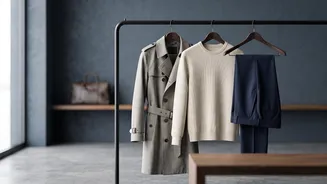
A lightweight jacket or overshirt is the hero of any transitional wardrobe. Think of a classic denim jacket, a cotton bomber, a tailored overshirt, or even an unlined blazer. This single piece allows you to adapt instantly to changing temperatures. Wear it during your cool morning commute and take it off as the day warms up. A lightweight layer is also perfect for dealing with aggressive office air conditioning. The key is that it should be easy to carry, fold, and add or remove without feeling bulky. A simple shrug or a beautifully printed scarf can also serve a similar purpose, adding a layer of warmth and style.
Essential Piece 2: Versatile Kurtas & Tunics
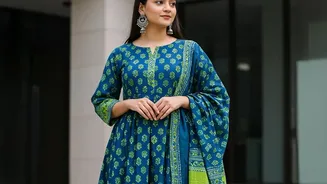
The kurta is a naturally versatile garment, perfectly suited for transitional weather. A well-made cotton or linen kurta can be styled in numerous ways. For warmer days, wear it on its own. When it gets cooler, layer it over a simple tee or pair it with a light jacket. Shorter kurtis or tunics paired with ankle-length trousers are particularly practical, offering a polished look that keeps you comfortable. Choosing kurtas in neutral or complementary colours makes them easier to mix and match with other pieces in your capsule.
Essential Piece 3: Smart, Breathable Bottoms
Your choice of bottoms can make or break your comfort. During transitional periods, opt for silhouettes that allow for airflow. Wide-leg trousers, culottes, straight-cut palazzos, and ankle-length pants in fabrics like cotton or linen blends are excellent choices. They are comfortable for long hours and prevent the sticky, uncomfortable feeling that can come with fitted bottoms in humid weather. While jeans are a staple, consider lighter denim or chambray styles that are less heavy and restrictive.