


Wander Through Historic North Kolkata
A walk through North Kolkata is a journey back in time. This part of the city, encompassing areas like Sovabazar and Shyambazar, is the historic core of Bengali aristocracy. The landscape is a captivating maze of narrow lanes, flanked by grand, ageing
mansions known as 'bonedi baris'. Start your exploration at Sovabazar Rajbari, a mansion known for its impressive architecture and for starting one of the city's oldest Durga Pujas in 1757. As you meander through the lanes, notice the intricate cast-iron balconies, traditional courtyards (Thakur dalans), and heavy wooden doors that whisper tales of a bygone era. This area isn't just about static monuments; it's a living museum where the past and present coexist, offering a profound glimpse into the cultural roots of the city.
Witness Art in the Making at Kumartuli
A short distance from Sovabazar lies Kumartuli, the traditional potters' quarter that is the artistic soul of Kolkata. For generations, artisans known as 'kumors' have been sculpting magnificent clay idols of Hindu deities in these modest workshops lining the Hooghly River. While the area is active year-round, the months leading up to Durga Puja (typically July to October) are electric with creative energy. Visitors can witness the entire idol-making process, from the crafting of bamboo and straw frames to the application of clay from the sacred river and the final, intricate painting. Walking through these lanes offers an unparalleled cultural experience and a chance to see the devotion and skill that fuel Kolkata's biggest festival. Remember to be respectful, as these are active workplaces; always ask for permission before taking photographs.
Immerse Yourself in College Street's Literary World
No cultural tour of Kolkata is complete without a visit to College Street, affectionately known as 'Boi Para' or the 'Book Neighbourhood'. It is famed for being the largest second-hand book market in the world, a kilometre-long paradise for bibliophiles. The street is lined with countless makeshift stalls and historic bookshops, where you can find everything from academic textbooks and rare collectibles to the latest bestsellers. The area's intellectual spirit is palpable, anchored by prestigious institutions like Presidency University and the University of Calcutta. After browsing through stacks of books, follow tradition by stepping into the Indian Coffee House. For decades, this iconic establishment has been a hub for impassioned discussions among students, poets, and thinkers, making it the perfect spot to soak in the area's intellectual atmosphere.
Step into the Legacy of the Tagores
Jorasanko Thakur Bari, the ancestral home of Rabindranath Tagore, is a vital pilgrimage site for anyone interested in Bengali culture and history. Located in North Kolkata, this sprawling red-brick mansion is where the Nobel laureate was born and spent a significant part of his life. Today, the beautifully preserved home functions as the Rabindra Bharati Museum, offering a deep dive into the lives and contributions of the illustrious Tagore family, who were central to the Bengal Renaissance. The museum's galleries display a vast collection of paintings, manuscripts, personal belongings, and photographs that tell the story of not just a family, but a cultural revolution. Walking through its rooms and courtyards, you can almost feel the creative energy that once filled these halls, making it an essential and inspiring stop.
Explore the Colonial Heart at BBD Bagh
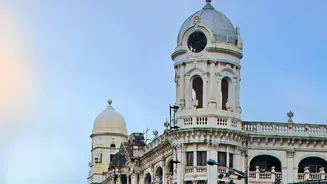
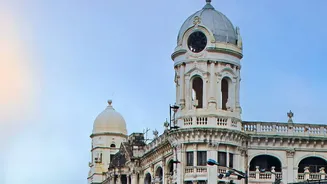
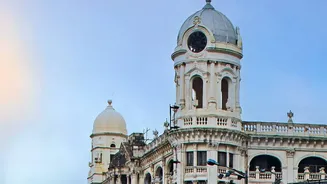
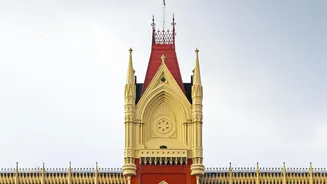
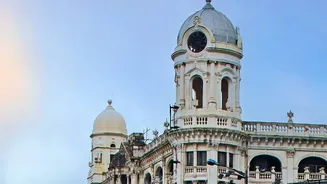
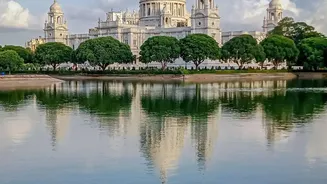
To understand Kolkata's past as the capital of British India, a walk around BBD Bagh (formerly Dalhousie Square) is essential. This area is a stunning concentration of colonial-era architecture, showcasing grand, neoclassical buildings that once formed the administrative core of the British Raj. Key landmarks include the iconic Writers' Building, the magnificent General Post Office (GPO), and the stately Raj Bhavan. While distinct from the Bengali culture of the northern neighbourhoods, this district is an inseparable part of the city's layered identity. A guided heritage walk can reveal the fascinating stories behind these stone facades, recounting tales of the East India Company, the struggle for independence, and the birth of modern Kolkata.