



Why Banana Peels Work Wonders
The humble banana peel is a powerhouse of nutrients that flowering plants absolutely love. Its primary claim to fame is potassium, a crucial element for overall plant health. Potassium helps regulate a plant's water intake, strengthens its stems, improves
disease resistance, and, most importantly for us, encourages the development of bigger, more vibrant flowers and fruits. But that's not all. Banana peels also provide smaller but significant amounts of phosphorus, which is essential for root development and energy transfer, as well as calcium and magnesium, which aid in cell wall formation and photosynthesis. Think of it as a gentle, all-natural multivitamin for your plants, turning your kitchen waste into a zero-cost treasure for your garden.
Before You Start: Prep Your Peels
You can't just toss a whole peel into a pot and expect miracles. A little preparation goes a long way in making the nutrients accessible to your plants and preventing potential problems like pests or rot. Start with organic banana peels if possible, to avoid introducing any pesticides into your soil. Give the peels a quick rinse under running water to remove any surface residue. Then, using a knife or scissors, chop the peels into small pieces, about one or two inches square. The smaller the pieces, the faster they will break down and release their nutrients into the soil.
Method 1: The 'Banana Tea' Soak
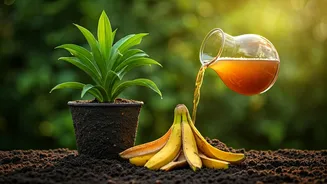
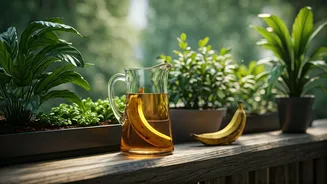
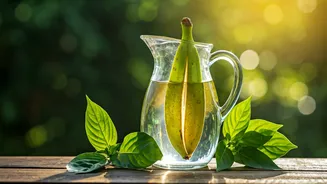
One of the easiest and most popular methods is to create a liquid fertilizer, often called 'banana tea'. It’s a great way to give your plants a quick nutrient boost.
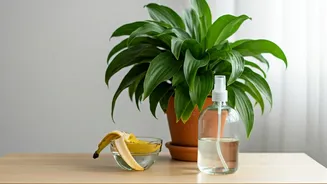
**How to do it:** Place your chopped banana peels into a large jar and fill it with water. Seal the jar and let it sit for two to three days. The water will turn slightly murky as it leaches the nutrients from the peels. After a few days, strain the liquid into another container. Dilute this 'tea' with an equal amount of fresh water (a 1:1 ratio) before using it to water your plants. You can use this liquid fertiliser once every two weeks during the growing season. The leftover mushy peels can be added to your compost bin.
Method 2: The Direct 'Chop and Bury'
This slow-release method feeds your plants over a longer period. It involves burying the peels directly into the soil.
**How to do it:** Take your small, chopped peel pieces and bury them about two to three inches deep in the soil of your pots, making sure to place them away from the main stem and roots of the plant to avoid causing root rot. As the peels decompose, they will slowly release their nutrients directly into the root zone. This is best done when you are repotting a plant, as you can mix the chopped peels into the bottom layer of the new potting mix. Be sure to bury them completely to avoid attracting fruit flies or other pests.
Method 3: The Dried Powder Punch
If you want a storable, mess-free option, turning your peels into a powder is the way to go. This creates a concentrated soil amendment you can use anytime.
**How to do it:** Lay your banana peels out on a tray in a sunny spot until they are completely dry, black, and brittle. In a humid climate, this might take a few days. You can speed up the process by baking them on a low heat in the oven until they are crisp. Once they are fully dried, you can crush them by hand or grind them into a fine powder using a coffee grinder or a mixie. Store this powder in an airtight container. To use, simply sprinkle a spoonful or two around the base of your plants once a month and water it in.
A Few Words of Caution
While banana peels are fantastic, they are not a complete fertilizer. They are high in potassium but low in nitrogen, which is essential for leafy growth. Think of them as a supplement, not a replacement for a balanced fertilizer or good quality compost. Also, be mindful of pests. Improperly buried peels can attract fruit flies and ants. If you notice any pests, it's best to switch to the 'banana tea' or powder method. Finally, moderation is key. Overdoing any fertilizer, even a natural one, can harm your plants. Start slow and observe how your plants respond.