








The Promise of Paperless Travel
In airports across India, facial recognition technology is rapidly becoming a familiar sight. The DigiYatra initiative aims to create a paperless, contactless, and seamless travel experience by allowing passengers to link their Aadhaar details, boarding
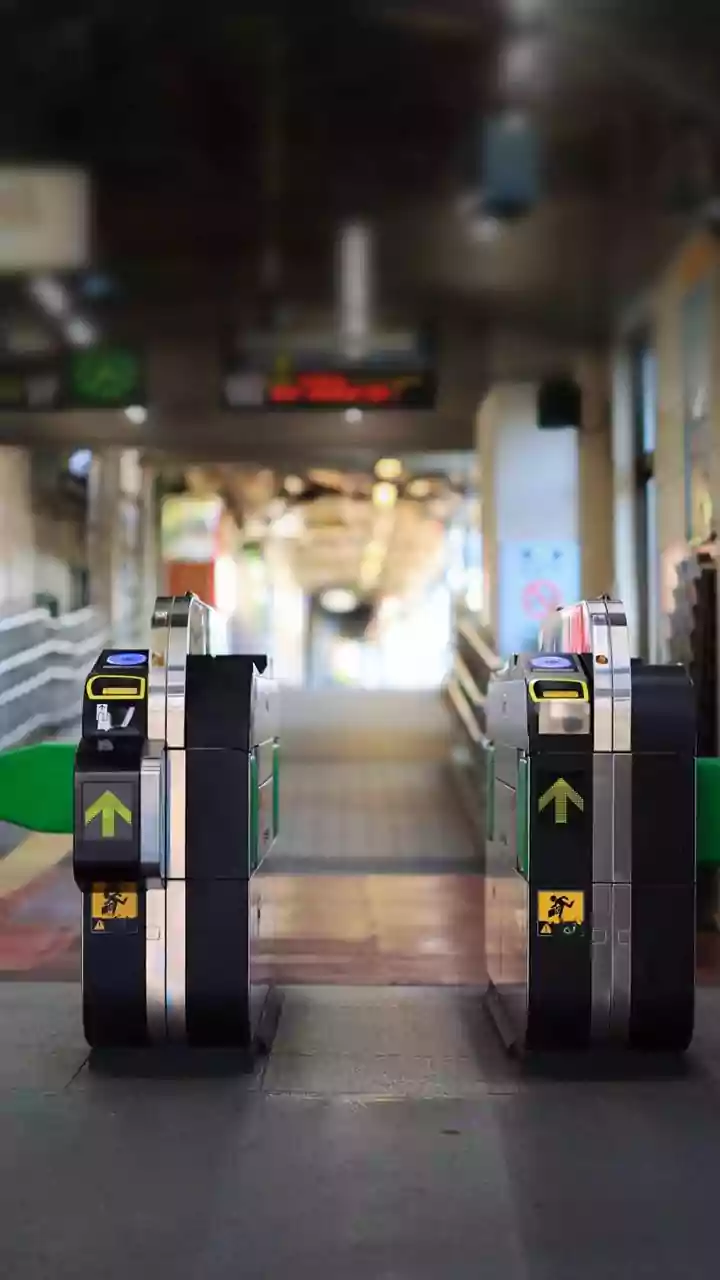
pass, and facial biometrics. In an ideal scenario, you register on an app, share your travel details, and then simply look at a camera at various checkpoints—from terminal entry to the boarding gate. The e-gates swing open, and you proceed without ever needing to show a physical ID or boarding pass. This system is designed to slash queue times, reduce congestion, and offer a level of convenience that was once the stuff of science fiction. For the most part, it delivers on this promise, making the often-stressful airport journey a little bit smoother for millions.
The Anatomy of a Digital Failure
The efficiency of facial boarding rests on a chain of technology working perfectly, but this chain has several weak links. A failure can start with the passenger: a dead phone battery means you cannot access the app to share your boarding pass. It can also be a hardware issue at the airport: a smudged camera lens, poor lighting, or a simple malfunction can prevent a successful scan. A recent incident at Kolkata airport highlighted a more systemic vulnerability when a glitch in the central DigiYatra server caused automated gates to become unresponsive. This created widespread chaos as passengers who were expecting a fast-track experience were suddenly funnelled back into manual queues. Even edge cases, like the system struggling to differentiate between identical twins, show that the technology is not infallible and can lead to access being denied. Any single point of failure—from the app on your phone to the airport's central server—can bring the entire process to a halt.
From Minor Glitch to Airport Chaos
When a facial recognition gate fails, the impact is immediate and cascades quickly. A single passenger failing to get scanned can hold up a line, but when the entire system goes down, it creates a domino effect. As seen during the Kolkata airport outage, passengers were redirected to conventional counters, overwhelming staff and causing serpentine queues to form within minutes. The promise of a 15-minute airport experience evaporates, replaced by anxiety and frustration. Social media was flooded with complaints from passengers panicking about potentially missing their flights. This is not just a customer service issue; it is a breakdown in operational flow. Airport staff, trained for a digital-first process, are suddenly forced to revert to manual checks under immense pressure, often without clear, well-practised protocols for managing the sudden surge.
Why 'Just Use the Manual Queue' Isn't Enough
The standard response to a tech failure is to revert to the old way of doing things: a manual check of a physical ID and boarding pass. While this is a necessary fallback, it is not a sufficient backup strategy. As more travellers become reliant on the digital system, airports may reduce the number of staff and counters dedicated to manual processing. When a system-wide failure occurs, these diminished manual resources are instantly overwhelmed, creating bottlenecks far worse than before the technology was introduced. True resilience is not about just having an old system to fall back on, but about designing the new system to fail gracefully. This requires more than just telling passengers to carry physical documents as a 'backup'. It means having robust, tested contingency plans that can be activated instantly to manage passenger flow without causing gridlock.
Building a Resilient Travel Future
A truly smart airport is not just one with flashy technology, but one that is resilient. What does a better backup look like? It could involve redundant servers that prevent a single point of failure, or e-gates capable of operating in an offline mode using cached data for short periods. It also means investing in people and processes. Airport staff, including the CISF and 'Digi Buddies', need regular training on exactly how to handle system outages, from communicating with passengers to rapidly reconfiguring queues. The goal shouldn't be to eliminate technology, but to build layers of redundancy around it. By acknowledging that phones, cameras, and servers will inevitably fail, airport authorities and technology providers can design systems that are not just fast and convenient, but also dependable, ensuring that a simple glitch doesn't ground the entire travel experience.