





The First Domino: Agriculture and Rural Incomes
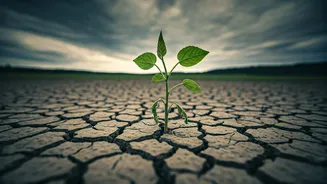
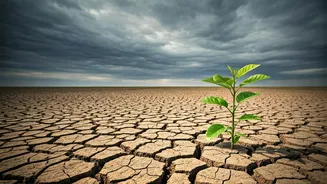
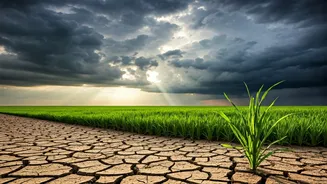
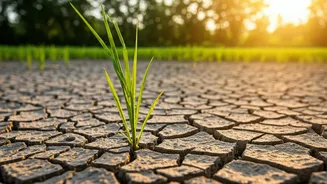
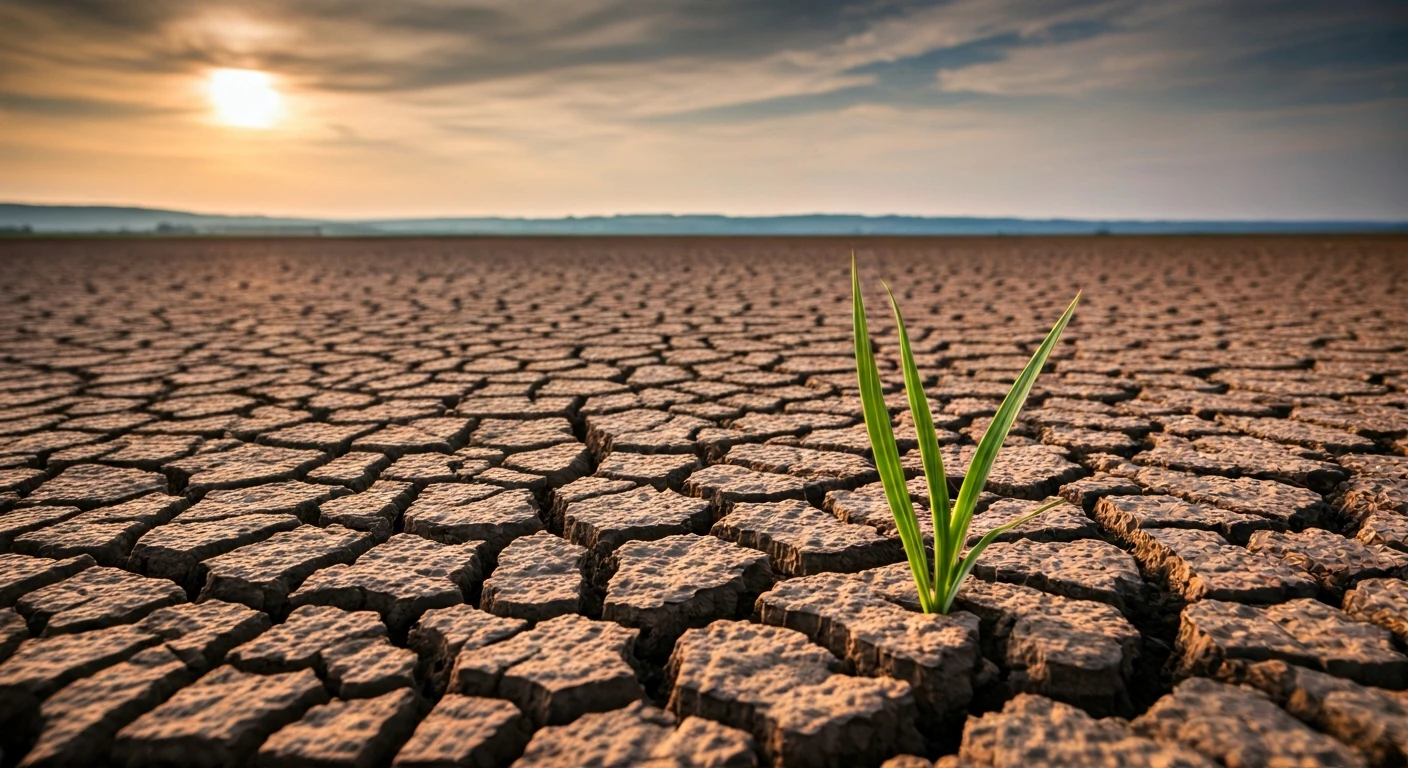
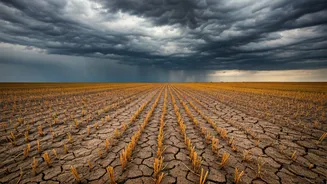
The most immediate and direct impact of a weak monsoon is on agriculture. With nearly half of India's farmland still dependent on rainfall, a deficit can be devastating. Forecasts for the 2026 monsoon have indicated below-normal rainfall, driven by developing
El Niño conditions, which historically weaken monsoon circulation. As of late June 2026, the country was already facing a significant rainfall deficit. This delays the sowing of crucial kharif (summer) crops like rice, pulses, and oilseeds, reduces soil moisture, and ultimately shrinks crop yields. Farmers are forced to rely more on irrigation, which increases their operational costs for electricity and diesel. This combination of lower output and higher expenses squeezes rural incomes, leading to reduced spending on everything from tractors to daily consumer goods, creating a drag on the wider economy.
The Grocery Bill Shock: Rising Food Inflation
When farm output drops, supply chains tighten, and the result is almost always a spike in food prices for urban and rural consumers alike. Food and beverages make up a substantial part of India's consumer price index, so any increase has a major effect on headline inflation. A weak monsoon disproportionately affects rain-fed crops like pulses and certain vegetables, which are staples in the Indian diet. Commodities like tomatoes, onions, and potatoes are particularly vulnerable to price shocks during periods of abnormal weather. The fear of shortages can also lead to hoarding, which further inflates prices. Even before the full impact of a poor monsoon is felt, prices for vegetables, fruits, and edible oils can begin to climb, making your weekly grocery run noticeably more expensive.
Beyond the Kitchen: The Hidden Costs
The impact of a weak monsoon extends well beyond food. Lower water levels in reservoirs, which are replenished by monsoon rains, directly hit hydroelectric power generation. This forces a greater reliance on more expensive thermal power, which itself requires large amounts of water for cooling. This can translate into higher electricity tariffs for households. Furthermore, reduced rural demand affects a host of industries, from fast-moving consumer goods (FMCG) to two-wheelers. In response to rising food inflation, the Reserve Bank of India might be cautious about cutting interest rates or could even consider hikes, which would make loans for homes, cars, and personal expenses more expensive.
Navigating the Financial Squeeze
While you can't control the weather, you can take steps to mitigate its impact on your finances. The first step is to create a more detailed monthly budget to track where your money is going. Be vigilant about rising food prices and adapt your shopping habits. This could mean buying vegetables that are in season and more plentiful, substituting expensive ingredients, or reducing food waste at home. Look for ways to conserve energy to offset potentially higher electricity bills, such as by using energy-efficient appliances and reducing air conditioner usage when possible. Building a small emergency fund can also provide a crucial buffer against unexpected price hikes. Financial awareness is your best defence when the economic climate is uncertain.