


The Humble Powerhouse Explained
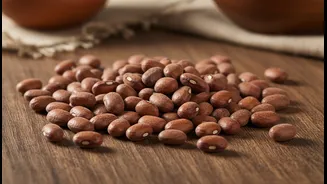
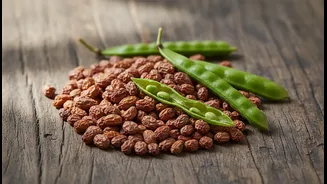
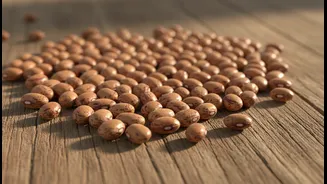
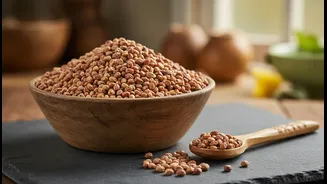
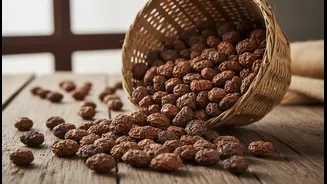
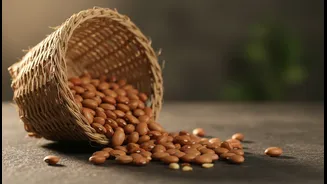
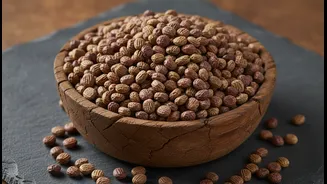
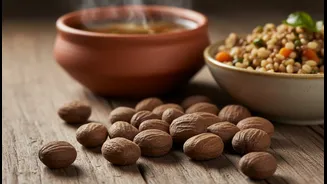
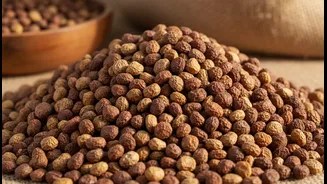
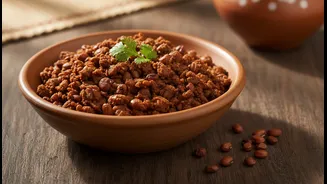
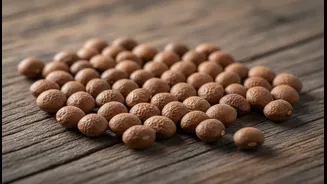
Known as kulthi dal in Hindi, kollu in Tamil, hurali in Kannada, and ulavalu in Telugu, horse gram (Macrotyloma uniflorum) is one of India’s most resilient traditional legumes. Cultivated for millennia, this tiny, reddish-brown pulse earned its English
name for its traditional use as a high-energy feed for horses and cattle. Despite its agricultural importance, particularly in drier regions where other crops struggle, it has remained a lesser-known ingredient in many modern urban kitchens. Hardy, nutritious, and deeply rooted in Indian culinary heritage, horse gram has a distinct, earthy taste that sets it apart from more common dals like toor or moong, offering a welcome change of pace and flavour.
A True Nutritional Heavyweight
The renewed interest in horse gram is largely due to its exceptional nutritional profile. It is one of the most protein-dense lentils available, boasting approximately 22 to 25 grams of protein per 100 grams. This makes it an outstanding food for vegetarians, vegans, and anyone looking to increase their plant-based protein intake. But the benefits don't stop there. Horse gram is an excellent source of dietary fibre, which is essential for digestive health and can help in managing blood sugar levels. It is also rich in vital minerals, including iron, calcium, and phosphorus, which contribute to healthy bones and energy levels. Furthermore, it is packed with antioxidants like polyphenols, which help protect the body from cellular damage.
Getting Started in the Kitchen
The key to delicious horse gram is proper preparation. This is a tough little lentil, and it needs some patience. Soaking is the most crucial step; plan to soak the beans overnight, or for at least eight hours. This not only cuts down on cooking time but also makes the nutrients more easily digestible. After soaking, discard the water, rinse the lentils, and they are ready to be cooked. A pressure cooker is your best friend here. Even after soaking, horse gram can take 30 to 40 minutes in a pressure cooker to become tender. On the stovetop, it could take up to two hours. Unlike other dals, horse gram holds its shape well when cooked, providing a pleasant, chewy texture rather than turning into a mush. Don’t throw away the cooking water; it’s full of nutrients and makes a flavourful base for rasam or soup.
Simple Ways to Enjoy Horse Gram
While traditional recipes are fantastic, you don't need complex preparations to enjoy horse gram. For a simple and hearty dal, cook the soaked lentils until soft and then prepare a tadka of ghee, mustard seeds, cumin, garlic, and onions. Add this to the cooked lentils and simmer. Another easy approach is to sprout them. Soaked horse gram sprouts easily within a day or two and can be added raw to salads for a crunchy, nutritious boost or lightly steamed to make a Maharashtrian-style usal. You can also blend cooked horse gram into a thick soup or grind the raw seeds into a flour to mix with your regular roti or dosa batter, invisibly fortifying your family’s meals with extra protein and fibre.
Honouring Its Traditional Roots
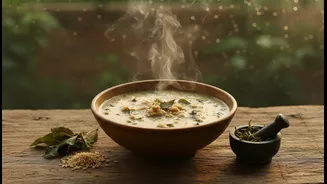
Once you're comfortable with the basics, exploring traditional dishes can be incredibly rewarding. Across South India, horse gram is a winter staple, prized for its warming properties. In Tamil Nadu, Kollu Rasam is a peppery, tamarind-infused soup that’s both a comfort food and a home remedy for colds. In Karnataka, Hurali Saaru is a similarly beloved curry, often served with ragi mudde or rice. In states like Maharashtra and Goa, it's used to make a thick, savoury stew called pithle. These recipes celebrate the lentil’s robust flavour, pairing it with strong spices, tamarind, and coconut to create dishes that are deeply satisfying and nourishing.