



Visby: The Hanseatic Jewel of the Baltic
Located on the island of Gotland, Visby is a UNESCO World Heritage site and arguably the best-preserved medieval commercial town in Northern Europe. Its most defining feature is the 'Ringmuren', a 3.4-kilometre-long stone wall complete with defensive
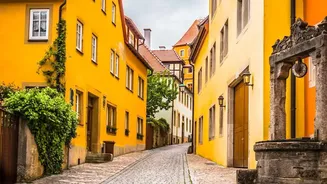
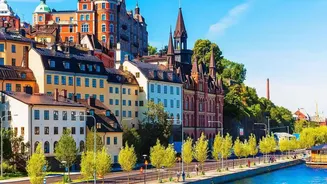
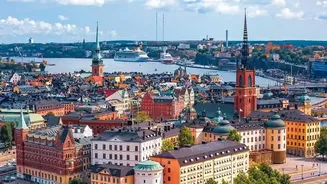
towers, which has encircled the old town since the 13th century. Walking this wall offers breathtaking views of the Baltic Sea on one side and a fairytale townscape on the other. Inside, a labyrinth of cobbled lanes winds past Hanseatic trading houses, over 200 historic buildings, and the romantic, ivy-covered ruins of several Gothic churches like St. Karin and St. Nicolai. The harbour, once a bustling hub for merchants of the Hanseatic League, now welcomes visitors to a town where the past feels ever-present.
Sigtuna: Sweden's First Lakeside Town
Founded in the late 10th century, Sigtuna holds the title of Sweden's very first town. Situated on the shores of Lake Mälaren, its history is deeply connected to the Viking Age and the birth of the Swedish kingdom. The town is a living museum, home to the country's oldest main street, Stora Gatan, which has followed the same path for over a thousand years. Sigtuna is famously rich in runestones, with more than 150 scattered throughout the municipality telling tales of its earliest inhabitants. Visitors can explore the evocative ruins of medieval stone churches that dot the landscape, wander past charming low-built wooden houses, and visit the tiny 18th-century town hall. The tranquil harbour on Lake Mälaren provides a serene backdrop, perfect for a waterside stroll or enjoying fresh seafood.
Ystad: Half-Timbered Houses and Coastal Charm
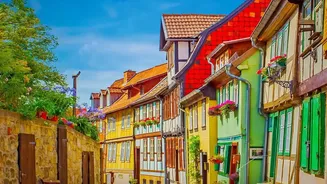
On the southern coast of Skåne lies Ystad, a picturesque town known for its maze of medieval cobblestone streets and hundreds of beautifully preserved half-timbered houses. Roses and hollyhocks often bloom against the colourful facades, creating a storybook atmosphere. Key historical sites include the 13th-century Greyfriars Abbey, one of Sweden’s best-preserved monasteries, and the imposing St. Mary's Church, which dates back to 1200. The town's architecture reflects its prosperous past, with some buildings, like the Pilgrändshuset from 1480, being among the oldest of their kind in Scandinavia. A short walk from the historic centre leads to the harbour and the nearby sandy beaches of the Baltic coast, blending medieval history with seaside relaxation. The town has also gained modern fame as the setting for Henning Mankell's 'Wallander' crime novels.
Marstrand: A Fortress Island on the West Coast
The island of Marstrand is the sailing capital of Sweden's west coast, a car-free haven defined by its dramatic fortress and vibrant harbour. Dominating the skyline is the imposing Carlsten Fortress, a 17th-century stone sentinel built shortly after the province became Swedish. Construction of the fortress was arduous, carried out by prisoners sentenced to 'Marstrand labour'. Below the fortress, a charming town of wooden houses and cobbled streets cascades down to a bustling marina filled with sailboats, especially during the annual Match Cup Sweden regatta. Once an important trading post with an ice-free port, Marstrand's harbour is now the heart of its social life, lined with boutiques and seafood restaurants. A walk around the island offers rocky swimming spots and stunning views of the Skagerrak strait.