



1. The Golden Healer: Turmeric (Haldi)
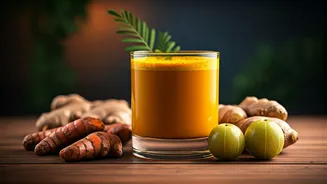
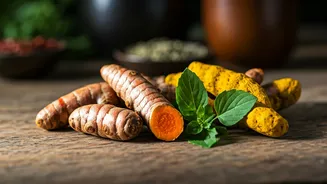
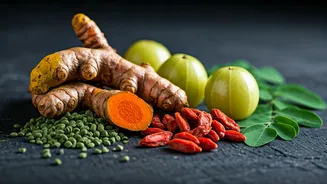
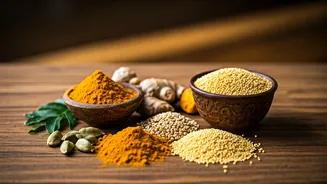
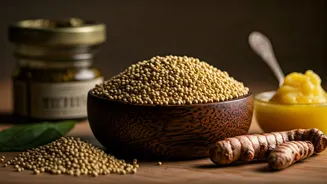
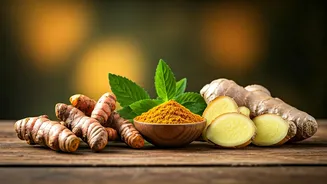
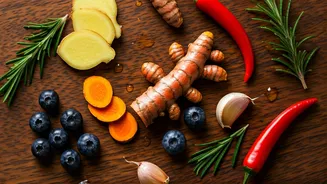
It’s impossible to scroll through wellness content without seeing a golden latte. The star ingredient, turmeric, is a cornerstone of Indian cooking and traditional medicine. Its power lies in curcumin, a compound with potent anti-inflammatory and antioxidant
properties. During the monsoon, when the risk of infections like the cold and flu is high, a daily dose of turmeric is believed to help fortify the body's defences. The viral trend isn't just about pretty pictures; it’s a modern nod to the age-old practice of drinking Haldi Doodh (turmeric milk) before bed. A pinch of black pepper is often added to enhance the absorption of curcumin, making this simple concoction a powerful seasonal ally.
2. The Fiery Duo: Ginger and Garlic
This dynamic pair forms the base of countless Indian dishes, and for good reason. Both ginger (adrak) and garlic (lehsun) are celebrated for their medicinal properties. Ginger is a well-known remedy for sore throats and nausea, containing gingerol, which can help fight inflammation and infections. Garlic contains allicin, a compound that is released when it’s crushed or chopped and is credited with immune-enhancing effects. A warm cup of ginger tea or adding extra crushed garlic to your dal and sabzi are simple, effective ways to incorporate them. This is one kitchen hack that has stood the test of time, long before it became a hashtag.
3. The Vitamin C Powerhouses: Citrus and Amla
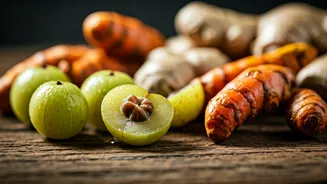
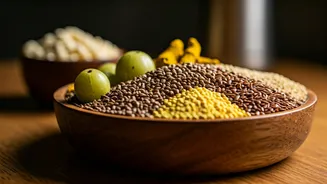
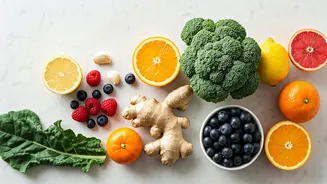
When you think of immunity, you think of Vitamin C. While oranges and lemons are excellent choices, the undisputed local champion is the Indian gooseberry, or Amla. Packed with an exceptionally high concentration of Vitamin C, Amla is a traditional superstar for warding off seasonal ailments. Vitamin C is crucial for the production of white blood cells, which are key to fighting infections. The monsoon can make digestion sluggish, and a glass of warm water with lemon juice first thing in the morning is a popular ritual to aid digestion and provide a vitamin boost. Whether it’s through Amla juice, a squeeze of lime on your food, or a seasonal orange, upping your Vitamin C intake is a smart move.
4. The Queen of Herbs: Tulsi (Holy Basil)
In many Indian households, the Tulsi plant is revered not just for its spiritual significance but also for its medicinal prowess. Often called the 'Queen of Herbs,' Tulsi is a natural immunity booster. Its leaves are rich in phytochemicals and antioxidants that help protect the body from free radical damage and infections. It’s known to have antimicrobial and antiviral properties, making it a go-to remedy for coughs and colds. Chewing on a few fresh leaves or brewing a simple Tulsi tea (kadha), often with honey and ginger, is a comforting ritual that has been passed down through generations and is now being shared widely across digital platforms.
5. The Gut Guardians: Probiotic-Rich Foods
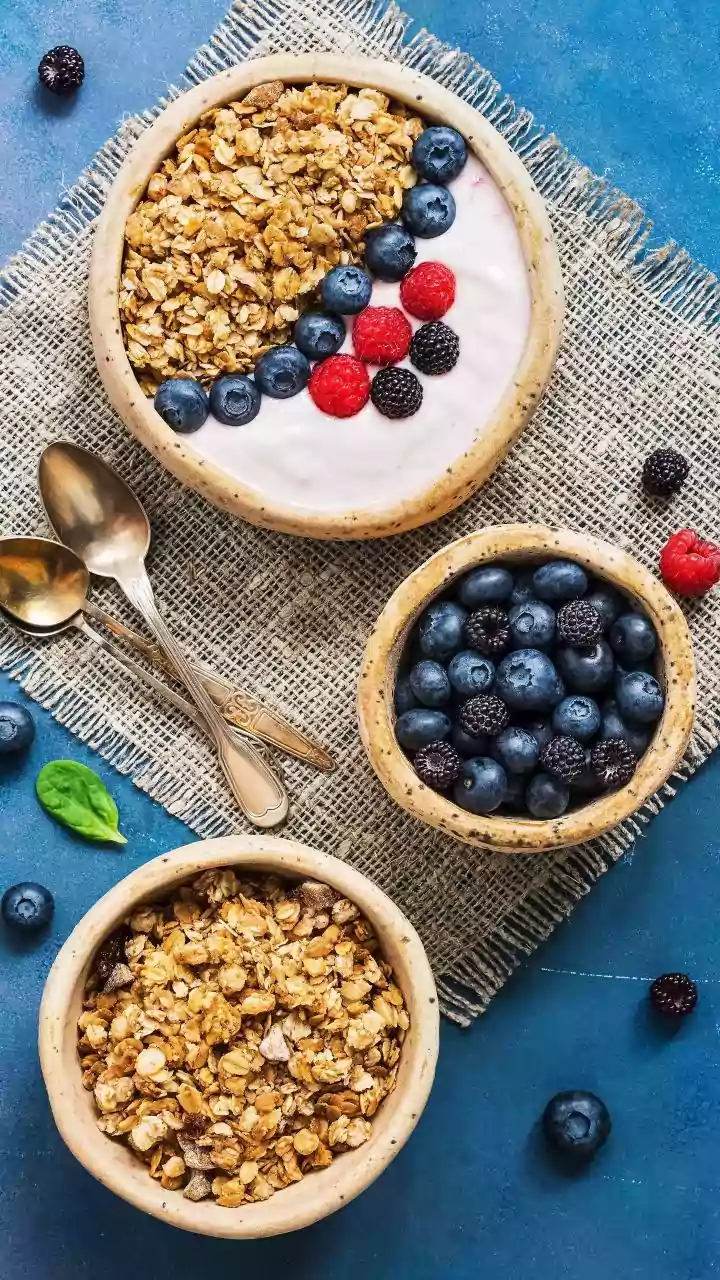
A healthy gut is the foundation of a strong immune system. The monsoon season can often bring digestive troubles, from indigestion to stomach bugs. This is where probiotic-rich foods like Dahi (yogurt) and other fermented foods come in. They help maintain a healthy balance of gut bacteria, which is essential for both digestion and immunity. A simple bowl of homemade Dahi or a glass of buttermilk (chaas) seasoned with roasted cumin powder can do wonders for your digestive health. As health experts increasingly emphasise the gut-immunity connection, these traditional foods are gaining renewed appreciation online as a simple, effective way to stay healthy.
6. Warming Spices: Pepper, Cloves, and Cinnamon
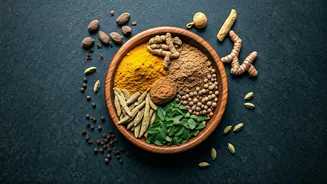
The magic of Indian cooking lies in its masterful use of spices. During the damp and chilly monsoon, warming spices like black pepper (kali mirch), cloves (laung), and cinnamon (dalchini) are particularly beneficial. They are not just for flavour; they are packed with antibacterial and anti-inflammatory properties. Black pepper helps clear congestion, cloves are excellent for soothing a sore throat, and cinnamon can help regulate blood sugar and fight infections. These spices are the key ingredients in the viral 'kadha' or herbal decoction recipes flooding social media. A simple mix boiled in water provides a soothing, aromatic, and therapeutic drink perfect for a rainy day.