



The Sweet Deception of Packaged Cereals
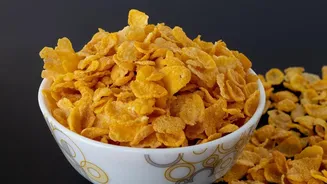
The cereal aisle is a masterclass in marketing, with boxes shouting about whole grains, added vitamins, and high fibre. However, the reality inside the box is often less impressive. Many popular breakfast cereals are ultra-processed foods, created through
a high-temperature, high-pressure process called extrusion, which can destroy nutrients in the grains. The primary issue is often a high load of added sugar, sometimes disguised under names like corn syrup or brown rice syrup. This leads to a rapid spike in blood sugar, followed by a crash that leaves you feeling hungry and tired well before lunchtime. A study of breakfast cereals found that, on average, sugar constituted about 20% of the product's composition, with products marketed to children containing even more. Furthermore, many of these products are low in two crucial macronutrients for satiety: protein and healthy fats, creating an imbalanced start to the day.
The Power of a Balanced Plate
A truly balanced breakfast should provide a mix of carbohydrates, protein, and healthy fats. Carbohydrates are the body's main source of energy. Complex carbohydrates, found in whole grains, release energy slowly and steadily, preventing a mid-morning slump. Protein is essential for muscle repair and, crucially, for satiety—the feeling of fullness that prevents overeating. Healthy fats also help slow down digestion and are vital for absorbing certain nutrients. This macronutrient trio works in synergy to fuel your brain and body, stabilize blood sugar, and keep you satisfied until your next meal. Unfortunately, many common breakfast mistakes include an over-reliance on simple carbohydrates without enough protein or fibre.
A Tour of India's Nutrient-Dense Breakfasts
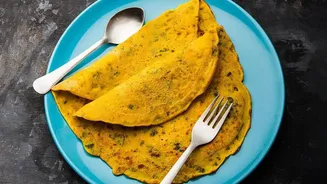
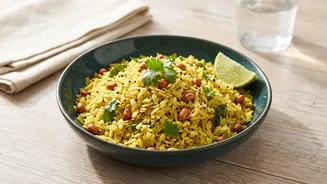
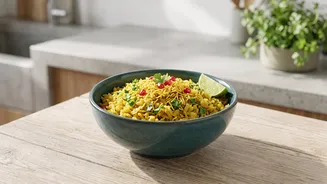
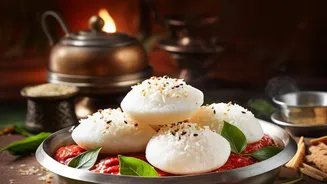
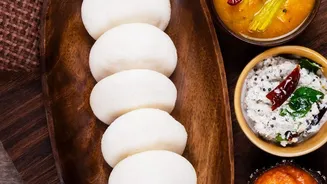
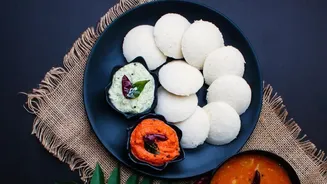
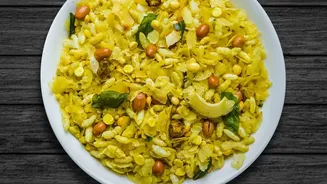
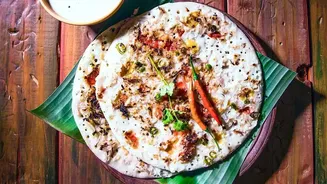
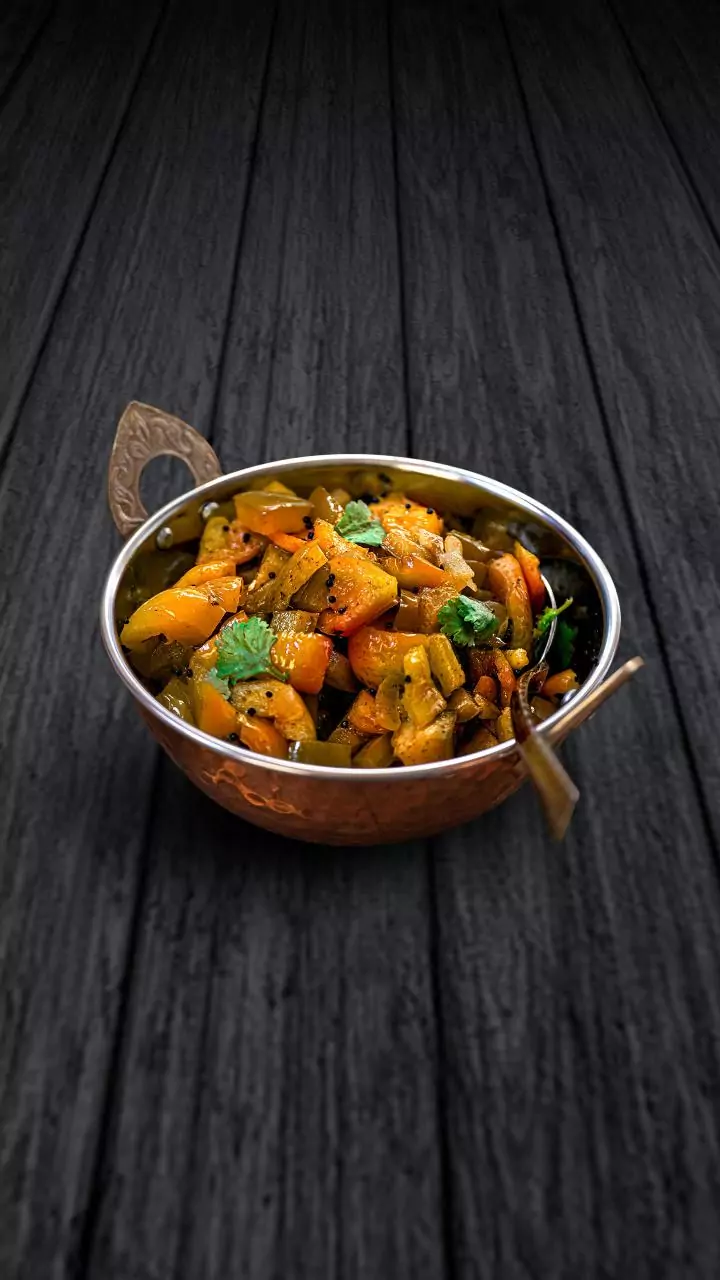
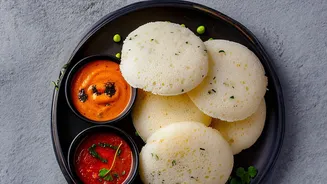
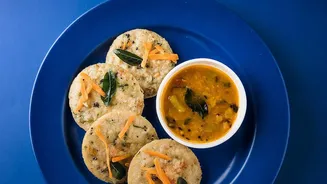
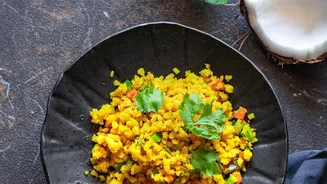
This is where traditional Indian breakfasts truly shine. They are often naturally balanced and made from whole ingredients. Take, for instance, a plate of idli with sambar. The idlis, made from fermented rice and urad dal, provide a fantastic combination of carbohydrates and protein. The fermentation process not only makes them easy to digest but also introduces beneficial probiotics. The accompanying sambar, a lentil-based stew packed with vegetables, adds more protein, fibre, and a host of vitamins. A typical serving of two idlis with sambar can provide around 10-12 grams of protein and 6 grams of fibre.Similarly, poha, a popular breakfast in Western and Central India, is made from flattened rice. It's light on the stomach and a good source of carbohydrates for quick energy. When cooked with onions, mustard seeds, turmeric, and garnished with peanuts and fresh lemon, it becomes a well-rounded meal. The peanuts add healthy fats and a protein boost, while the vegetables contribute fibre. Other stellar examples include moong dal chilla (a savoury pancake made from lentils) and vegetable upma, which showcase the inherent wisdom of combining grains or lentils with vegetables and spices to create a complete macronutrient profile.
Beyond Macros: Freshness and Whole Ingredients
The superiority of traditional Indian breakfasts isn't just about the ratio of carbs, proteins, and fats. It's also about the quality of the ingredients. Unlike their processed counterparts, which can contain artificial colours, flavours, and preservatives, traditional meals are freshly prepared. Spices like turmeric (in poha) and cumin (in sambar) are not just for flavour; they offer anti-inflammatory and digestive benefits. These meals are built on a foundation of whole grains, lentils, and fresh vegetables, delivering fibre, vitamins, and minerals in their natural form rather than as synthetic additions sprayed onto a processed flake. This approach avoids the pitfalls of ultra-processed foods, which have been linked to a range of health issues. By choosing a plate of poha or idli, you are not just eating a meal; you are consuming food that is closer to its natural state, full of texture, flavour, and wholesome goodness.