


More Than Just Six Yards of Fabric
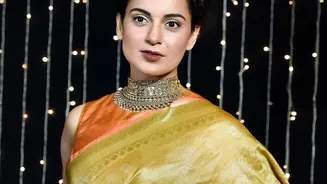
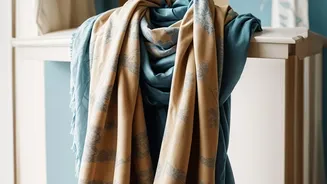
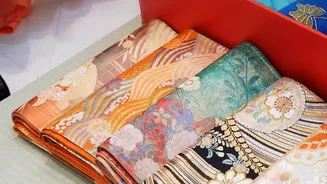
An heirloom saree is rarely just a garment; it is a living piece of family history. Whether it's a rich Banarasi silk worn by a grandmother at her wedding or a soft cotton passed from mother to daughter, each fold holds memories. These sarees are symbols
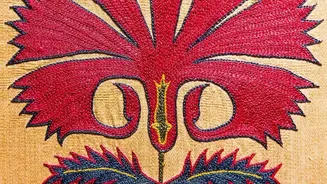
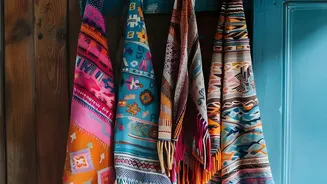
of heritage, carrying with them the essence of milestones and cherished moments. For many, opening a trunk filled with these carefully preserved textiles is like flipping through a family album, where every thread tells a story. The craftsmanship, the specific weave from a particular region, and the colours chosen for an occasion all add to its cultural weight, making it a precious link to the past.
A Creative Act of Reimagination
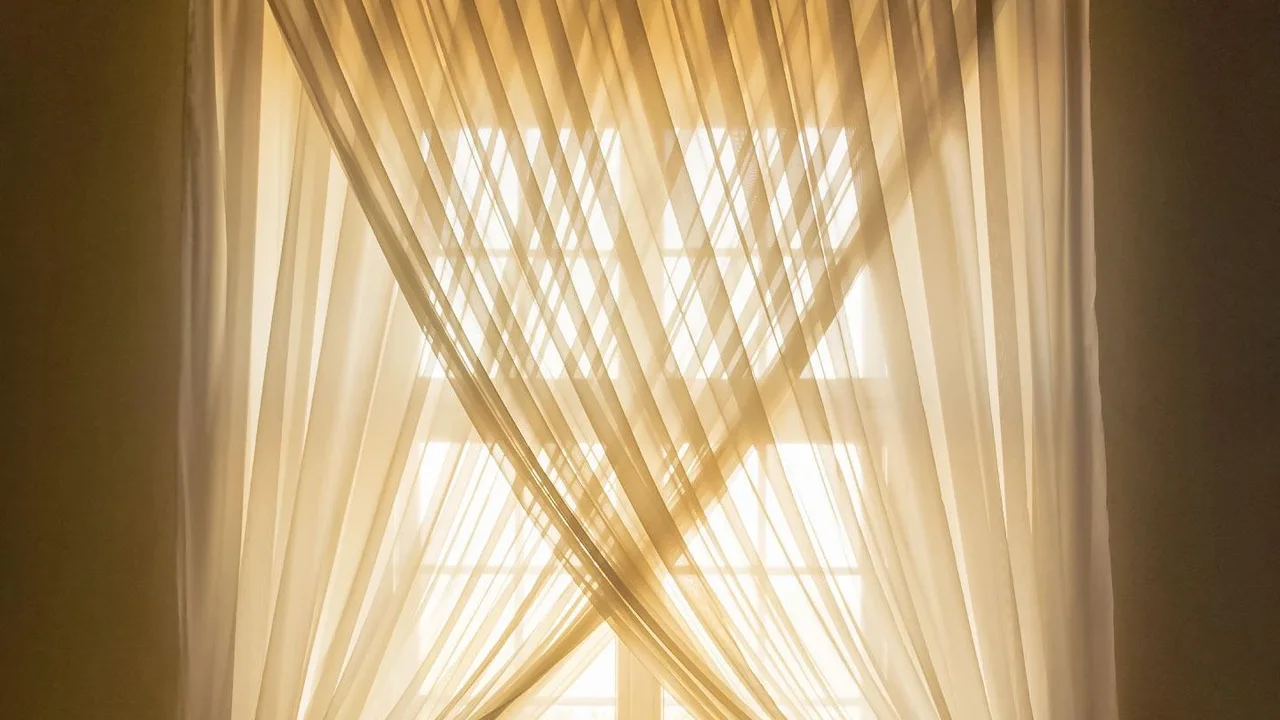
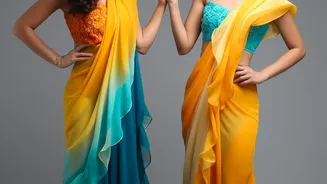
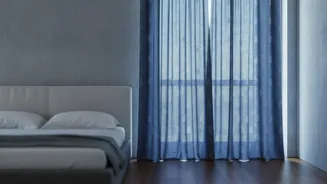
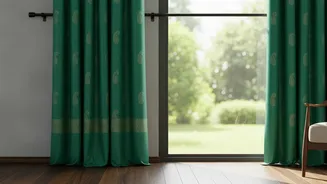
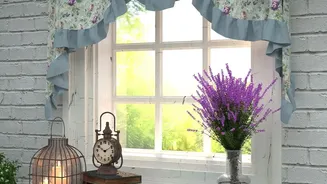
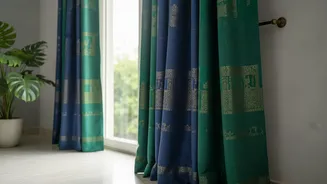
Turning these heirlooms into curtains is a powerful way to honour their legacy. Instead of letting them remain unseen, this act of upcycling transforms them into functional art that filters light and frames your view of the world. It’s a creative process that gives an old story a new way to be seen. Lightweight sarees like chiffon and cotton are perfect for creating soft, flowing drapes that glow in the sunlight, while heavier silks like Kanjivaram or Banarasi can be made into more opulent, formal curtains, perhaps for a pooja room or during festive seasons. This transition from clothing to decor ensures that the beauty and sentiment of the saree are admired every day.
A Statement in Sustainable Living
Beyond the personal and cultural significance, upcycling sarees is a meaningful act of sustainability. India's textile industry is one of the world's largest, but it also generates millions of tons of waste annually. Choosing to repurpose fabric already in your home helps combat the cycle of fast fashion and reduces landfill waste. This practice aligns with a growing movement towards conscious consumption and eco-friendly home decor. By giving a saree a second life as a curtain, you are not only reducing your carbon footprint but also making a statement that style and sustainability can, and should, coexist beautifully.
Practical Tips for a Perfect Transformation
If you're inspired to create your own saree curtains, a few practical considerations can ensure a beautiful result. First, assess the saree's fabric and condition. Lightweight cottons and georgettes are easy to work with and drape well. For heavier silks, consider adding a lining to protect the fabric from sun damage and help it hang better. You have several creative options: use the entire saree for a long, dramatic drape, mix and match panels from different sarees for a vibrant patchwork look, or highlight the most ornate part, the pallu, as a decorative border. Whether you do it yourself or work with a local tailor, the process is a rewarding way to engage with the textile's history.
Weaving Heritage into Your Home's Identity
The final result is more than just a new set of curtains. It’s a conversation starter and a daily reminder of your roots. These drapes infuse your living space with a unique character that mass-produced items simply cannot replicate. They become a testament to family, craftsmanship, and mindful living. Every time you draw the curtains, you are interacting with a piece of your heritage. This simple act of transformation allows you to celebrate your family's stories not as relics of the past, but as a vibrant, integral part of your present.