





The New Process at the Ticket Counter
For years, passengers booking train tickets online via the IRCTC portal have had the simple option to add travel insurance for a nominal fee. However, the millions who purchase tickets from physical counters were left out of this system. That is now changing.
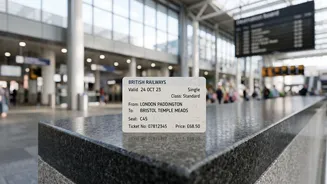
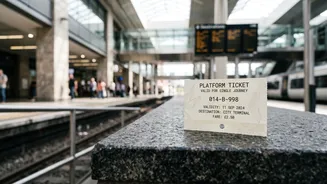
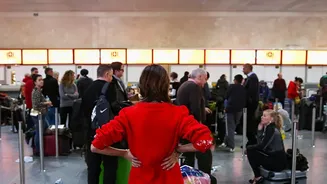
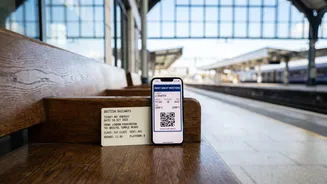
Under the new directive, when you buy a ticket at a reservation counter, the booking clerk will be required to ask if you wish to opt in for travel insurance. In some proposed implementations, the insurance may be added by default, requiring you to explicitly opt out if you do not want it. This ensures every passenger is made aware of the option and given the choice to secure their journey. The cost is expected to be minimal, likely under one rupee, consistent with the pricing for online tickets, making it an accessible safety net for all travellers.
Why the Court Mandated This Change
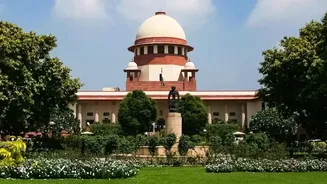
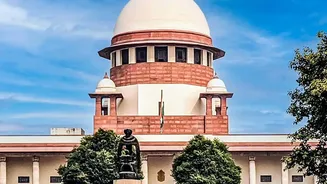
This policy shift is not an internal decision by the railways but a direct consequence of a court order. Public interest litigations have highlighted the disparity between services offered to online and offline customers. A High Court ruled that providing optional insurance only to those with internet access was discriminatory. The court argued that passenger safety and access to financial protection in case of an accident should be universal. It directed Indian Railways to create a seamless mechanism to extend the travel insurance scheme to all passengers, regardless of their booking method. This judicial intervention underscores a broader push for equitable access to services in an increasingly digital India, ensuring that those who rely on traditional methods are not left behind or disadvantaged.
What the Travel Insurance Actually Covers
For a very small fee, the railway's travel insurance policy provides significant financial coverage. While specifics can vary slightly between insurance providers partnered with the railways, the plan generally includes compensation in the event of death or permanent total disability resulting from a train accident. Coverage amounts have previously been as high as ₹10 lakh. The policy also provides for permanent partial disability, with amounts typically up to ₹7.5 lakh, and hospitalization expenses for injuries, often up to ₹2 lakh. Furthermore, the insurance covers the transportation of mortal remains in the unfortunate event of a death during travel. The process for making a claim is handled by the designated insurance company, and this new system for counter tickets will ensure that a valid policy is generated with the passenger's details, simplifying any future claims process.
Bridging the Digital Divide in Passenger Services
Implementing this feature at bustling ticket counters across the country presents a logistical challenge, but it marks a crucial step in modernizing passenger services for everyone. The previous system inadvertently created two classes of passengers: the digitally savvy, who could easily add insurance, and the offline majority, who had no simple way to do so. This new requirement aims to bridge that gap. It ensures that a factory worker buying a ticket home, a student travelling for an exam, or a family going on vacation all have the same opportunity to protect themselves. By making the opt-in or opt-out process a mandatory part of the transaction at the counter, Indian Railways is standardizing a key safety feature. This move reflects a wider understanding that essential services must be designed inclusively, catering to the diverse needs and capabilities of India's vast population.