



What Exactly Is Soft Movement?
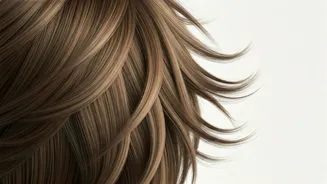
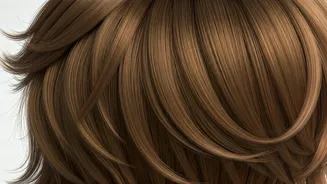
At its core, the 'soft movement' trend is a departure from the sharp, severe haircuts that have dominated in recent years. Instead of blunt bobs and heavily structured styles, this mood favours subtlety and fluidity. Think haircuts with gentle, almost
invisible layers that remove weight and encourage your hair’s natural bend and texture. The look is defined by feathered ends, soft internal layering, and shapes that look just as good air-dried as they do styled. It’s less about forcing hair into a perfect shape and more about creating a cut that falls beautifully on its own, full of dimension and life. This approach reflects a broader shift towards embracing individuality and practicality in our beauty routines. It’s hair that feels effortless because, thanks to a strategic cut, it largely is.
The Appeal of Effortless Hair
So, why is everyone suddenly craving softer styles? The trend towards low-maintenance living is a major driver. Many are looking for haircuts that grow out gracefully and don't require daily battles with heat styling tools. This movement is about working with your natural texture—be it waves, curls, or straight strands—rather than against it. It’s a quiet rebellion against the idea that great hair has to be a full-time job. Styles that limit heat use not only save time but also align with a growing awareness of hair health and damage prevention. The result is a look that feels both authentic and modern, offering a polished yet undone finish that seems to capture the current zeitgeist perfectly.
How the Trend Translates to Different Cuts
Soft movement isn't a single haircut but an approach that can be applied to various lengths and styles. The 'soft bob', for instance, takes the classic chin-length cut and infuses it with wispy, graduated layers and feathered ends for a lighter, more ethereal feel. For those with longer hair, 'ghost layers' or long, blended layers achieve a similar effect, removing bulk without sacrificing length and allowing the hair to move more freely. Even shorter styles like the 'bixie'—a hybrid of a bob and a pixie—are getting a softer treatment, with tapered sides and length on top to create volume and movement around the face. The modern shag also fits this mood, with its face-framing layers and intentionally undone texture that looks better as the day goes on.
How to Ask Your Stylist for the Look
Communicating this subtle aesthetic to your stylist is key. Instead of just showing a photo, use descriptive words. Ask for “soft layers,” “internal shaping,” or a cut with “natural movement.” Mention that you want a style that looks good air-dried and grows out well. Phrases like “removing weight without losing length,” “feathered ends instead of blunt lines,” or “face-framing layers that feel soft” can help convey the desired effect. It's also helpful to discuss your daily routine and how much time you're willing to spend on styling. By focusing on the end goal—like more volume or a style that enhances your natural texture—you empower your stylist to use their expertise to create the perfect soft, movable cut for you.
Styling for Softness at Home
Maintaining the soft movement look at home is refreshingly simple. The goal is to enhance, not manipulate. For wavy and curly textures, this might mean scrunching in a curl cream or a wave spray to encourage the hair's natural pattern. For straighter types, a texturizing spray or a lightweight mousse applied before a gentle blow-dry with a round brush can add volume and subtle bends. The key is to avoid heavy, stiff products. Instead, opt for lightweight serums for shine and creams that provide a soft hold. The beauty of this trend is its versatility; it’s designed to look chic whether you spend five minutes or thirty on it, making it one of the most wearable and liberating hair moods we’ve seen in years.