





The Wisdom of Seasonal Eating
For generations, Indian households have adapted their diets to the rhythm of the seasons. During the monsoon, the focus shifts to foods that are warming, easy to digest, and packed with properties that support the body's natural defences. This isn't just
folklore; it's a time-tested system of wellness rooted in Ayurvedic principles and practical observation. The goal is to strengthen the digestive fire ('agni') and bolster immunity to ward off common monsoon ailments like colds, coughs, and digestive issues. It’s less about exotic superfoods and more about harnessing the power of everyday ingredients.
Turmeric: The Golden Guardian
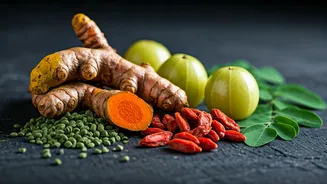
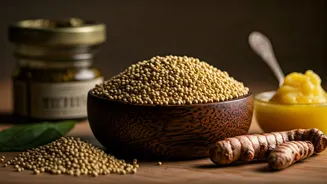
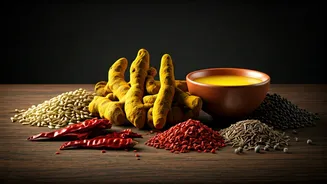
No discussion of immunity in an Indian kitchen is complete without mentioning turmeric, or 'haldi'. Its active compound, curcumin, is a potent anti-inflammatory and antioxidant. During the monsoon, a glass of warm 'haldi doodh' (turmeric milk) becomes a nightly ritual in many homes. It’s prized for its ability to soothe sore throats and reduce inflammation. Beyond milk, a generous pinch of turmeric in dals, sabzis, and soups not only adds colour and flavour but also serves as a daily dose of wellness, helping to keep infections at bay.
Ginger and Garlic: The Pungent Protectors
The powerful duo of ginger ('adrak') and garlic ('lehsun') forms the backbone of Indian cooking and monsoon wellness. Ginger is a diaphoretic, meaning it induces sweating and helps warm the body from within—perfect for damp, chilly days. It's also a powerful digestive aid and helps combat nausea. Garlic, with its sulphuric compounds like allicin, has well-documented antimicrobial properties. A warm, pungent 'adrak-lehsun' tea, often brewed with honey and lemon, is a go-to remedy for a scratchy throat. Incorporating them generously into your daily cooking is one of the easiest ways to fortify your system.
Vitamin C Powerhouses: Amla and Citrus
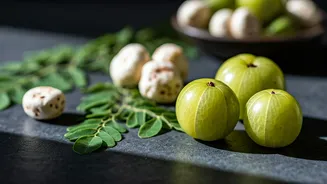
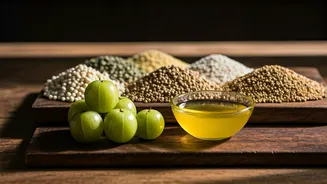
Vitamin C is a critical nutrient for the immune system, as it supports the production of white blood cells that fight infection. While many leafy greens are avoided during the monsoon due to the risk of contamination, other sources of Vitamin C take precedence. Indian gooseberry, or 'amla', is a superstar in this category, containing significantly more Vitamin C than an orange. It can be consumed as juice, murabba (sweet preserve), or simply pickled. Lemons are another kitchen staple, used liberally to add a zesty kick to dals, salads, and drinks. A simple glass of warm water with lemon and honey is a classic morning ritual to cleanse the system and boost immunity.
Warming Spices: More Than Flavour
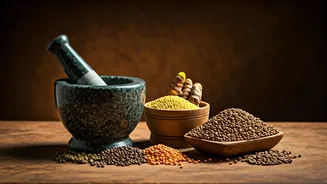
The Indian spice box ('masala dabba') is a veritable medicine cabinet during the monsoon. Spices like black pepper ('kali mirch'), cloves ('laung'), and cinnamon ('dalchini') are known for their warming and antibacterial properties. Black pepper enhances the absorption of curcumin from turmeric, making the duo a powerful combination. These spices are central to making 'kadha', a traditional decoction boiled in water, which serves as a potent preventative and curative drink. A pinch of black pepper in your soup or a clove in your tea can do more than just tantalize your taste buds; it can help keep your respiratory system clear.
Soups and Broths: Comfort in a Bowl
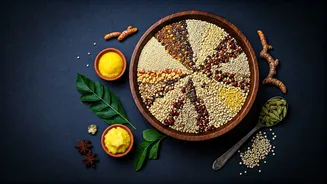
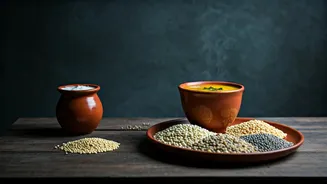
A warm bowl of soup is the ultimate comfort food during a downpour, but its benefits go much further. Soups are hydrating and easy on the digestive system, which is often weaker during this season. A light, clear vegetable broth or a hearty lentil soup like 'moong dal' soup provides essential nutrients without taxing your gut. It’s an excellent way to consume a variety of vegetables and spices in a single, nourishing meal. Adding ingredients like ginger, garlic, pepper, and turmeric to your soup further enhances its immune-supporting properties, making it a perfect monsoon meal.