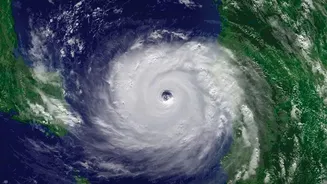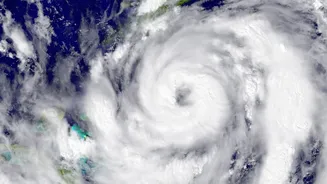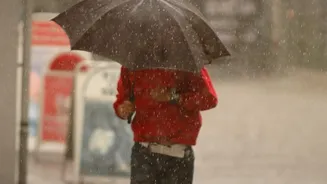






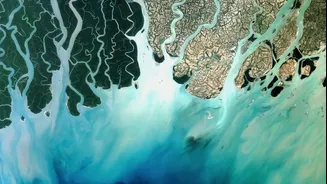
With Cyclone Arnab intensifying over the Bay of Bengal, heavy rain alerts are active across several coastal states. For fishing communities, specific, life-saving warnings are in place. Here is what you need to know to stay safe.
The Latest on Cyclone Arnab
According to the latest
updates from the India Meteorological Department (IMD), Cyclonic Storm Arnab is currently located over the central Bay of Bengal and is projected to move north-northwestwards, intensifying into a Severe Cyclonic Storm within the next 24 hours. Forecasts predict it will approach the coasts of Odisha and West Bengal, bringing with it extremely heavy rainfall and high-velocity winds. Authorities have issued red and orange alerts for multiple coastal districts, anticipating significant weather impact starting from the evening of October 28 and continuing for the next 48 to 72 hours. Preparations are underway in coastal regions to mitigate potential damage from tidal surges and flooding.
Specific Warnings for Fishermen
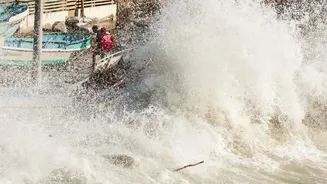
The primary and most urgent advisory is a complete suspension of all fishing operations. Fishermen are strictly warned not to venture into the Bay of Bengal. Those already at sea have been urgently instructed to return to the coast immediately. The warnings are unequivocal due to the forecast of exceptionally rough sea conditions. Wind speeds at sea are expected to reach 90-100 km/h, gusting up to 110 km/h, making any vessel, regardless of size, extremely vulnerable. The advisory also includes instructions for securing boats and fishing equipment on shore to prevent them from being washed away or damaged by the storm surge and high winds.
Which Coastal Areas Are on High Alert?
The warnings are most critical for the coastal districts of Odisha, including Puri, Jagatsinghpur, Kendrapara, and Balasore. In West Bengal, the districts of East Medinipur and South 24 Parganas are also on high alert. Fishermen in these specific regions, as well as along the north Andhra Pradesh coast, are covered by the no-venture advisory. Local administrations in these districts have been activated, with disaster response teams on standby. Coastal communities are being alerted through various channels to ensure the message reaches everyone, especially those in remote fishing hamlets who may have limited access to mainstream media.
Why These Advisories Are Non-Negotiable
Heeding these warnings is a matter of life and death. The combination of gale_force winds and towering waves creates treacherous conditions where capsize is a near_certainty. Visibility drops to near_zero during squalls, making navigation impossible and rescue operations extremely difficult, if not entirely unfeasible. Beyond the immediate risk to human life, venturing out also risks the loss of boats and expensive fishing gear, which can devastate the livelihoods of fishing families. The official advisories are based on sophisticated meteorological data designed to prevent such tragedies, and ignoring them poses an unjustifiable risk.
How Long Will the Restrictions Last?
The fishing ban is expected to remain in force until at least October 31, 2026, but this timeline is subject to change based on the cyclone's movement and dissipation. Authorities will only lift the warning after the sea conditions have returned to a safe state. Fishermen and coastal residents must not assume the danger has passed just because the rain has temporarily eased. It is crucial to wait for an official declaration from the IMD or local disaster management authorities confirming that it is safe to resume fishing activities. Continuous monitoring of official channels is essential for receiving the all_clear signal.
Stay Updated Through Official Channels
For the most reliable and up_to_date information, it is vital to rely on official sources only. This helps to avoid misinformation and panic. Key sources include the official website of the India Meteorological Department (IMD), bulletins from the National Disaster Management Authority (NDMA), and broadcasts on All India Radio. Local district administration officials will also provide area_specific updates and instructions. Community leaders are urged to help disseminate these official communications to ensure everyone is informed, particularly in areas with poor connectivity.