






Choosing the Right Spot and Variety
Kiwi cultivation in India is best suited for temperate and sub-temperate hill regions like Himachal Pradesh, Uttarakhand, and Arunachal Pradesh, typically at altitudes between 800 and 1,500 metres. These vines need a cool climate with sufficient winter
chilling hours to flower properly. For a home garden, find a spot that gets at least six to eight hours of full sunlight daily and is protected from strong winds. The soil should be a well-drained sandy loam, rich in organic matter, with a slightly acidic pH of 5.5 to 6.5. When selecting a plant, it is best to buy a grafted sapling from a reputable nursery rather than growing from seed, as this ensures you get a good fruit-bearing plant. The 'Hayward' variety is the most popular green kiwi in India due to its large fruit and market demand. Other suitable varieties include Allison, Abbott, and Bruno.
Understanding Kiwi Pollination
One of the most crucial aspects of growing kiwis is understanding their pollination needs. Most kiwi varieties are dioecious, meaning you need separate male and female plants to produce fruit. The female plants bear the fruit, while the male plants provide the pollen. For successful pollination, you’ll need to plant at least one male vine for every six to eight female vines. A common male pollinator variety is 'Tomuri', which pairs well with 'Hayward'. The plants should be placed within about 9-15 metres of each other to allow insects, primarily bees, to transfer pollen effectively. Some newer self-fertile varieties like 'Issai' exist, which can produce fruit from a single plant, making them a good option for smaller gardens. If natural pollination is a concern, you can also hand-pollinate by dabbing a pollen-heavy male flower onto the female flowers.
Planting and Support Structures
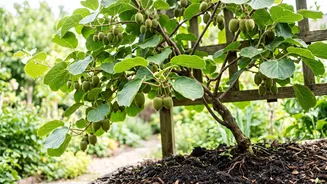
The ideal time to plant kiwi vines is in January, after preparing the pits with a mix of soil and farmyard manure in December. Since kiwis are vigorous climbing vines, they require a sturdy support structure right from the start. A strong trellis, pergola, or T-bar system is essential to hold the weight of the mature vines and fruit. A common T-bar trellis is about six feet high, with the vines trained to grow up a central trunk and then spread horizontally along wires. This structure not only supports the plant but also ensures good air circulation and sunlight exposure, which are vital for fruit development. As the vine grows, loosely tie the main shoot to the support to guide its upward growth.
Watering, Feeding, and Care
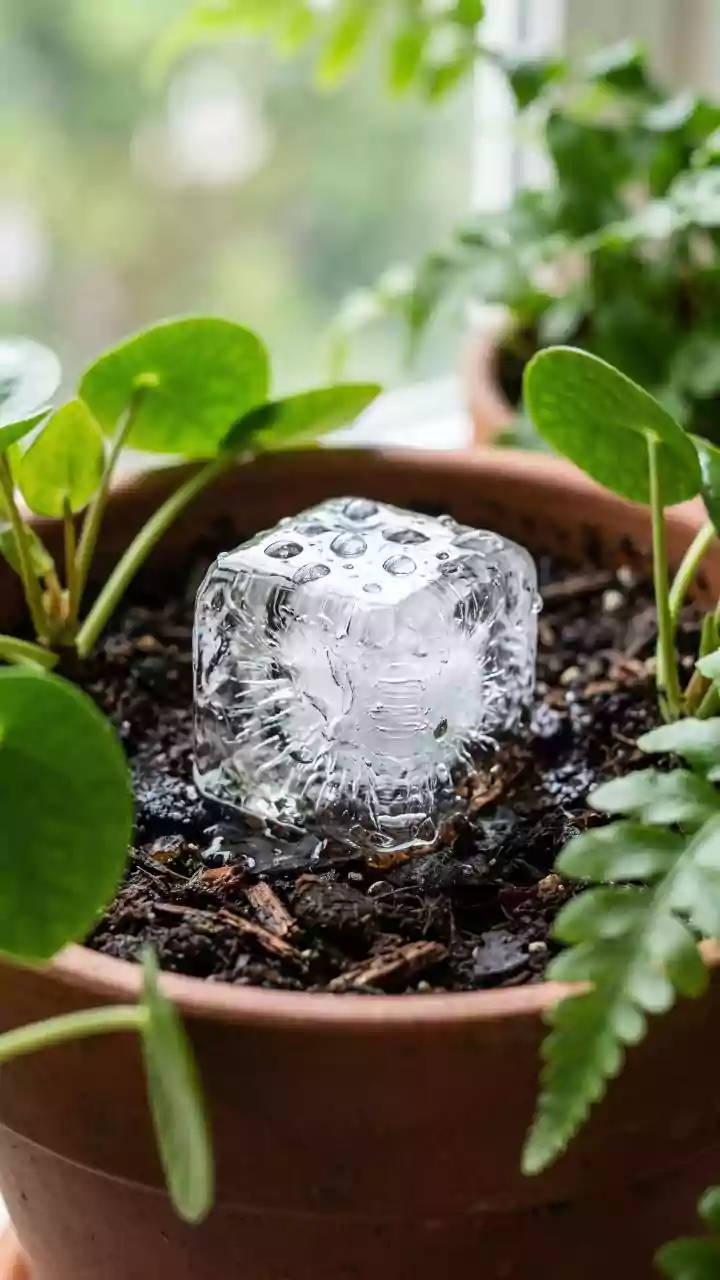
Kiwi vines require consistent moisture, especially during the growing season and fruit development, but they do not tolerate waterlogged soil. Water regularly, ensuring the soil remains moist but not soggy. Mulching around the base of the plant can help retain moisture and suppress weeds. Kiwis are also heavy feeders. For young plants, a balanced NPK fertiliser is recommended. Mature plants benefit from annual applications of farmyard manure and a balanced fertiliser mix rich in nitrogen, phosphorus, and potassium to support fruit production.
The Art of Pruning
Pruning is essential to control the vine's vigorous growth, improve fruit quality, and ensure a good harvest for years to come. Kiwi plants are typically pruned twice a year: once in the winter (dormant pruning) and once in the summer. Winter pruning, done before new growth starts, is the most important. The goal is to remove old wood that has already fruited (as kiwis fruit on new growth from one-year-old wood), thin out crowded branches, and select new canes that will bear fruit in the coming season. Summer pruning involves removing excess non-fruiting shoots and any tangled growth to improve airflow and direct the plant's energy toward fruit development.
Harvesting Your Kiwis
Patience is key, as kiwi vines can take three to five years to start producing a significant crop. In India, kiwis are typically ready for harvest between October and December, depending on the variety and altitude. The fruit should be picked when it has reached full size but is still firm to the touch. They will continue to soften and ripen off the vine. To harvest, simply snap the fruit off at its stalk. You can store the firm, freshly picked kiwis in a cool place for several weeks or even months under the right conditions.