


Why Steamed Snacks Reign in the Rain
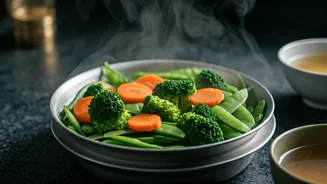
There’s a certain magic to steamed food, especially when the weather turns gloomy. Unlike their fried counterparts that can sometimes feel heavy, steamed snacks are light, wholesome, and deeply warming. The magic lies in the moisture. Steam cooks gently,
preserving the natural texture and flavour of the ingredients without adding extra oil. The result is food that feels both nourishing and indulgent. It’s the culinary equivalent of a warm hug—soft, comforting, and just what you need to watch the world get washed clean from your window. This gentle cooking method delivers clean, distinct flavours, making each bite a simple, satisfying pleasure.
The Mighty Momo
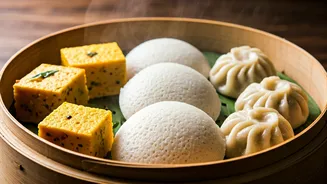
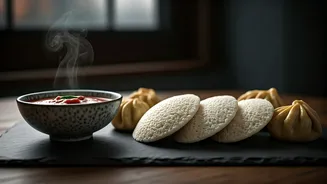
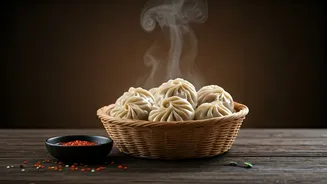
No list of rainy-day snacks is complete without the undisputed champion: the momo. These Tibetan-style dumplings have been wholeheartedly adopted across India, becoming a go-to street food staple. Whether filled with juicy minced chicken, finely chopped vegetables, or savoury paneer, each pleated parcel is a treasure. The real experience, however, is in the ritual. Peeling a hot momo from the steamer basket, dipping it into the fiery red chilli-garlic chutney, and taking that first bite as the steam escapes is a moment of pure bliss. It’s a snack that warms you from the inside out, making it the perfect companion for a cool, drizzly evening.
The Humble, Heavenly Idli
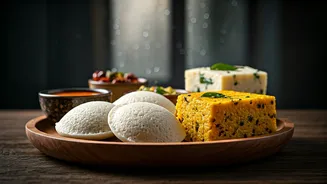
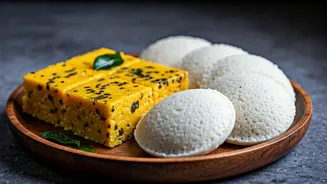
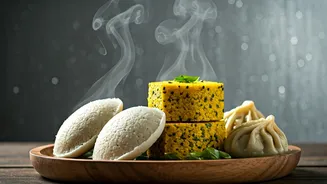
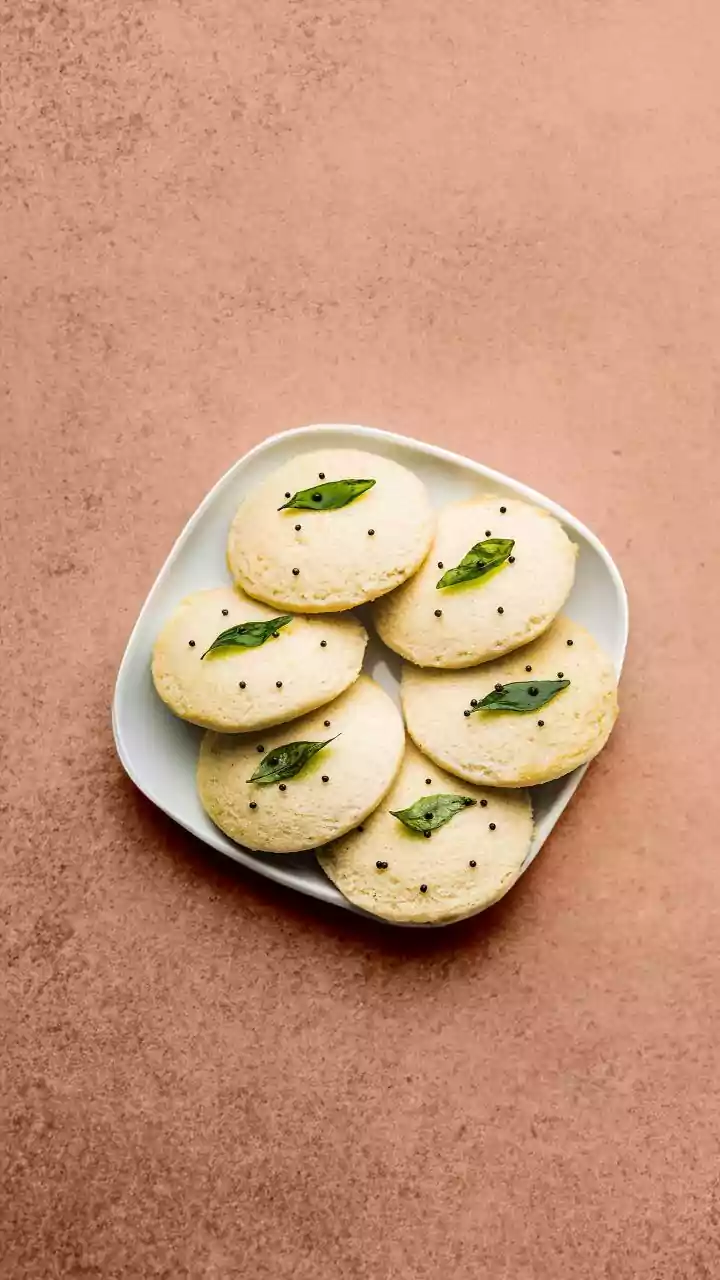
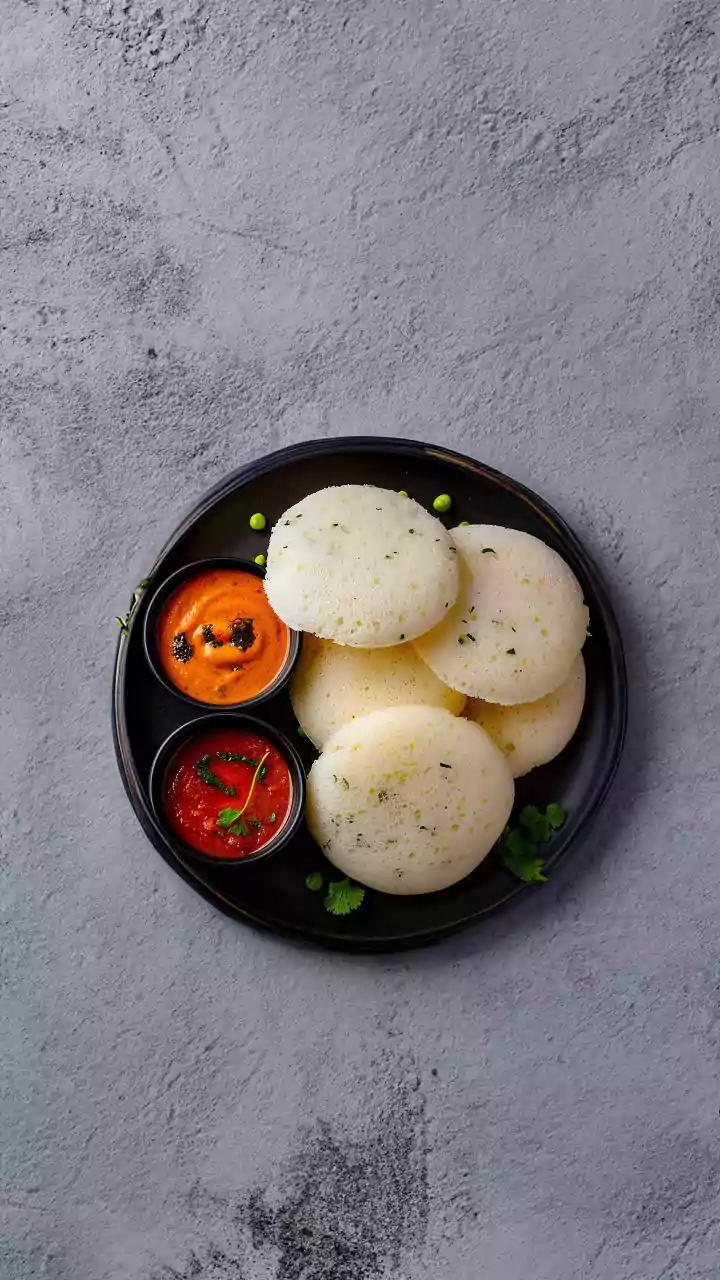
Often relegated to the breakfast table, the humble idli is a superstar of steamed comfort. These soft, fluffy, and pillowy rice cakes are a marvel of fermentation and steam. Made from a batter of rice and urad dal, they are incredibly light on the stomach yet immensely satisfying. While a classic pairing with sambar and coconut chutney is always a winner, idlis are wonderfully versatile. Dunk them in a spicy podi mixed with ghee or sesame oil, or enjoy a plate of mini idlis soaking in a warm bowl of rasam. Their porous texture is perfect for absorbing flavour, making every bite a comforting, savoury soak.
Gujarat's Gift: The Dhokla
Bright yellow and impossibly spongy, dhokla is a steamed savoury cake from Gujarat that brings a little sunshine to a cloudy day. Made from a fermented batter of gram flour (besan), it’s tangy, sweet, and savoury all at once. The magic is in the tempering, or ‘tadka,’ that’s poured over the top just before serving. A sizzling mix of mustard seeds, curry leaves, green chillies, and a touch of sugar water infuses the spongy cake with an explosion of flavour and moisture. Garnished with fresh coriander and grated coconut, it's a snack that is both light and complex, offering a delightful textural contrast with every bite.
The Leaf-Wrapped Wonder: Patra
Known as Patra in Gujarat and Patarveliya in Maharashtra, this snack is a true work of art. It involves carefully smearing a spiced gram flour paste onto colocasia (arbi) leaves, stacking them, rolling them into tight logs, and then steaming them to perfection. The steaming process melds the flavours of the spicy, tangy paste with the earthy taste of the leaves. Once steamed, the logs are sliced into pinwheels. They can be eaten as is for a soft, melt-in-your-mouth experience or lightly pan-fried for a crispy edge. It’s a testament to how simple ingredients can create something uniquely delicious and comforting.
Eastern India's Pitha Perfection
‘Pitha’ is less a single dish and more a universe of steamed (and sometimes fried or baked) delicacies from Eastern India, particularly Bengal, Odisha, and Assam. During monsoons, steamed versions like ‘bhapa pitha’ take centre stage. These are often made with rice flour and can have a sweet filling of coconut and jaggery or a savoury one with lentils. Steamed inside banana leaves or directly in a special vessel, they emerge as soft, aromatic cakes that capture the essence of regional home cooking. Each pitha tells a story of tradition and season, offering a taste of nostalgia and comfort.