


The Rise of Permissible Indulgence
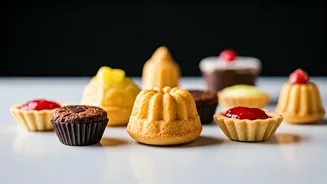
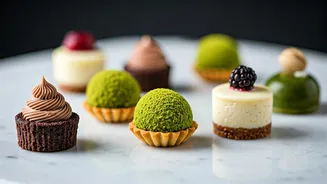
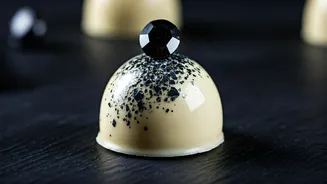
In bakeries and on social media feeds, a new wave of confectionary artistry is taking hold. Classic American desserts—gooey pecan pies, rich cheesecakes, decadent brownies—are being reborn in miniature. This isn't just about making things cute for Instagram,
though the visual appeal is undeniable. The trend taps directly into a modern consumer mindset that food experts call 'permissible indulgence.' After years of restrictive wellness fads that demonized sugar and carbs, many are seeking a more balanced approach. They want the nostalgic comfort of a traditional dessert without the subsequent guilt or sugar crash. A two-bite brownie or a single, perfect mini crème brûlée offers the full flavor experience, satisfying a craving without derailing personal health goals. It’s a sweet spot between total deprivation and over-the-top decadence, and it’s resonating with people who are tired of being told they can't have nice things.
From Tiny Tarts to Petite Pies
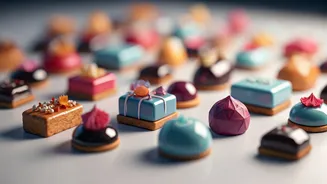
This isn't limited to a single type of treat; the miniaturization movement is sweeping across the entire dessert landscape. Think of bakeries offering flights of mini cupcakes instead of one large one, allowing for a variety of flavors. You'll find tiny tarts filled with lemon meringue or chocolate ganache, bite-sized versions of key lime pie, and miniature cinnamon rolls that you can pop in your mouth. Even international classics are getting the treatment, with single-serving baklava, individual mochi ice cream, and petite French éclairs becoming staples. This evolution serves a dual purpose for businesses: it allows for creative sampling menus and caters to the solo diner or the couple who wants to share a few different tastes. For the consumer, it transforms dessert from a heavy, sit-down commitment into a light, spontaneous pleasure.
The Psychology of Portion Control
The headline benefit of this trend is, of course, portion control. The logic seems simple: a smaller treat means fewer calories. But does it work? According to nutritionists and behavioral psychologists, it can—if approached mindfully. A single, intensely flavored bite can signal to your brain that the craving has been met, providing satisfaction without the need to consume a large volume. The danger, however, lies in what’s known as the 'miniature effect.' Some studies suggest that when a food is perceived as small or 'guilt-free,' people may unconsciously grant themselves permission to eat more of it. One tiny brownie feels harmless, but if that turns into five tiny brownies, you may have consumed more than you would have with one regular-sized one. The key is to treat the miniature sweet with the same respect as its larger counterpart: savor it, enjoy it, and see it as a complete experience in itself, not just a guilt-free pass to eat in quantity.
A Treat, Not a Magic Trick
Ultimately, the appeal of single-bite sweets isn't that they are a diet hack. It’s that they reframe dessert as an act of pure enjoyment rather than a transaction of calories. They offer a moment of joy and a taste of luxury without the post-indulgence negotiation. For home bakers, it's a fun new challenge—mastering the technique of creating perfectly formed miniature versions of family recipes. For consumers, it’s an invitation to be more intentional with their treats. By focusing on quality over quantity, flavor over volume, the single-bite trend encourages a healthier and more pleasurable relationship with the foods we love. It’s a reminder that sometimes, the most satisfying experiences come in the smallest packages.