




Your Body’s Internal Clock
Every living thing, from plants to people, operates on an internal 24-hour cycle known as the circadian rhythm. Think of it as a master clock in your brain that orchestrates various bodily functions, including your sleep-wake cycle. This internal timer
is primarily governed by one powerful external cue: light. For millennia, the rising and setting of the sun was the only signal our bodies needed. Bright daylight told our brains to be alert, while darkness signalled it was time to wind down.
The Problem with Modern Lighting
In today's world, we are no longer bound by the sun. We spend more time indoors with less natural light during the day and expose ourselves to bright artificial light long after sunset. This constant illumination, especially from energy-efficient LEDs and digital screens, can confuse our internal clocks. The main culprit is blue light. While present in sunlight to help keep us alert, excessive exposure to it in the evening from phones, tablets, and bright overhead lights tricks our brain into thinking it's still daytime.
How Light Disrupts the 'Sleep Hormone'
As darkness falls, your brain is supposed to produce a hormone called melatonin, which plays a critical role in making you feel sleepy. However, exposure to light at night—particularly blue light—is a potent suppressor of melatonin production. Studies have shown that blue light can suppress melatonin for about twice as long as green light and can shift our internal clocks significantly, making it harder to fall asleep. This disruption not only delays the onset of sleep but can also reduce the amount of deep, restorative sleep you get throughout the night.
Actionable Step 1: Dim the Lights
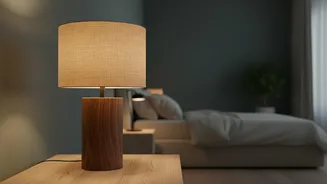
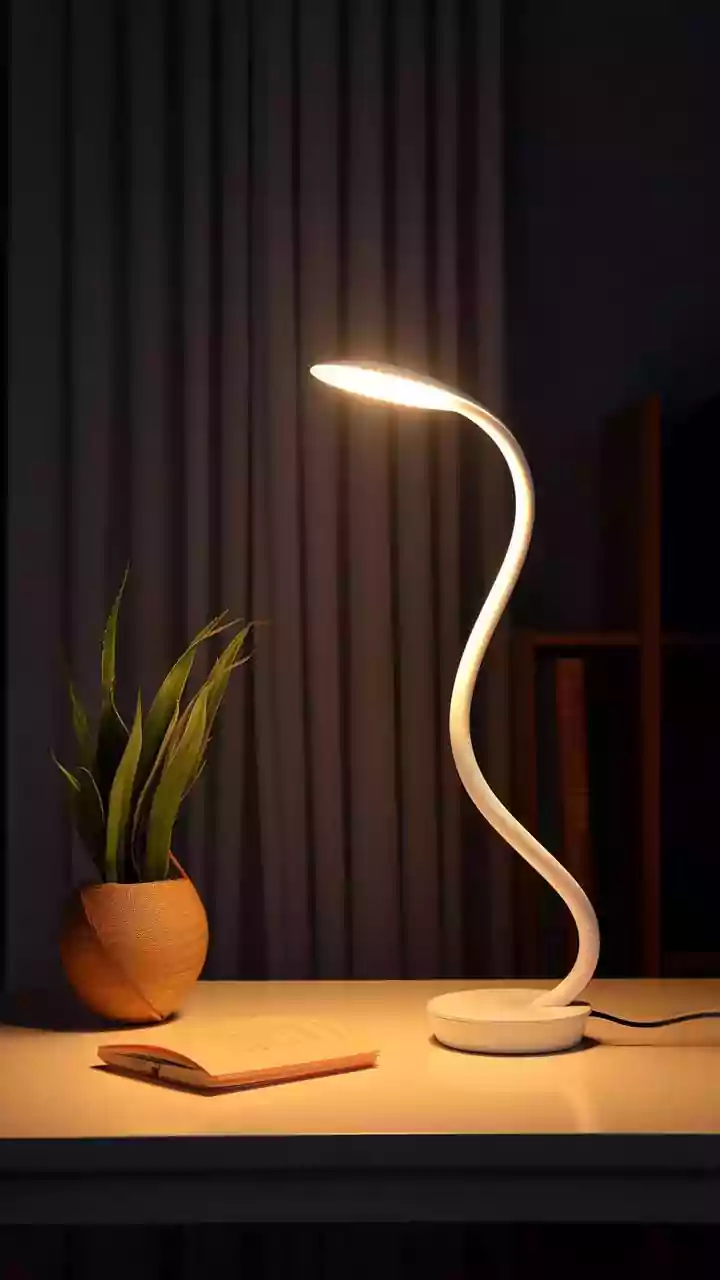
The simplest and most effective change you can make is to mimic a natural sunset indoors. About one to two hours before your intended bedtime, start dimming your lights. Avoid using bright, harsh overhead lighting. Instead, rely on softer, indirect sources like table lamps. This gradual reduction in brightness sends a powerful signal to your brain that the day is ending, allowing melatonin production to begin naturally and helping you transition smoothly towards rest.
Actionable Step 2: Switch to Warmer Tones
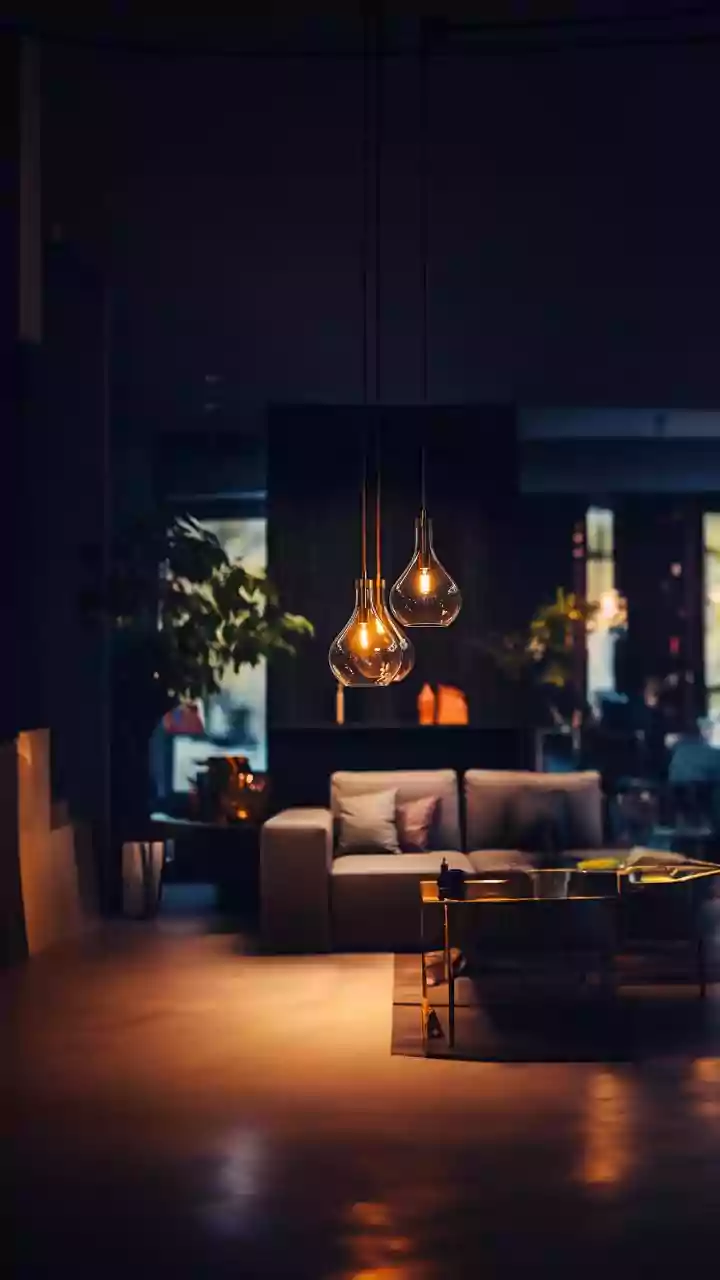
Beyond brightness, the colour of your light matters immensely. Cool-toned lights (with a bluish or bright white hue) are stimulating, while warm-toned lights are calming. For evening use, opt for bulbs that emit a warm, reddish, or amber glow. Red light is widely considered the best colour for sleep as it has the least impact on your circadian rhythm and melatonin levels. When shopping for bulbs, look for a low colour temperature, ideally between 2200K and 2700K, to create a relaxing, sleep-friendly atmosphere in your living spaces.
Actionable Step 3: Manage Your Screens
Your smartphone and laptop are significant sources of disruptive blue light. The best practice is to avoid screens for at least an hour or two before bed. If that's not realistic, take steps to mitigate the effects. Use your device's 'night mode' or 'dark mode' feature, which shifts the screen's colour palette to warmer tones. You can also consider using blue-light-blocking glasses in the evening; studies suggest they can help preserve melatonin production and improve sleep quality.