



1. The Ultimate Favourite: Makkhan Misri
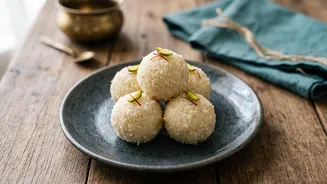
No Janmashtami bhog is complete without Makkhan Misri. Lord Krishna's childhood tales are filled with his love for fresh white butter, earning him the name 'Makhanchor' or butter thief. This simple offering of unsalted butter mixed with rock sugar (mishri)
symbolises purity and sweetness. It is considered one of the most important and auspicious offerings, believed to bring happiness and blessings. To prepare it, take fresh, unsalted white butter at room temperature and gently mix in crushed mishri. For an added touch, you can include a few saffron strands. Always offer it fresh.
2. The Prasad Essential: Dhaniya Panjiri
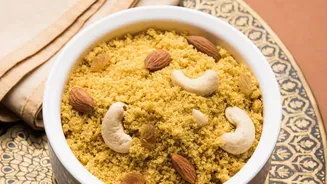
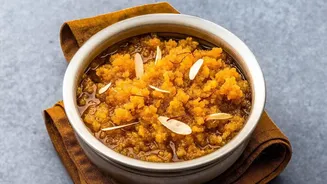
Dhaniya Panjiri is a unique and traditional prasad made especially for Janmashtami, often used to break the fast. Unlike regular panjiri made with wheat flour, this gluten-free version uses roasted coriander seed powder, making it suitable for those fasting from grains. To make it, dry roast coriander seeds until aromatic, let them cool, and grind them into a coarse powder. Heat ghee in a pan and lightly roast chopped nuts like almonds and cashews. Add the coriander powder and roast for another minute before turning off the heat. Once slightly cooled, mix in powdered sugar, grated coconut, and cardamom powder.
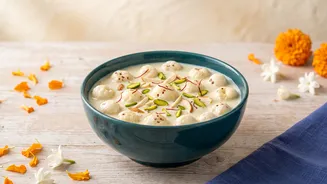
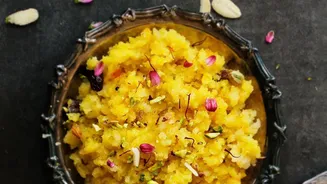
3. The Creamy Classic: Makhana Kheer
A sweet, creamy pudding is a festive staple, and Makhana Kheer (fox nut pudding) is a perfect choice for Janmashtami bhog. Makhana is a light and nutritious ingredient often used in fasting recipes. To make this delightful kheer, start by roasting one cup of makhana in ghee until they are crisp. Lightly crush about two-thirds of them for a thicker consistency, leaving the rest whole for texture. In a separate pot, bring full-fat milk to a boil. Add the crushed and whole makhana and simmer until they soften and the milk thickens. Finally, stir in sugar, cardamom powder, and chopped nuts like almonds and pistachios.
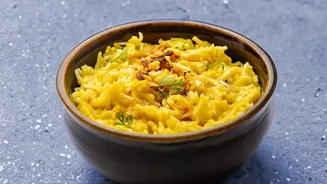
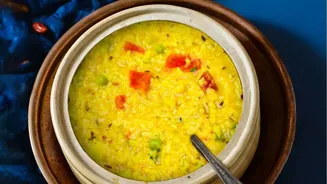
4. A Savoury Delight: Sabudana Khichdi
For those observing a fast (vrat), Sabudana Khichdi is a popular and satisfying savoury dish. Made from tapioca pearls, it provides energy and is a common meal during Hindu festivals. To prepare, rinse the sabudana and soak it for several hours until soft. Heat ghee in a pan and temper with cumin seeds and chopped green chillies. Add roasted peanuts and cubed, boiled potatoes, sautéing for a few minutes. Finally, add the drained sabudana and cook, stirring gently until the pearls become translucent. Season with rock salt (sendha namak) to complete this simple and delicious vrat-friendly dish.
5. The Playful Mix: Gopalkala
Gopalkala is a refreshing, no-cook dish from Maharashtra that is deeply connected to Krishna's childhood. The name refers to the story of Krishna mixing his lunch with that of his cowherd friends (Gopalas). The dish symbolises community and togetherness. It is a savoury mix made with beaten rice (poha), yoghurt, cucumber, fresh coconut, and simple spices. To make it, lightly wash and drain poha. In a bowl, combine it with yoghurt, finely chopped cucumber, grated coconut, and pomegranate seeds. A tempering of ghee, cumin seeds, and green chillies is then poured over the mixture. It is a light, flavourful, and symbolic offering.
6. The Holy Elixir: Panchamrit
Panchamrit, meaning 'five nectars', is a sacred concoction used in Hindu rituals and is an essential part of the Janmashtami puja. It is used for the ceremonial bathing of the infant Krishna idol (Abhishek) and then distributed as prasad. This holy mixture is made from five pure ingredients: raw milk, curd (yoghurt), honey, ghee, and sugar. Preparing it is simple: just combine all five ingredients in a clean bowl and stir gently. A few Tulsi leaves are often added before offering it to the deity. The resulting elixir is considered spiritually nourishing.