

The Science of Slow, Even Heat
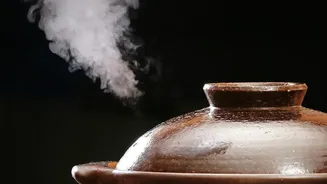
Unlike metal pans that heat up quickly and can create hotspots, clay is a natural insulator. It heats up slowly and distributes that warmth gently and evenly. This slow-cooking process is the key to its success. Food cooks uniformly without the aggressive
heat that can lead to burning or uneven textures. The porous nature of unglazed clay also plays a crucial role; it allows for the circulation of steam, creating a moist cooking environment that bastes food in its own juices. This means you can often use less oil, making meals naturally lighter and healthier.
Locking in Vital Nutrients
The gentle, low-temperature cooking process does more than just ensure tenderness; it helps preserve the nutritional integrity of your food. High heat can degrade sensitive vitamins and minerals found in vegetables and other ingredients. By maintaining a stable, moist environment, clay pot cooking helps retain water-soluble nutrients that might otherwise be lost through rapid boiling or high-heat frying. Furthermore, because clay is naturally alkaline, it can help neutralize the pH of acidic foods like tomatoes, making them easier to digest and imparting a subtle, natural sweetness. Some proponents even suggest that natural, unadulterated clay can impart trace minerals like calcium, iron, and magnesium into the food as it cooks.
Unlocking Deeper, Richer Flavours
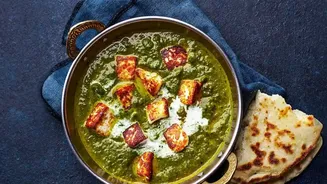
Anyone who has tasted a dal or biryani made in a traditional handi knows the difference in flavour. This isn't just imagination. The slow release of aromatic compounds from spices and vegetables results in a more complex and layered taste profile. The porous clay walls absorb and then release aromas, infusing the dish with a subtle, earthy fragrance that metal pots cannot replicate. Because moisture is circulated rather than rapidly evaporated, sauces and gravies thicken naturally, concentrating their flavour without needing extra fats or thickeners. Over time, an unglazed clay pot even becomes seasoned by the dishes cooked within it, carrying a literal history of flavours that adds depth to future meals.
An Eco-Conscious Choice for the Kitchen
In an era of disposable goods and concern over synthetic coatings on non-stick pans, earthenware offers a sustainable alternative. Made from 100% natural materials, clay pots are biodegradable and free from chemicals like PTFE found in some non-stick cookware, which can release fumes at high temperatures. They are durable and, with proper care, can last for years, reducing kitchen waste. Clay's excellent heat retention also means that food stays warm long after it's removed from the heat source, and some cooking processes can be completed on lower heat, potentially saving energy.
Getting Started with Your First Clay Pot
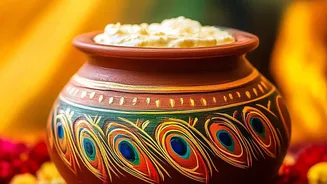
Using a clay pot requires a little bit of care, but the process is simple. Before its first use, an unglazed pot needs to be seasoned. A common method involves soaking the pot and its lid in water for several hours, or even overnight. After soaking, it's often recommended to cook a starchy liquid, like rice water or a flour-and-water mixture, inside the pot to help seal the pores. The most critical rule is to avoid thermal shock: never place a cold clay pot in a pre-heated oven or on a hot stove, and never place a hot pot on a cold surface. Always start with a low heat and increase it gradually. For cleaning, avoid harsh soaps, which can be absorbed by the porous clay; instead, use hot water and a soft brush.