



The Science of a Stable Dressing
The core challenge of any vinaigrette is that oil and vinegar, its main components, do not naturally mix. This is where the science of emulsification comes in. An emulsion is a mixture of two liquids that are normally immiscible, like oil and water (vinegar
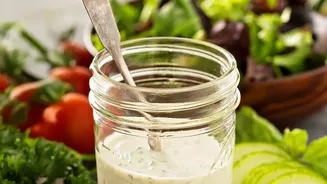
is mostly water). The goal is to break the oil into microscopic droplets and suspend them evenly throughout the vinegar. Shaking or whisking provides the force needed to create this suspension, but to keep it from quickly separating, you need a helper: an emulsifying agent. This agent acts as a bridge, with one end attracting water and the other attracting oil, creating a stable, thicker, and homogenous mixture that will coat your salad greens beautifully.
Master the Golden Ratio
A classic vinaigrette often starts with a ratio of three parts oil to one part acid, like vinegar or citrus juice. This is a great starting point, but don't be afraid to adjust it. If your dressing is too thin, you might have too much acid in proportion to your oil. For a thicker result, you can lean closer to a 2:1 or even a 3:1 oil-to-acid ratio. The type of oil also matters. While extra virgin olive oil is a classic, its strong flavor can sometimes dominate. Lighter oils like grapeseed or avocado can provide a more neutral base. Remember that the goal is balance; the right ratio ensures that the dressing is flavorful without being overly sharp or greasy.
Choose Your Secret Weapon: Emulsifiers
The most crucial ingredient for a stable, clingy dressing is an emulsifier. Dijon mustard is the most common and effective choice for this role. The proteins and other compounds in mustard are excellent at holding oil and water molecules together. You only need a small amount, about a teaspoon per cup of dressing, to work its magic. Other powerful emulsifiers include egg yolks (the key to mayonnaise and Caesar dressing), honey, maple syrup, miso paste, and even finely mashed garlic paste. These ingredients not only help bind the dressing but also add their own unique layers of flavor and complexity.
Add Body with Natural Thickeners
Beyond emulsifiers, some ingredients can add physical thickness and body to your dressing. Creamy elements like Greek yogurt, sour cream, or buttermilk are excellent for creating richer, less traditional vinaigrettes. Pureed avocado can make a wonderfully thick and luscious dressing. For a nutty, savory depth and thickness, a spoonful of tahini works wonders. Even fruit purees can add both body and a touch of sweetness. For a more modern approach, a very small pinch of xanthan gum, a common food thickener, can be blended in to create a silky, stable texture without altering the flavor, though it should be used sparingly to avoid a slimy consistency.
Technique Is Everything
How you combine your ingredients is just as important as what's in them. Simply shaking everything in a jar is a quick method, but it doesn't create the most stable emulsion. For the best results, use the slow-stream technique. Start by whisking your acid (vinegar) and your emulsifier (like mustard or honey) together in a bowl. Then, while whisking constantly and vigorously, slowly drizzle the oil into the mixture in a very thin, steady stream. This allows the oil to break into tiny droplets and be fully incorporated, creating a thicker, more luxurious dressing that is less likely to separate. An immersion blender or food processor can also do this job effectively, especially for larger batches.
Final Touches for Perfect Cling
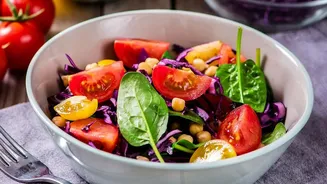
Even with a perfect dressing, one final step is crucial: your greens must be completely dry. Any water clinging to the lettuce will prevent the oil-based dressing from adhering, causing it to slide right off. Use a salad spinner or gently pat the leaves dry with a clean towel. When you are ready to serve, don't drown the salad. Add a small amount of dressing at first, toss gently to coat, and then add more only if needed. A great trick is to put the dressing in the bottom of the bowl, place the greens on top, and only toss everything together at the last moment to prevent wilting.